
Hey there! As a supplier of spherical rollers, I've been getting a lot of questions lately about what types of seals are suitable for these bad boys. So, I thought I'd sit down and write a little something to share my thoughts and experiences on the matter.
First off, let's talk about why seals are so important for spherical rollers. Spherical rollers are designed to handle heavy loads and high speeds, and they do this by using a series of rolling elements that move within a housing. However, these rolling elements need to be protected from dirt, debris, and moisture, which can cause premature wear and damage. That's where seals come in. Seals are used to keep contaminants out of the roller housing, ensuring that the rolling elements can operate smoothly and efficiently.
Now, let's take a look at some of the different types of seals that are suitable for spherical rollers.
1. Contact Seals
Contact seals are the most common type of seal used with spherical rollers. These seals work by making direct contact with the roller housing, creating a barrier that prevents contaminants from entering. Contact seals are typically made from rubber or elastomer materials, which provide a good seal and are resistant to wear and tear.
One of the main advantages of contact seals is that they provide a very effective seal, even in harsh environments. They can prevent dirt, dust, and moisture from entering the roller housing, which helps to extend the life of the roller. However, contact seals can also create friction, which can cause the roller to heat up and reduce its efficiency. This is why it's important to choose the right type of contact seal for your application.
2. Non - Contact Seals
Non - contact seals, as the name suggests, do not make direct contact with the roller housing. Instead, they use a gap or labyrinth design to prevent contaminants from entering. Non - contact seals are typically made from metal or plastic materials, and they can be very effective at keeping out dirt and debris.
The main advantage of non - contact seals is that they create very little friction, which means that they don't cause the roller to heat up as much as contact seals. This can improve the efficiency of the roller and reduce energy consumption. However, non - contact seals may not be as effective as contact seals in preventing the entry of very fine particles or moisture.
3. Lip Seals
Lip seals are a type of contact seal that has a flexible lip that makes contact with the roller housing. These seals are very common in spherical roller applications because they are relatively inexpensive and easy to install. Lip seals can be made from a variety of materials, including nitrile rubber, fluorocarbon rubber, and silicone rubber.
Lip seals are very effective at preventing the entry of dirt and dust, but they may not be as effective at preventing the entry of moisture. They also have a limited lifespan, and they may need to be replaced periodically to maintain their effectiveness.
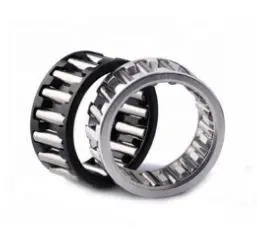
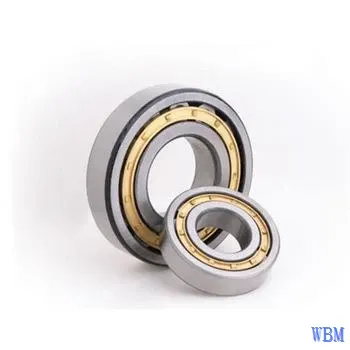
4. Labyrinth Seals
Labyrinth seals are a type of non - contact seal that uses a series of channels or grooves to create a tortuous path for contaminants. These seals are very effective at preventing the entry of dirt and debris, and they can also provide some protection against moisture.
Labyrinth seals are typically made from metal or plastic materials, and they can be very durable. However, they can be more expensive than other types of seals, and they may require more precise installation to ensure their effectiveness.
5. Combination Seals
Combination seals are seals that combine the features of contact and non - contact seals. These seals typically have a lip seal on the outside to provide a good seal against dirt and dust, and a labyrinth seal on the inside to provide additional protection against moisture and fine particles.
Combination seals can be very effective in harsh environments, but they are also more expensive than other types of seals. They may also be more difficult to install, so it's important to make sure that you have the right tools and expertise to install them correctly.
So, how do you choose the right type of seal for your spherical roller application? Well, it really depends on a few factors, such as the operating environment, the load and speed of the roller, and the level of protection that you need.
If you're operating in a very dirty or dusty environment, then a contact seal or a combination seal may be the best choice. These seals can provide a very effective barrier against dirt and debris, which can help to extend the life of the roller.
If you're operating in an environment where moisture is a concern, then a labyrinth seal or a combination seal may be the best choice. These seals can provide some protection against moisture, which can help to prevent corrosion and damage to the roller.
If you're looking for a seal that is inexpensive and easy to install, then a lip seal may be the best choice. These seals are very common in spherical roller applications, and they can provide a good seal against dirt and dust.
When it comes to choosing the right seal for your spherical roller, it's also important to consider the quality of the seal. You want to choose a seal that is made from high - quality materials and that is designed to last. A cheap or low - quality seal may not provide the level of protection that you need, and it may need to be replaced more frequently.
As a spherical roller supplier, I've seen firsthand the importance of choosing the right seal for your application. I've worked with many customers to help them select the best seal for their needs, and I've seen how the right seal can make a big difference in the performance and lifespan of the roller.
If you're in the market for spherical rollers and need some advice on which seals are suitable for your application, don't hesitate to reach out. We're here to help you make the right choice and ensure that your spherical rollers perform at their best.
Now, let's talk a bit about other types of rollers for a moment. There are Cylindrical Roller and Needle Roller which also have their own unique requirements when it comes to seals. Cylindrical rollers, for example, are often used in applications where high radial loads need to be supported. You can find more information about them here: Cylindrical Roller.
Whether you're a small business or a large industrial operation, we can provide you with the high - quality spherical rollers and the right seals to meet your needs. Our team of experts is always available to answer your questions and provide you with the support that you need.
So, if you're interested in learning more about our spherical rollers and the seals that are suitable for them, or if you're ready to place an order, just get in touch. We're looking forward to working with you and helping you get the most out of your spherical roller applications.
References
- "Rolling Bearing Technology" by SKF Group
- "Handbook of Sealing Technology" by CRC Press