
Building stairs is a complex yet rewarding project that requires a variety of tools to ensure precision, safety, and efficiency. As a tools supplier, I've seen firsthand the importance of having the right equipment at your disposal. In this blog, I'll walk you through the essential tools used in stair building, from the initial measurements to the final touches.
Measuring Tools
Accurate measurements are the foundation of any successful stair building project. Without them, your stairs may end up uneven, unstable, or not meeting building codes. Here are some of the most important measuring tools:
- Tape Measure: A must-have for any construction project, a tape measure allows you to measure the length, width, and height of your stairs. Look for a tape measure with a long reach and a locking mechanism to ensure accurate readings.
- Level: A level is used to ensure that your stairs are perfectly horizontal and vertical. This is crucial for both safety and aesthetics. There are different types of levels available, including bubble levels and laser levels. Laser levels are more precise and easier to use, especially for larger projects.
- Square: A square is used to ensure that your cuts are straight and your angles are accurate. There are different types of squares available, including framing squares and combination squares. Framing squares are larger and used for measuring and marking large pieces of wood, while combination squares are smaller and more versatile.
Cutting Tools
Once you have your measurements, it's time to start cutting your materials. Here are some of the most important cutting tools used in stair building:
- Circular Saw: A circular saw is a versatile tool that can be used to cut a variety of materials, including wood, plywood, and metal. It's important to choose a circular saw with the right blade for the material you're cutting. For example, a fine-tooth blade is best for cutting wood, while a carbide-tipped blade is best for cutting metal.
- Jigsaw: A jigsaw is a handheld saw that can be used to make curved cuts and intricate shapes. It's a great tool for cutting out the treads and risers of your stairs. Look for a jigsaw with a variable speed control and a dust collection system to keep your work area clean.
- Miter Saw: A miter saw is a stationary saw that can be used to make precise angled cuts. It's a great tool for cutting the stringers of your stairs, which are the long, sloping boards that support the treads and risers. Look for a miter saw with a large cutting capacity and a laser guide to ensure accurate cuts.
Fastening Tools
Once you have your materials cut, it's time to start fastening them together. Here are some of the most important fastening tools used in stair building:
- Hammer: A hammer is a basic tool that can be used to drive nails into wood. It's important to choose a hammer with the right weight and size for the job. For example, a framing hammer is larger and heavier and used for driving large nails into framing lumber, while a finishing hammer is smaller and lighter and used for driving small nails into finish wood.
- Nail Gun: A nail gun is a power tool that can be used to drive nails into wood quickly and easily. It's a great tool for fastening the treads and risers of your stairs. There are different types of nail guns available, including framing nail guns and finish nail guns. Framing nail guns are larger and used for driving large nails into framing lumber, while finish nail guns are smaller and used for driving small nails into finish wood.
- Screwdriver: A screwdriver is a basic tool that can be used to drive screws into wood, metal, and plastic. It's important to choose a screwdriver with the right size and type of tip for the screw you're using. For example, a Phillips head screwdriver is used for driving Phillips head screws, while a flat head screwdriver is used for driving flat head screws.
Other Tools
In addition to the measuring, cutting, and fastening tools, there are some other tools that are useful in stair building:
- Chisel: A chisel is a hand tool that can be used to cut and shape wood. It's a great tool for making mortises and tenons, which are joints used to connect two pieces of wood together. Look for a chisel with a sharp blade and a comfortable handle.
- Router: A router is a power tool that can be used to cut and shape wood, plastic, and metal. It's a great tool for adding decorative edges and profiles to your stairs. Look for a router with a variable speed control and a dust collection system to keep your work area clean.
- Sandpaper: Sandpaper is a basic tool that can be used to smooth and finish wood. It's important to choose the right grit of sandpaper for the job. For example, a coarse grit sandpaper is used for removing rough spots and imperfections, while a fine grit sandpaper is used for finishing and polishing the wood.
Specialized Tools
Depending on the type of stairs you're building, you may need some specialized tools. Here are some examples:
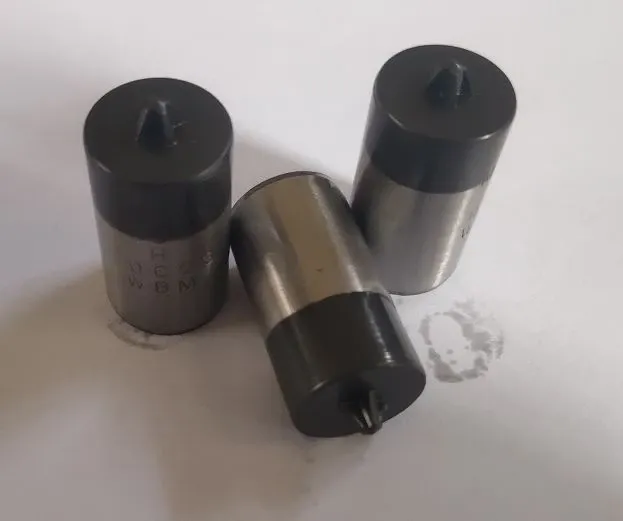
- Heading dies,Punch: These are used in metal stair building for forming and shaping metal components. They are essential for creating precise and consistent shapes in metal parts.
- Wire Draw Dies: If your stair project involves using wires or cables, these dies are used to reduce the diameter of the wire to the desired size, ensuring a proper fit and strength.
- Main Die: In more complex stair building, especially those involving custom metal or plastic components, the main die is used to create the primary shape of the part.
Conclusion
Building stairs is a challenging but rewarding project that requires a variety of tools. As a tools supplier, I understand the importance of having the right equipment for the job. Whether you're a professional contractor or a DIY enthusiast, having the right tools can make all the difference in the quality and safety of your stairs.

If you're planning a stair building project and need help choosing the right tools, don't hesitate to reach out. We're here to assist you in finding the best tools for your specific needs. Contact us today to start the conversation about your tool requirements and let's get your stair building project off to a great start.
References
- "Stair Building Basics" by Fine Homebuilding
- "The Complete Guide to Building Stairs" by Black & Decker