
In industrial settings, spherical rollers play a crucial role in various machinery and equipment. However, when operating in a dusty environment, these components are highly susceptible to damage, which can lead to reduced performance, increased maintenance costs, and even unexpected downtime. As a reputable spherical roller supplier, I understand the challenges that businesses face in such conditions. In this blog, I will discuss several effective measures that can be taken to protect spherical rollers in a dusty environment.
Understanding the Impact of Dust on Spherical Rollers
Dust can have a detrimental effect on spherical rollers in multiple ways. Firstly, abrasive particles in the dust can cause wear on the roller surfaces, leading to a decrease in their precision and smooth operation. Over time, this wear can result in increased friction, heat generation, and ultimately, premature failure of the rollers. Secondly, dust can contaminate the lubricant used in the roller bearings. When dust particles mix with the lubricant, they can form abrasive sludge, which further accelerates wear and reduces the lubricant's effectiveness. Additionally, dust can clog the seals and vents of the bearing housing, preventing proper lubrication and ventilation, and causing overheating and damage to the rollers.
Sealing Solutions
One of the most effective ways to protect spherical rollers from dust is to use proper sealing solutions. Seals act as a barrier between the rollers and the external environment, preventing dust particles from entering the bearing housing. There are several types of seals available, each with its own advantages and disadvantages.
- Contact Seals: Contact seals are designed to make direct contact with the rotating shaft or the bearing housing. They provide a high level of protection against dust and other contaminants but can also generate more friction and heat, which may reduce the efficiency of the rollers. Contact seals are typically made of rubber or synthetic materials and are available in various designs, such as lip seals and radial shaft seals.
- Non-Contact Seals: Non-contact seals, on the other hand, do not make direct contact with the rotating parts. They rely on a small gap or labyrinth design to prevent dust from entering the bearing housing. Non-contact seals generate less friction and heat compared to contact seals, but they may not provide as high a level of protection against fine dust particles. Examples of non-contact seals include labyrinth seals and magnetic seals.
When selecting a seal for spherical rollers in a dusty environment, it is important to consider factors such as the type and size of the dust particles, the operating temperature and speed of the rollers, and the level of protection required. In some cases, a combination of contact and non-contact seals may be used to provide optimal protection.
Lubrication Management
Proper lubrication is essential for the smooth operation and longevity of spherical rollers, especially in a dusty environment. Lubricants not only reduce friction and wear but also help to flush out dust particles and prevent them from accumulating in the bearing housing.
- Selecting the Right Lubricant: When choosing a lubricant for spherical rollers in a dusty environment, it is important to select a product that has good anti-wear and anti-corrosion properties, as well as high resistance to dust contamination. Greases are commonly used for lubricating spherical rollers, as they can provide long-lasting protection and are less likely to leak compared to oils. However, the type of grease used should be compatible with the operating conditions of the rollers, such as the temperature, speed, and load.
- Regular Lubrication Maintenance: In addition to selecting the right lubricant, regular lubrication maintenance is also crucial. This includes monitoring the lubricant level and condition, as well as performing regular lubricant changes. Over time, lubricants can become contaminated with dust and other contaminants, which can reduce their effectiveness. By changing the lubricant at regular intervals, you can ensure that the rollers are always properly lubricated and protected.
Environmental Control
Another important measure to protect spherical rollers in a dusty environment is to control the surrounding environment. This can be achieved through various methods, such as using dust collectors, enclosures, and ventilation systems.
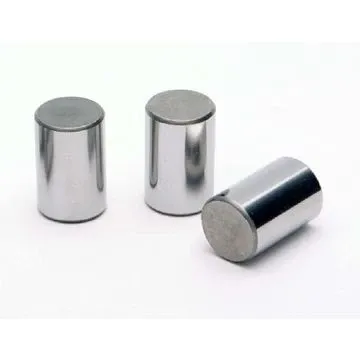
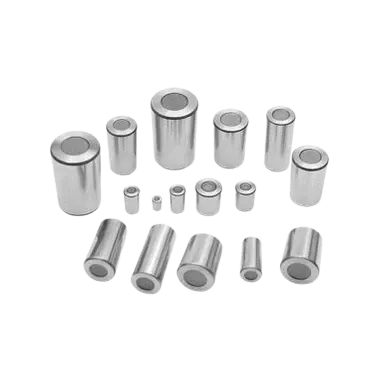
- Dust Collectors: Dust collectors are devices that are used to remove dust particles from the air. They work by drawing in the dusty air and passing it through a filter, which traps the dust particles. By installing dust collectors in the vicinity of the machinery that uses spherical rollers, you can significantly reduce the amount of dust in the air and minimize the risk of contamination.
- Enclosures: Enclosures are physical barriers that are used to separate the machinery from the surrounding environment. They can be made of various materials, such as metal, plastic, or glass, and can be designed to fit the specific requirements of the machinery. By enclosing the machinery that uses spherical rollers, you can prevent dust particles from entering the bearing housing and protect the rollers from damage.
- Ventilation Systems: Ventilation systems are used to circulate fresh air in the workplace and remove stale air and dust particles. By installing a proper ventilation system in the area where the machinery is located, you can maintain a clean and healthy working environment and reduce the risk of dust contamination.
Regular Inspection and Maintenance
Finally, regular inspection and maintenance are essential for ensuring the long-term performance and reliability of spherical rollers in a dusty environment. By conducting regular inspections, you can detect any signs of wear, damage, or contamination early on and take appropriate action to prevent further damage.
- Visual Inspections: Visual inspections involve examining the rollers and the bearing housing for any signs of wear, damage, or contamination. This can include checking for cracks, chips, or discoloration on the roller surfaces, as well as looking for signs of dust or debris in the bearing housing.
- Non-Destructive Testing: Non-destructive testing methods, such as ultrasonic testing and magnetic particle testing, can be used to detect internal defects or damage in the rollers that may not be visible during a visual inspection. These tests can help to identify potential problems early on and prevent them from developing into more serious issues.
- Preventive Maintenance: In addition to regular inspections, preventive maintenance is also important for ensuring the long-term performance and reliability of spherical rollers. This includes performing regular lubrication changes, replacing worn or damaged components, and following the manufacturer's recommended maintenance schedule.
Conclusion
In conclusion, protecting spherical rollers in a dusty environment requires a comprehensive approach that includes proper sealing solutions, lubrication management, environmental control, and regular inspection and maintenance. By implementing these measures, you can significantly reduce the risk of damage to the rollers and ensure their long-term performance and reliability. As a spherical roller supplier, I am committed to providing high-quality products and expert advice to help businesses overcome the challenges of operating in dusty environments. If you have any questions or need further information about protecting spherical rollers, please do not hesitate to contact me for a procurement discussion.
References
- Machinery's Handbook, 31st Edition
- Tribology Handbook, Second Edition
- Rolling Bearing Analysis, Fifth Edition