
Hey there! As a supplier of Spherical Rollers, I've seen firsthand the challenges these little guys face in corrosive environments. Corrosion can really mess with the performance and lifespan of spherical rollers, but don't worry - there are plenty of measures we can take to protect them. In this blog, I'm gonna share some of the best ways to keep your spherical rollers in tip - top shape, even when they're surrounded by corrosive elements.
Understanding the Problem
First things first, let's talk about why corrosion is such a big deal for spherical rollers. Corrosion occurs when the metal surface of the roller reacts with its environment, usually due to the presence of moisture, chemicals, or other corrosive agents. This reaction can cause pitting, rusting, and other forms of damage, which can lead to reduced performance, increased friction, and even premature failure of the roller.
In a corrosive environment, spherical rollers are particularly vulnerable because they have complex geometries and moving parts. The contact surfaces between the roller and the raceways are critical for smooth operation, and any corrosion on these surfaces can disrupt the rolling motion and cause uneven wear.
Material Selection
One of the most effective ways to protect spherical rollers in a corrosive environment is to choose the right materials. Stainless steel is a popular choice because it contains chromium, which forms a protective oxide layer on the surface of the metal. This oxide layer helps prevent further corrosion by acting as a barrier between the metal and the corrosive environment.
There are different grades of stainless steel available, and the choice depends on the specific requirements of your application. For example, austenitic stainless steels like 304 and 316 are commonly used in general - purpose applications due to their good corrosion resistance and mechanical properties. If you need even higher corrosion resistance, you might consider using duplex stainless steels or super - austenitic stainless steels.
Another option is to use ceramic materials. Ceramic spherical rollers offer excellent corrosion resistance, high hardness, and low density. They are also less prone to wear and can operate at higher temperatures compared to metal rollers. However, ceramic rollers can be more expensive and may require special handling and installation procedures.
Surface Treatments
In addition to choosing the right materials, surface treatments can also enhance the corrosion resistance of spherical rollers. One common surface treatment is plating. For example, nickel plating can provide a protective layer on the surface of the roller, which helps prevent corrosion. Zinc plating is another option, especially for applications where cost is a concern.
Coatings are also widely used to protect spherical rollers. There are various types of coatings available, such as epoxy coatings, polyurethane coatings, and PTFE (Teflon) coatings. Epoxy coatings offer good chemical resistance and adhesion, while polyurethane coatings provide excellent abrasion resistance. PTFE coatings are known for their low friction properties, which can reduce wear and improve the efficiency of the roller.
Another surface treatment method is nitriding. Nitriding is a heat - treatment process that introduces nitrogen into the surface of the metal, forming a hard and corrosion - resistant nitride layer. This layer can improve the wear resistance and corrosion resistance of the roller, making it suitable for use in harsh environments.
Sealing and Lubrication
Proper sealing is crucial for protecting spherical rollers in a corrosive environment. Seals can prevent corrosive agents, such as water, dust, and chemicals, from entering the bearing housing and coming into contact with the rollers. There are different types of seals available, including rubber seals, felt seals, and labyrinth seals.
Rubber seals are the most common type of seal used in spherical roller bearings. They are effective at preventing the ingress of contaminants and can provide a good seal even at high speeds. Felt seals are less expensive and can be used in applications where the level of contamination is relatively low. Labyrinth seals are designed to create a tortuous path for contaminants, which helps prevent them from reaching the rollers.
Lubrication also plays an important role in protecting spherical rollers. A good lubricant can provide a protective film on the surface of the roller, which helps prevent corrosion and reduces friction. There are different types of lubricants available, such as mineral oils, synthetic oils, and greases.
When choosing a lubricant, it's important to consider the operating conditions of the roller, such as temperature, speed, and load. For example, synthetic oils are often preferred in high - temperature applications because they have better thermal stability compared to mineral oils. Greases are a popular choice for many applications because they are easy to apply and can provide long - term lubrication.
Environmental Control
Controlling the environment around the spherical rollers can also help protect them from corrosion. For example, if possible, try to reduce the humidity in the operating environment. High humidity can accelerate the corrosion process, so using dehumidifiers or air - conditioning systems can help maintain a lower humidity level.
In addition, try to keep the area around the rollers clean and free of contaminants. Regularly clean the bearing housing and remove any dirt, dust, or debris that may have accumulated. If the rollers are exposed to chemicals, make sure to follow proper safety procedures and use appropriate protective equipment.
Regular Inspection and Maintenance
Regular inspection and maintenance are essential for ensuring the long - term performance of spherical rollers in a corrosive environment. Inspect the rollers regularly for signs of corrosion, wear, or damage. Look for pitting, rusting, or any changes in the surface finish of the roller.
If you notice any signs of corrosion or damage, take immediate action to address the problem. This may involve cleaning the rollers, applying a protective coating, or replacing the damaged rollers. Regularly check the seals and lubrication to make sure they are in good condition. Replace the seals if they are worn or damaged, and replenish the lubricant as needed.
Conclusion
Protecting spherical rollers in a corrosive environment requires a combination of material selection, surface treatments, sealing, lubrication, environmental control, and regular inspection and maintenance. By taking these measures, you can significantly extend the lifespan of your spherical rollers and ensure their reliable performance in harsh conditions.
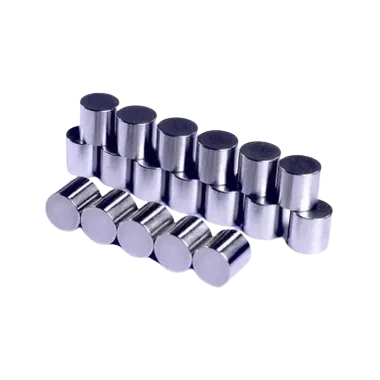
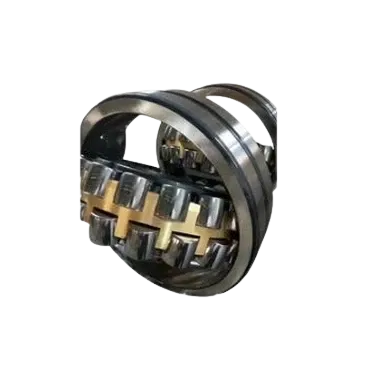
If you're in the market for high - quality Spherical Rollers, we've got you covered. We also offer Conical Rollers and Needle Rollers to meet a wide range of application needs. If you have any questions or are interested in purchasing our products, feel free to reach out and start a procurement discussion. We're here to help you find the best solutions for your specific requirements.
References
- Harris, T. A., & Kotzalas, M. N. (2007). Rolling Bearing Analysis. Wiley.
- Wang, Q., & Zhang, Z. (2018). Corrosion and Protection of Metals. Chemical Industry Press.
- Gupta, P. K. (2002). Handbook of Bearings. McGraw - Hill.