
Spherical rollers are essential components in various industrial applications, known for their ability to accommodate misalignment and high loads. As a leading spherical roller supplier, I often receive inquiries about the materials used to manufacture these rollers. In this blog post, I will delve into the different materials commonly used for spherical rollers, their properties, and the applications they are best suited for.
Bearing Steel
One of the most widely used materials for spherical rollers is bearing steel, specifically high - carbon chromium steel such as AISI 52100. This type of steel offers excellent hardness, wear resistance, and fatigue strength, which are crucial properties for bearings that operate under high - load and high - speed conditions.
The high carbon content in AISI 52100 provides the necessary hardness through heat treatment processes like quenching and tempering. Chromium, on the other hand, enhances the steel's corrosion resistance and improves its hardenability. These characteristics make bearing steel spherical rollers ideal for applications in automotive engines, machine tools, and industrial gearboxes.
For example, in automotive engines, spherical rollers made of bearing steel can withstand the high rotational speeds and heavy loads generated by the engine's moving parts. They ensure smooth operation and reduce friction, which in turn improves fuel efficiency and extends the lifespan of the engine components.
Stainless Steel
Stainless steel is another popular choice for spherical rollers, especially in applications where corrosion resistance is a primary concern. Austenitic stainless steels such as AISI 304 and AISI 316 are commonly used due to their excellent resistance to rust and oxidation.
AISI 304 stainless steel contains approximately 18% chromium and 8% nickel, which gives it good corrosion resistance in a wide range of environments. AISI 316, on the other hand, has a higher molybdenum content (around 2 - 3%), which further enhances its resistance to pitting and crevice corrosion in more aggressive environments, such as marine applications.
Spherical rollers made of stainless steel are often used in food processing equipment, medical devices, and outdoor machinery. In food processing, the corrosion - resistant properties of stainless steel ensure that the rollers do not contaminate the food products, while in medical devices, they provide a clean and hygienic solution for critical applications.
Ceramic Materials
Ceramic materials have gained significant attention in recent years for use in spherical rollers. Silicon nitride (Si₃N₄) is one of the most commonly used ceramic materials for this purpose. Ceramics offer several advantages over traditional metal materials.
Firstly, ceramics have a very high hardness, which means they can withstand higher loads and have better wear resistance. Secondly, they have a low density, which reduces the weight of the bearing assembly and can lead to energy savings in high - speed applications. Additionally, ceramics are electrically insulating and have excellent corrosion resistance, making them suitable for use in harsh environments.
Spherical rollers made of silicon nitride are often used in high - performance applications such as aerospace, high - speed spindles, and electric motors. In aerospace applications, the lightweight and high - strength properties of ceramic rollers can contribute to overall weight reduction of the aircraft, improving fuel efficiency and performance.
Comparison with Other Roller Types
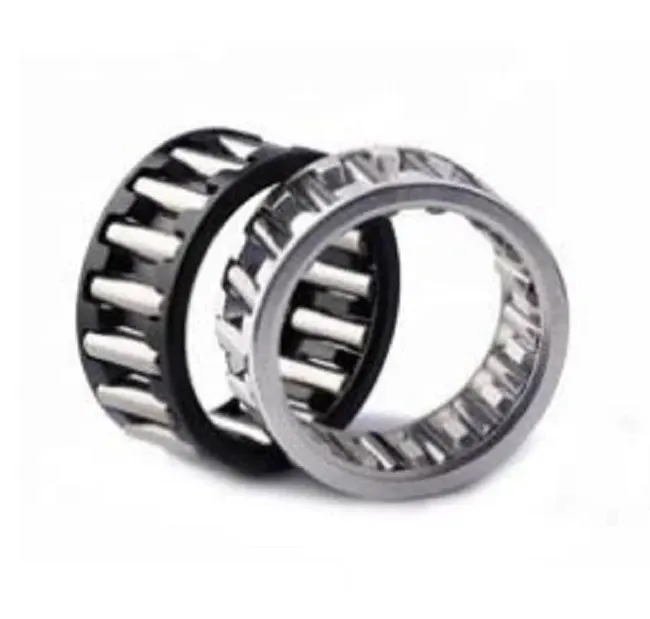
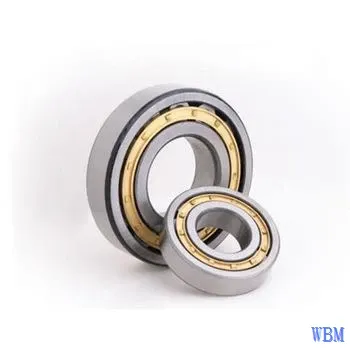
It's also interesting to compare spherical rollers with other types of rollers, such as Cylindrical Roller, Conical Rollers, and Needle Roller.
Cylindrical rollers are designed to handle high radial loads but have limited ability to accommodate misalignment. They are typically made of similar materials as spherical rollers, such as bearing steel and stainless steel, but their geometry makes them better suited for applications where pure radial loading is present, like in conveyor systems.
Conical rollers, on the other hand, can handle both radial and axial loads. They are often used in automotive transmissions and differential systems. The materials used for conical rollers are also selected based on the load - carrying requirements and the operating environment.
Needle rollers are very thin and long, which allows them to provide high load - carrying capacity in a compact space. They are commonly used in applications where space is limited, such as in the engine valve train of a motorcycle.
Applications and Material Selection
The choice of material for spherical rollers depends on several factors, including the load - carrying requirements, operating speed, temperature, and the environment in which the bearing will be used.
For high - load and high - speed applications, bearing steel is usually the first choice due to its excellent mechanical properties. In corrosive environments, stainless steel or ceramic materials are more appropriate. If weight reduction is a priority, ceramic materials offer a distinct advantage.
In applications where a combination of properties is required, a hybrid approach can be used. For example, a bearing may use a ceramic roller with a steel raceway to take advantage of the best properties of both materials.
Quality Control in Material Selection
As a spherical roller supplier, we place great emphasis on quality control in material selection. We source our materials from reputable suppliers and conduct strict quality inspections to ensure that the materials meet the required standards.
We perform various tests on the raw materials, including hardness testing, chemical analysis, and microstructure examination. These tests help us to verify the properties of the materials and ensure that they are suitable for the intended application.
During the manufacturing process, we also monitor the quality of the spherical rollers at every stage. This includes precision machining, heat treatment, and surface finishing. By maintaining strict quality control measures, we can ensure that our spherical rollers meet the highest standards of performance and reliability.
Contact for Procurement
If you are in the market for high - quality spherical rollers, we are here to assist you. Our team of experts can help you select the right material and design for your specific application. Whether you need a small quantity for a prototype or a large - scale production order, we have the capabilities to meet your requirements.
Contact us today to start a discussion about your spherical roller needs. We look forward to working with you to provide the best solutions for your industrial applications.
References
- "Bearing Design and Application Handbook" by SKF
- "Materials Science and Engineering: An Introduction" by William D. Callister Jr.
- Technical literature from various bearing and material manufacturers.