
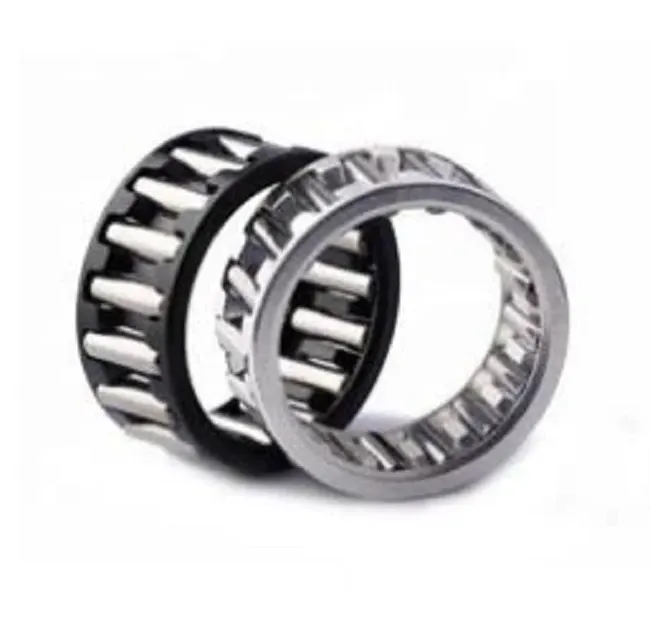
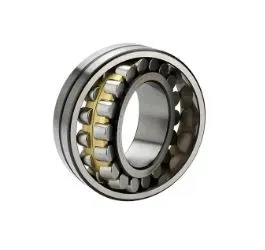
Cylindrical rollers are essential components in various mechanical systems, offering high load - carrying capacity and smooth operation. As a cylindrical roller supplier, I've witnessed firsthand the importance of understanding the materials used in their production. In this blog, we'll explore the common materials for cylindrical rollers, their properties, and applications.
Steel
Steel is perhaps the most widely used material for cylindrical rollers. There are different types of steel, each with its own unique characteristics.
Chrome Steel
Chrome steel, such as AISI 52100, is a popular choice. It contains approximately 1% carbon and 1.5% chromium. This composition gives it excellent hardness and wear resistance. The high carbon content allows for effective heat - treatment, enabling the roller to achieve a hard surface while maintaining a tough core. Chrome steel rollers can withstand high contact stresses, making them suitable for applications in automotive transmissions, machine tools, and industrial gearboxes.
The chromium in the steel forms a protective oxide layer on the surface, enhancing its corrosion resistance. This is crucial in environments where the rollers may be exposed to moisture or corrosive substances. For example, in marine applications, chrome steel cylindrical rollers can resist the corrosive effects of saltwater to a certain extent.
Stainless Steel
Stainless steel, like AISI 440C, is another option. It contains a significant amount of chromium (usually around 16 - 18%) and nickel, which provides excellent corrosion resistance. Stainless steel cylindrical rollers are ideal for applications in food processing, medical equipment, and chemical industries, where corrosion can cause significant problems.
In addition to its corrosion - resistant properties, stainless steel also has good mechanical strength. However, compared to chrome steel, it may have slightly lower hardness and wear resistance. But in applications where corrosion is the primary concern, the benefits of stainless steel outweigh these minor drawbacks.
Ceramic
Ceramic materials have gained increasing popularity in recent years for cylindrical roller production.
Silicon Nitride ($Si_3N_4$)
Silicon nitride is a high - performance ceramic material. It has a very high hardness, even higher than most steels. This hardness gives silicon nitride cylindrical rollers excellent wear resistance, allowing them to operate for long periods without significant wear.
Silicon nitride also has a low density, which is beneficial in high - speed applications. The lower mass reduces the centrifugal forces acting on the rollers, enabling the system to operate at higher speeds with less vibration. For example, in high - speed spindles of machine tools, silicon nitride cylindrical rollers can improve the overall performance and accuracy of the system.
Another advantage of silicon nitride is its high thermal stability. It can withstand high temperatures without significant loss of mechanical properties. This makes it suitable for applications in engines, where the rollers may be exposed to high - temperature environments.
Zirconia ($ZrO_2$)
Zirconia is another ceramic material used for cylindrical rollers. It has good toughness and fracture resistance compared to some other ceramics. Zirconia rollers can absorb more energy before fracturing, which is important in applications where the rollers may be subjected to impact loads.
Zirconia also has a relatively low coefficient of friction. This reduces the energy loss during operation, improving the efficiency of the mechanical system. In precision instruments and aerospace applications, the low - friction property of zirconia cylindrical rollers can contribute to better performance and longer service life.
Plastic
Plastic materials are also used in certain applications for cylindrical rollers.
Polyamide (Nylon)
Polyamide, commonly known as nylon, is a widely used plastic for cylindrical rollers. It has good self - lubricating properties, which means it can operate with little or no external lubrication. This is beneficial in applications where lubrication is difficult or where a clean environment is required, such as in office equipment or food - handling machinery.
Nylon is also lightweight and has good chemical resistance. It can resist the effects of many chemicals, making it suitable for use in chemical processing plants. However, compared to steel and ceramic, nylon has lower hardness and load - carrying capacity. So, it is typically used in low - load and low - speed applications.
Polyether Ether Ketone (PEEK)
PEEK is a high - performance engineering plastic. It has excellent mechanical properties, including high strength and stiffness. PEEK cylindrical rollers can withstand relatively high loads and operate at higher temperatures compared to nylon.
PEEK also has good chemical resistance and is resistant to hydrolysis. This makes it suitable for applications in harsh chemical environments and in applications where the rollers may be exposed to water or steam. In the oil and gas industry, PEEK cylindrical rollers can be used in downhole equipment due to their ability to withstand high - pressure and high - temperature conditions.
Applications and Material Selection
The choice of material for cylindrical rollers depends on the specific application requirements. For high - load and high - speed applications, such as in automotive engines and industrial machinery, steel (especially chrome steel) or ceramic (such as silicon nitride) is often the preferred choice. These materials can withstand the high stresses and temperatures associated with these applications.
In applications where corrosion is a major concern, such as in the food and chemical industries, stainless steel or plastic materials like PEEK are more suitable. For low - load and low - speed applications, where self - lubrication and light weight are important, plastic materials like nylon can be used.
As a cylindrical roller supplier, we offer a wide range of cylindrical rollers made from different materials to meet the diverse needs of our customers. Whether you need Needle Roller for a specific application, Gravity Taper Roller for a unique mechanical system, or Cross Roller for a precision instrument, we have the expertise and products to provide you with the best solution.
If you are in the market for high - quality cylindrical rollers, we invite you to contact us for a detailed discussion about your requirements. Our team of experts will work closely with you to understand your needs and recommend the most suitable materials and products. We are committed to providing you with the best - in - class cylindrical rollers that meet your performance and quality expectations.
References
- "Handbook of Bearing Design and Application" by John A. Black
- "Ceramics in Engineering Applications" by David W. Richerson
- "Plastics Engineering Handbook" by Charles A. Harper