
As a supplier of conical rollers, I've often been asked about the vibration levels during their operation. Understanding the vibration character of conical rollers is not only crucial for their efficient functionality but also for ensuring the longevity of the entire mechanical system they are a part of.
Factors Affecting Vibration Levels of Conical Rollers
When examining the vibration levels of conical rollers in operation, several factors come into play. First and foremost is the quality of manufacturing. Imperfections in the surface finish of the rollers, such as unevenness or roughness, can lead to increased vibration. If the outer and inner diameters of the conical rollers are not precisely machined, it will cause the rollers to run unevenly, generating excessive vibrations. As a reliable supplier, we adhere to strict quality - control standards during the manufacturing process. This involves using advanced machining techniques and high - precision measurement tools to ensure that each conical roller meets the required specifications.
The load the conical rollers bear is another significant factor. When too high a load is applied, the rollers may deform under stress. This deformation can disrupt the smooth rolling motion of the rollers, resulting in vibrations. Moreover, an uneven distribution of the load across the rollers can also cause problems. For example, if one part of the roller is subjected to a disproportionately large load compared to the rest, it will lead to abnormal wear and generate vibrations. To mitigate these issues, it's essential to select the appropriate conical rollers according to the specific load requirements of the application. We offer a wide range of conical rollers with different load - bearing capacities to meet the diverse needs of our customers.
Lubrication is also a key factor influencing vibration levels. Inadequate lubrication can cause increased friction between the conical rollers and the raceways. This friction not only leads to energy loss but also generates heat and vibrations. On the other hand, using the wrong type of lubricant can also have negative effects. For instance, a lubricant with insufficient viscosity may not be able to form an effective lubricating film between the contact surfaces, leading to metal - to - metal contact and subsequent vibrations. Our company provides detailed guidance on the selection and application of lubricants for different operating conditions of conical rollers to ensure optimal performance.
Ideal Vibration Levels and Tolerance Ranges
Determining the ideal vibration levels for conical rollers is rather complex as it depends on various factors, including the type of application and the operating speed. In general, lower vibration levels indicate better performance and less wear on the rollers and the surrounding components. For normal industrial applications, the vibration velocity of conical rollers is often kept within a certain range. For medium - speed operating conditions, an acceptable vibration velocity might be around 1 - 3 mm/s. However, in high - precision applications, such as in the aerospace or medical device industries, the allowable vibration levels are much lower, often less than 1 mm/s.
It's important to note that there are always tolerance ranges. Small fluctuations in vibration levels are normal due to factors such as minor variations in the operating environment or small manufacturing tolerances. But if the vibration levels exceed the tolerance range for an extended period, it indicates potential problems. For example, if the vibration velocity suddenly increases from its normal range of 1 - 3 mm/s to 5 - 8 mm/s, it could be a sign of wear, misalignment, or a problem with the lubrication system. As a supplier, we provide our customers with detailed information on the expected vibration levels and tolerance ranges for our conical rollers, along with guidelines on troubleshooting in case of abnormal vibrations.
Comparison with Other Types of Rollers
To better understand the vibration characteristics of conical rollers, it's useful to compare them with other types of rollers such as Cylindrical Roller, Needle Roller, and Spherical Roller.
Cylindrical rollers are known for their high radial load - carrying capacity. However, they are more prone to edge - loading problems, which can lead to increased vibration, especially when the load is not evenly distributed. In contrast, conical rollers can handle both radial and axial loads, and their conical shape allows for a more even distribution of the load, potentially reducing vibration levels under certain conditions.
Needle rollers are very compact and are mainly used in applications where space is limited. They have a relatively large contact area with the raceways, which can sometimes result in higher friction and vibrations compared to conical rollers. Conical rollers, with their tapered design, can achieve a more efficient rolling motion and better load - distribution, leading to lower vibration levels in many cases.
Spherical rollers are designed to compensate for misalignment. While they are excellent at handling misaligned shafts, their complex shape and the way they interact with the raceways can sometimes cause more vibrations compared to conical rollers. Conical rollers provide a balance between load - carrying capacity, misalignment tolerance, and vibration control, making them suitable for a wide range of applications.
Monitoring and Controlling Vibration Levels
To maintain the proper functioning of conical rollers, it's essential to monitor their vibration levels regularly. There are various methods for vibration monitoring. One common approach is the use of vibration sensors. These sensors can detect the amplitude, frequency, and phase of the vibrations and provide real - time data. By analyzing this data, maintenance personnel can identify potential problems early on. For example, if the frequency of the vibrations changes significantly, it could indicate a problem with the roller's inner or outer race.

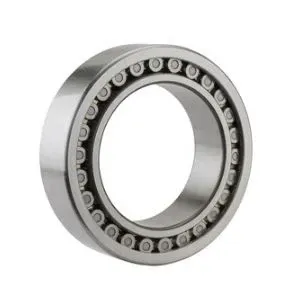
Controlling vibration levels involves taking proactive measures. As mentioned earlier, ensuring proper lubrication is crucial. Regularly checking and replenishing the lubricant can help reduce friction and minimize vibrations. In addition, proper installation and alignment of the conical rollers are essential. Misaligned rollers can cause excessive vibrations, so it's important to follow the manufacturer's installation instructions carefully. Our company offers technical support to our customers to ensure correct installation and alignment of our conical rollers.
Conclusion
In summary, understanding the vibration levels of conical rollers during operation is of utmost importance. Numerous factors, including manufacturing quality, load, and lubrication, can affect these vibration levels. By selecting the right conical rollers, monitoring the vibrations closely, and taking appropriate control measures, users can ensure the optimal performance and long - term reliability of their mechanical systems.
If you are in the market for high - quality conical rollers or have any questions regarding vibration levels and conical roller performance, we are here to assist you. Our team of experts can provide you with detailed information and guidance to meet your specific requirements. Reach out to us for a detailed consultation and to start discussing your procurement needs. We look forward to establishing a long - term partnership with you.
References
- Harris, T. A., & Kotzalas, M. N. (2007). Rolling Bearing Analysis. John Wiley & Sons.
- Stachowiak, G. W., & Batchelor, A. W. (2005). Engineering Tribology. Elsevier.