
What is the torsional strength of metric steel balls?
As a supplier of metric steel balls, I often encounter inquiries regarding the torsional strength of these essential components. Torsional strength is a crucial property that determines a steel ball's ability to withstand twisting forces without failure. In this blog post, I will delve into the concept of torsional strength, its significance in the performance of metric steel balls, and the factors that influence it.
To understand torsional strength, we first need to grasp the concept of torsion. Torsion occurs when a force is applied to an object, causing it to twist around its axis. In the case of metric steel balls, torsional forces can arise in various applications, such as in bearings, gears, and other mechanical systems where rotational motion is involved. The torsional strength of a steel ball is the maximum amount of torsional stress it can endure before it deforms or fractures.
The significance of torsional strength in metric steel balls cannot be overstated. In applications where high torque is applied, such as in heavy machinery or automotive transmissions, steel balls with low torsional strength are prone to failure. This can lead to costly downtime, equipment damage, and safety hazards. On the other hand, steel balls with high torsional strength can withstand the rigors of demanding applications, ensuring reliable performance and longevity.
Several factors influence the torsional strength of metric steel balls. One of the most important factors is the material composition of the steel. Different types of steel have varying levels of strength and ductility, which directly affect their torsional properties. For example, High Chrome Steel Balls are known for their excellent hardness and wear resistance, making them suitable for applications requiring high torsional strength. These balls are typically made from high-quality chrome alloy steel, which provides superior mechanical properties compared to standard carbon steel.
Another factor that affects torsional strength is the manufacturing process. The way steel balls are produced can significantly impact their internal structure and mechanical properties. For instance, precision grinding and heat treatment processes can enhance the hardness and strength of steel balls, improving their torsional resistance. Additionally, the surface finish of the balls can also play a role in their torsional performance. A smooth surface finish reduces friction and stress concentrations, allowing the balls to better withstand torsional forces.
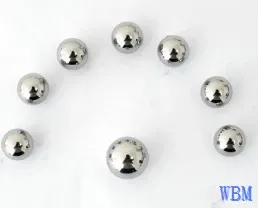
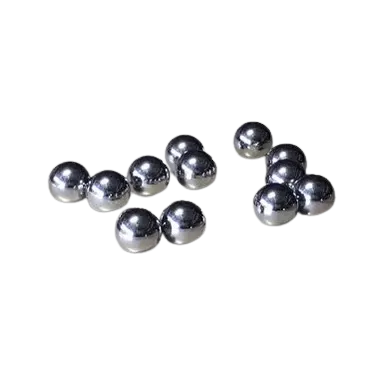
The size and shape of metric steel balls also influence their torsional strength. Generally, larger balls tend to have higher torsional strength than smaller ones due to their increased cross-sectional area. However, the relationship between size and torsional strength is not always linear, as other factors such as material properties and manufacturing processes also come into play. In addition, the shape of the balls can affect their torsional performance. Spherical balls are the most common shape used in industrial applications, as they provide uniform stress distribution and minimize stress concentrations.
In practical applications, the torsional strength of metric steel balls is often tested using specialized equipment. These tests involve applying a known torsional force to the balls and measuring the resulting deformation or failure. By conducting these tests, manufacturers can ensure that their steel balls meet the required specifications and performance standards. Additionally, these tests can also provide valuable insights into the factors that affect torsional strength, allowing for continuous improvement in the manufacturing process.
As a supplier of metric steel balls, I understand the importance of providing high-quality products that meet the specific needs of my customers. That's why I offer a wide range of Large Steel Ball and Chorme Steel Ball options, each with its own unique set of properties and performance characteristics. Whether you need steel balls for a high-torque application or a precision instrument, I can help you find the right solution.
If you are in the market for metric steel balls and have questions about torsional strength or any other aspect of our products, I encourage you to contact me. I am always happy to discuss your requirements and provide expert advice on selecting the best steel balls for your application. By working together, we can ensure that your equipment operates smoothly and efficiently, minimizing downtime and maximizing productivity.
In conclusion, torsional strength is a critical property of metric steel balls that determines their ability to withstand twisting forces in various applications. By understanding the factors that influence torsional strength and selecting the right steel balls for your specific needs, you can ensure reliable performance and longevity in your equipment. As a trusted supplier of metric steel balls, I am committed to providing high-quality products and exceptional customer service. Contact me today to learn more about our products and how we can help you meet your requirements.
References
- "Materials Science and Engineering: An Introduction" by William D. Callister Jr. and David G. Rethwisch
- "Mechanical Design of Machine Elements and Machines: A Failure Prevention Perspective" by Jack A. Collins and Henry R. Busby
- Industry standards and specifications related to steel ball manufacturing and testing