
As a supplier of cylindrical rollers, I've been frequently asked about the temperature range within which these components can operate effectively. Understanding this crucial aspect is vital for anyone looking to use cylindrical rollers in their machinery or equipment. In this blog post, I'll delve into the temperature range for cylindrical rollers to work, exploring the factors that influence it and the implications for various applications.
Understanding Cylindrical Rollers
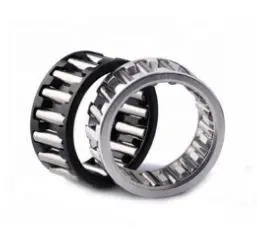
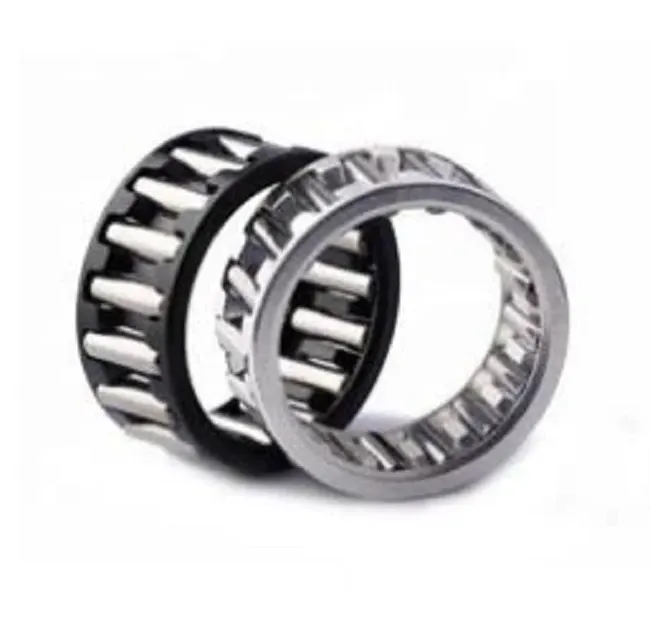
Before we dive into the temperature range, let's briefly understand what cylindrical rollers are. Cylindrical rollers are a type of rolling element used in bearings. They are designed to handle high radial loads and moderate axial loads. Their cylindrical shape allows for a larger contact area with the raceway, distributing the load more evenly and reducing stress concentrations. This design feature makes them suitable for a wide range of applications, from automotive engines to industrial machinery.
Factors Affecting the Temperature Range
Several factors influence the temperature range within which cylindrical rollers can operate. These include the material of the roller, the lubrication used, the load conditions, and the speed of operation.
Material
The material of the cylindrical roller plays a significant role in determining its temperature range. Most cylindrical rollers are made of high - carbon chromium steel, such as AISI 52100. This material offers excellent hardness, wear resistance, and fatigue strength. It can typically withstand operating temperatures up to around 120°C (248°F) under normal conditions. However, in some high - performance applications, special materials like ceramic or stainless steel may be used. Ceramic rollers, for example, can handle much higher temperatures, often up to 800°C (1472°F) or more, due to their high melting points and excellent thermal stability.
Lubrication
Lubrication is essential for the proper functioning of cylindrical rollers. It reduces friction and wear between the rollers and the raceway, and also helps in dissipating heat. The type of lubricant used has a direct impact on the temperature range. Mineral oils are commonly used for general - purpose applications and can operate effectively up to around 80 - 90°C (176 - 194°F). Synthetic lubricants, on the other hand, offer better thermal stability and can handle higher temperatures, sometimes up to 200°C (392°F) or more. Grease lubrication is also widely used, and the temperature range of grease - lubricated cylindrical rollers depends on the base oil and the thickener used in the grease.
Load Conditions
The load applied to the cylindrical rollers affects their temperature. Higher loads generate more heat due to increased friction between the rollers and the raceway. Under heavy loads, the temperature of the rollers can rise significantly. For example, in a high - load industrial application, the operating temperature of the rollers may be 10 - 20°C (18 - 36°F) higher than in a low - load application. It's important to ensure that the rollers are properly sized and rated for the expected load to prevent overheating.
Speed of Operation
The speed at which the cylindrical rollers rotate also impacts the temperature. Faster rotation speeds result in more friction and heat generation. In high - speed applications, such as in machine tool spindles, the temperature can rise rapidly. Special design considerations, such as optimized bearing geometries and high - performance lubricants, are often required to manage the heat generated at high speeds.
Typical Temperature Ranges for Different Applications
The temperature range for cylindrical rollers varies depending on the application. Here are some common scenarios:
General Industrial Applications
In most general industrial applications, such as conveyor systems, pumps, and electric motors, cylindrical rollers made of AISI 52100 steel and lubricated with mineral oil can operate effectively within a temperature range of 20 - 80°C (68 - 176°F). This range allows for normal operation without significant degradation of the roller material or the lubricant.
Automotive Applications
In automotive engines, cylindrical rollers are used in various components, such as the crankshaft and camshaft bearings. The operating temperature in an engine can be quite high, typically ranging from 80 - 120°C (176 - 248°F). Special lubricants and heat - resistant materials are often used to ensure reliable operation in this environment.
High - Temperature Applications
In some industrial processes, such as steel rolling mills or glass manufacturing, the operating temperatures can be extremely high. For these applications, ceramic or high - temperature stainless - steel cylindrical rollers are used, along with high - performance synthetic lubricants. These rollers can operate at temperatures well above 200°C (392°F), sometimes reaching up to 800°C (1472°F) in extreme cases.
Impact of Temperature on Roller Performance
Operating outside the recommended temperature range can have several negative impacts on the performance of cylindrical rollers.
Wear and Fatigue
At high temperatures, the hardness of the roller material may decrease, leading to increased wear and reduced fatigue life. The lubricant may also break down, losing its ability to reduce friction and protect the rollers. This can result in premature failure of the rollers and the bearing assembly.
Dimensional Changes
Temperature variations can cause dimensional changes in the rollers and the bearing components. Thermal expansion can lead to increased clearances or interference fits, affecting the alignment and performance of the bearing. In extreme cases, it can cause the rollers to jam or seize, leading to catastrophic failure of the machinery.
Lubricant Degradation
As mentioned earlier, high temperatures can cause the lubricant to degrade. This can result in the formation of sludge and deposits, which can further increase friction and wear. In addition, the lubricant may lose its viscosity, reducing its ability to form a protective film between the rollers and the raceway.
Monitoring and Controlling Temperature
To ensure the proper functioning of cylindrical rollers, it's important to monitor and control the operating temperature. This can be done using temperature sensors installed in the bearing housing or the machinery. If the temperature exceeds the recommended range, appropriate measures should be taken, such as reducing the load, increasing the lubrication flow, or improving the cooling system.
Related Products
If you're interested in other types of rolling elements, you might want to check out our Needle Roller and Interroll Tapered Roller products. These products offer unique features and are suitable for different applications. For more information about needle rollers, you can also visit our Needle Roller Factory.
Conclusion
In conclusion, the temperature range for cylindrical rollers to work depends on several factors, including the material, lubrication, load conditions, and speed of operation. Understanding these factors and the impact of temperature on roller performance is crucial for ensuring the reliable operation of machinery and equipment. As a supplier of cylindrical rollers, we can provide you with high - quality products and expert advice to help you select the right rollers for your specific application. If you have any questions or are interested in purchasing cylindrical rollers, please feel free to contact us for a detailed discussion.
References
- "Rolling Bearing Analysis" by Tedric A. Harris and Michael N. Kotzalas.
- "Handbook of Lubrication and Tribology" edited by Bhushan Bharat.
- Manufacturer's technical specifications for cylindrical rollers and lubricants.