
Surface roughness is a critical parameter in the manufacturing and performance of conical rollers. As a supplier of Conical Rollers, I have witnessed firsthand the significance of understanding and controlling surface roughness in this specialized field. In this blog, we will delve into what surface roughness of conical rollers is, its importance, and how it impacts the overall quality and functionality of these components.
What is Surface Roughness?
Surface roughness refers to the irregularities on the surface of an object. These irregularities can be microscopic and are typically characterized by the height, width, and spacing of the peaks and valleys on the surface. In the context of conical rollers, surface roughness is measured using various techniques and is expressed in terms of specific parameters such as Ra (arithmetical mean deviation of the assessed profile), Rz (mean height of the profile irregularities), and others.
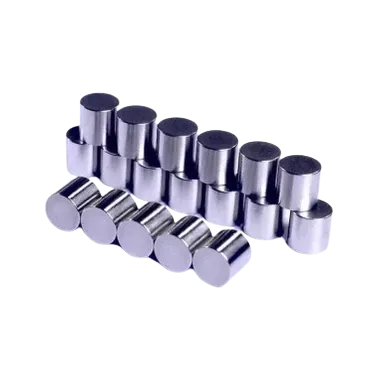

The surface of a conical roller is not perfectly smooth at the microscopic level. Even after precision machining processes, there are still small undulations and imperfections. These can be caused by factors such as the cutting tools used during manufacturing, the material properties, and the machining conditions. For example, a dull cutting tool may leave deeper grooves on the surface of the conical roller, increasing its surface roughness.
Importance of Surface Roughness in Conical Rollers
- Friction and Wear
- The surface roughness of conical rollers has a direct impact on friction and wear. A rougher surface will generally have more contact points with the mating surfaces, such as the raceways in a bearing. This increased contact can lead to higher frictional forces, which in turn generate more heat. Over time, this can cause accelerated wear of both the conical rollers and the mating components.
- On the other hand, a smoother surface can reduce friction and wear. It allows for more uniform distribution of the load, minimizing the stress concentration at specific points. This is crucial for the long - term performance and durability of the conical rollers in applications such as automotive transmissions, industrial machinery, and aerospace equipment.
- Lubrication
- Proper lubrication is essential for the smooth operation of conical rollers. The surface roughness affects the ability of the lubricant to form a continuous and effective film between the rollers and the mating surfaces. If the surface is too rough, the lubricant may not be able to fully fill the valleys, leading to metal - to - metal contact in some areas. This can result in increased friction, wear, and even seizure of the components.
- A well - controlled surface roughness helps to retain the lubricant on the surface, providing better lubrication and reducing the risk of damage. For example, in high - speed applications, a smooth surface with the right amount of texture can enhance the hydrodynamic lubrication effect, ensuring reliable operation.
- Noise and Vibration
- Surface roughness can also contribute to noise and vibration in the operation of conical rollers. Rough surfaces can cause uneven movement and vibration as the rollers rotate. This can be particularly noticeable in applications where quiet operation is required, such as in precision instruments or electric vehicles.
- By reducing surface roughness, the smoothness of the roller's movement can be improved, minimizing noise and vibration. This not only enhances the user experience but also indicates better overall performance and quality of the conical rollers.
Measuring Surface Roughness of Conical Rollers
There are several methods for measuring the surface roughness of conical rollers. One of the most common methods is the use of profilometers. A profilometer measures the surface profile by tracing a stylus across the surface of the roller. The stylus moves up and down as it encounters the peaks and valleys of the surface, and the data is recorded and analyzed to calculate the surface roughness parameters such as Ra and Rz.
Another method is optical measurement. Optical profilometers use light to measure the surface topography. They can provide a non - contact and high - resolution measurement of the surface roughness. This is particularly useful for measuring very small or delicate conical rollers where contact measurement may cause damage.
Controlling Surface Roughness in Manufacturing
As a supplier of Conical Rollers, we pay great attention to controlling the surface roughness during the manufacturing process.
- Machining Processes
- The choice of machining processes is crucial for achieving the desired surface roughness. For example, grinding is a common process used to produce conical rollers with a relatively smooth surface. By using high - quality grinding wheels and optimizing the grinding parameters such as feed rate, cutting speed, and depth of cut, we can control the surface roughness within a tight tolerance.
- Other processes such as honing can also be used to further improve the surface finish. Honing uses abrasive stones to remove small amounts of material from the surface, resulting in a more uniform and smoother surface.
- Material Selection
- The material of the conical roller also affects its surface roughness. Different materials have different machinability and surface characteristics. For example, some steels may be more prone to forming rough surfaces during machining due to their hardness and microstructure. We carefully select the materials based on the application requirements and the desired surface roughness.
- Quality Control
- We implement strict quality control measures to ensure that the surface roughness of our conical rollers meets the specified standards. This includes regular measurement of the surface roughness using calibrated measuring equipment and conducting visual inspections. Any rollers that do not meet the quality criteria are rejected or re - worked to achieve the required surface finish.
Impact of Surface Roughness on Different Applications
- Automotive Industry
- In the automotive industry, conical rollers are widely used in transmissions and wheel bearings. The surface roughness of these rollers can significantly affect the fuel efficiency and reliability of the vehicles. A smoother surface can reduce friction in the transmission, leading to improved power transfer and lower fuel consumption. In wheel bearings, proper surface roughness helps to ensure smooth rotation and reduces the risk of premature failure.
- Industrial Machinery
- Industrial machinery often operates under high loads and speeds. Conical rollers with the right surface roughness are essential for reliable operation. For example, in heavy - duty conveyor systems, the surface roughness of the rollers affects the smooth movement of the conveyor belts and the overall efficiency of the system. In machine tools, the surface roughness of the conical rollers in the spindle bearings can impact the precision of the machining operations.
- Aerospace Industry
- The aerospace industry has extremely high requirements for the performance and reliability of components. Conical rollers used in aircraft engines, landing gear, and other critical systems must have a very low surface roughness. This is to ensure smooth operation, minimize wear, and prevent any potential failures that could endanger the safety of the aircraft.
Conclusion
In conclusion, the surface roughness of conical rollers is a crucial factor that affects their performance, durability, and suitability for different applications. As a supplier of Conical Rollers, we understand the importance of controlling surface roughness and strive to provide high - quality products that meet the strictest standards.
If you are in need of high - quality conical rollers or have any questions about surface roughness and its impact on your applications, we invite you to contact us for a detailed discussion. Our team of experts is ready to assist you in finding the best solutions for your specific needs.
References
- ISO 4287:1997 Geometrical Product Specifications (GPS) - Surface texture: Profile method - Terms, definitions and surface texture parameters.
- M. Field and J. P. Ponthot, “A review of modern surface metrology techniques,” Wear, vol. 215, pp. 27 - 39, 1998.
- E. Rabinowicz, “Friction and Wear of Materials,” Wiley, 1995.