
Surface roughness is a critical parameter in the manufacturing and application of carbon steel balls. As a dedicated carbon steel ball supplier, I have witnessed firsthand the profound impact of surface roughness on the performance and quality of these essential components. In this blog post, I will delve into the concept of surface roughness, its significance in the context of carbon steel balls, and how it relates to our products at [Our Company].
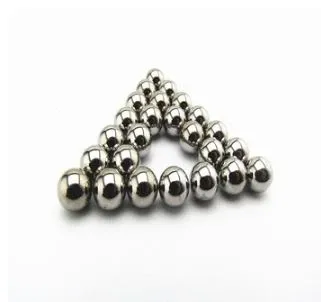
Understanding Surface Roughness
Surface roughness refers to the irregularities present on the surface of a material. These irregularities can be microscopic in nature and are typically characterized by their height, width, and spacing. In the case of carbon steel balls, surface roughness can have a significant impact on their functionality, durability, and overall performance.
The surface roughness of a carbon steel ball is typically measured using a profilometer, which is a device that measures the surface profile of an object. The results of these measurements are typically expressed in terms of Ra, which is the arithmetic average of the absolute values of the surface irregularities over a specified sampling length. Other parameters, such as Rz (the maximum height of the surface irregularities) and Rq (the root mean square of the surface irregularities), may also be used to characterize surface roughness.
Significance of Surface Roughness in Carbon Steel Balls
The surface roughness of carbon steel balls plays a crucial role in their performance in various applications. Here are some of the key ways in which surface roughness can impact the functionality and durability of carbon steel balls:
- Friction and Wear: A smooth surface finish can reduce friction and wear between the carbon steel ball and its mating components. This is particularly important in applications where the ball is subjected to high loads or speeds, as excessive friction and wear can lead to premature failure of the ball and its associated components.
- Noise and Vibration: A rough surface finish can generate noise and vibration during operation, which can be detrimental to the performance and longevity of the equipment. By minimizing surface roughness, we can help to reduce noise and vibration levels, resulting in a smoother and more efficient operation.
- Corrosion Resistance: A smooth surface finish can also enhance the corrosion resistance of carbon steel balls. This is because a smooth surface is less likely to trap moisture and other corrosive substances, which can lead to the formation of rust and other forms of corrosion.
- Precision and Accuracy: In applications where precision and accuracy are critical, such as in bearings and other precision machinery, the surface roughness of carbon steel balls can have a significant impact on the performance and reliability of the equipment. By maintaining a consistent and precise surface finish, we can ensure that our carbon steel balls meet the strictest quality standards and deliver optimal performance in these demanding applications.
Surface Roughness in Our Carbon Steel Balls
As a leading supplier of carbon steel balls, we understand the importance of surface roughness in ensuring the quality and performance of our products. That's why we take great care to control the surface roughness of our carbon steel balls throughout the manufacturing process.
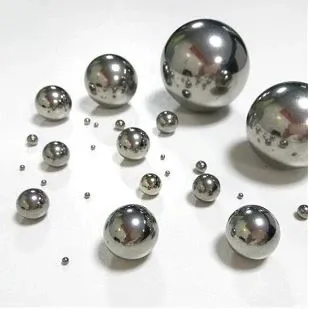
We use state-of-the-art manufacturing techniques and equipment to produce carbon steel balls with a consistent and precise surface finish. Our manufacturing process includes multiple stages of grinding, lapping, and polishing, which are designed to remove any surface irregularities and achieve the desired surface roughness.
In addition to our manufacturing processes, we also conduct rigorous quality control checks to ensure that our carbon steel balls meet the highest standards of surface roughness. We use advanced measurement techniques and equipment to verify the surface roughness of our products, and we have a team of experienced quality control professionals who are dedicated to ensuring that every carbon steel ball we produce meets our strict quality standards.
Applications of Our Carbon Steel Balls
Our carbon steel balls are used in a wide range of applications across various industries. Some of the most common applications of our carbon steel balls include:
- Bearings: Carbon steel balls are widely used in bearings, which are essential components in many types of machinery and equipment. Our carbon steel balls are designed to provide high precision, low friction, and long-lasting performance in bearing applications.
- Valves: Carbon steel balls are also used in valves, which are used to control the flow of fluids and gases in various industrial processes. Our carbon steel balls are designed to provide a tight seal and reliable operation in valve applications.
- Automotive Industry: Carbon steel balls are used in a variety of automotive applications, including transmissions, steering systems, and suspension systems. Our carbon steel balls are designed to provide high strength, durability, and performance in these demanding automotive applications.
- Industrial Machinery: Carbon steel balls are used in a wide range of industrial machinery, including pumps, compressors, and conveyor systems. Our carbon steel balls are designed to provide reliable operation and long-lasting performance in these industrial applications.
Related Products
In addition to our carbon steel balls, we also offer a wide range of other Metal Ball products, including Solid Steel Balls and Chorme Steel Ball. These products are designed to meet the specific needs and requirements of our customers in various industries.
Contact Us for Purchasing
If you are interested in purchasing our carbon steel balls or any of our other products, please do not hesitate to contact us. Our team of experienced sales professionals is ready to assist you with your purchasing needs and provide you with the information and support you need to make an informed decision.
We offer competitive pricing, high-quality products, and excellent customer service. Whether you need a small quantity of carbon steel balls for a specific application or a large volume of products for a long-term project, we can provide you with the solutions you need.

References
- ASTM International. (2021). ASTM Standard B370-19: Standard Specification for Wrought or Rolled Copper and Copper-Alloy Plate, Sheet, Strip, and Rolled Bar.
- ISO. (2019). ISO 4287:2019 Geometrical product specifications (GPS) - Surface texture: Profile method - Terms, definitions and surface texture parameters.
- Machinery's Handbook. (31st ed.). Industrial Press Inc.