
Sphericity is a crucial characteristic when it comes to metric steel balls. As a supplier of metric steel balls, understanding the concept of sphericity and its implications is essential for both our company and our customers. In this blog post, we will delve into what sphericity is, why it matters, and how it affects the performance of metric steel balls.
What is Sphericity?
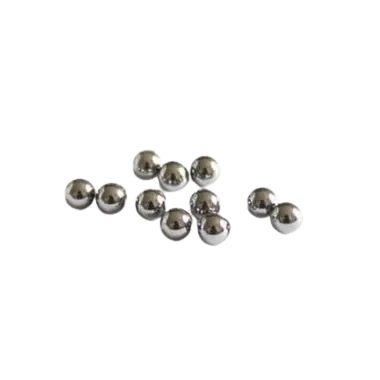
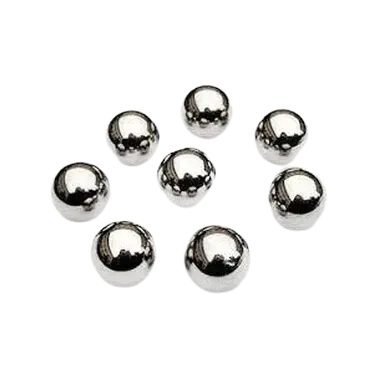
Sphericity refers to the degree to which a particle or object approximates the shape of a perfect sphere. In the context of metric steel balls, it is a measure of how closely the ball's actual shape matches the ideal spherical shape. A perfectly spherical ball has all points on its surface equidistant from its center. However, in real - world manufacturing, achieving a perfect sphere is extremely challenging.
The sphericity of a metric steel ball is typically quantified using specific measurement techniques. One common method is to measure the variations in the ball's diameter at different points around its surface. The smaller these variations, the higher the sphericity of the ball. Deviations from a perfect sphere can occur due to several factors during the manufacturing process, such as uneven material distribution, machining inaccuracies, or thermal stresses.
Why Sphericity Matters
- Precision Applications: In many precision applications, such as in high - end ball bearings, aerospace components, and medical devices, the sphericity of metric steel balls is of utmost importance. For example, in ball bearings, the smooth rotation of the bearing depends on the balls having a high degree of sphericity. Any irregularities in the ball's shape can cause uneven wear, increased friction, and reduced bearing life. This can lead to premature failure of the bearing and potentially costly downtime in industrial machinery.
- Load Distribution: A high - sphericity ball distributes loads more evenly across its surface. When a ball is subjected to a load, a spherical shape ensures that the force is spread uniformly, reducing the risk of stress concentrations. In contrast, a ball with low sphericity may have areas that bear a disproportionate amount of the load, which can lead to cracking or deformation under heavy loads. This is particularly critical in applications where the balls are used to support high - pressure or high - impact forces, such as in automotive transmissions or heavy - duty machinery.
- Fluid Dynamics: In some applications, such as in fluid flow control systems or in the movement of powders and granules, the sphericity of the balls can affect the flow characteristics. Spherical balls tend to roll more smoothly and have less resistance compared to non - spherical objects. This allows for more predictable and efficient fluid or particle movement. For instance, in a ball valve, a highly spherical ball ensures a tight seal and smooth operation, preventing leakage and improving the overall performance of the valve.
Measuring Sphericity
There are several methods available for measuring the sphericity of metric steel balls.
- Coordinate Measuring Machines (CMMs): CMMs are highly accurate measuring devices that can precisely measure the dimensions of a ball at multiple points. By taking a large number of measurements around the ball's surface, the machine can calculate the deviations from a perfect sphere. This method provides very detailed and accurate information about the ball's shape, but it can be time - consuming and expensive, especially for large - scale production.
- Optical Measurement Systems: Optical measurement systems use lasers or cameras to capture the shape of the ball. These systems can quickly and non - destructively measure the ball's surface profile. They are often used in high - volume production environments where speed and efficiency are important. However, they may have limitations in measuring very small or highly reflective balls.
- Gauge Blocks and Comparators: For more basic and cost - effective sphericity measurements, gauge blocks and comparators can be used. These tools compare the ball's diameter at different points with a reference standard. While they are less accurate than CMMs or optical systems, they can provide a quick and rough estimate of the ball's sphericity, which is sufficient for some less - critical applications.
Our Commitment as a Metric Steel Ball Supplier
As a supplier of metric steel balls, we understand the significance of sphericity in our products. We have implemented strict quality control measures throughout the manufacturing process to ensure that our balls meet the highest standards of sphericity. Our state - of - the - art production facilities are equipped with advanced machinery and measurement tools to produce and inspect our metric steel balls.
We offer a wide range of metric steel balls, including High Chrome Steel Balls, 316 Stainless Steel Balls, and Ball Bearing Balls. Each type of ball is carefully manufactured and tested to ensure that it meets the specific sphericity requirements of different applications.
Our quality control team conducts regular inspections using the latest measurement techniques to verify the sphericity of our products. We also work closely with our customers to understand their specific needs and provide them with the most suitable metric steel balls for their applications. Whether it's a high - precision aerospace component or a general - purpose industrial bearing, we are committed to delivering balls with the highest possible sphericity.
Impact of Sphericity on Different Types of Metric Steel Balls
- High Chrome Steel Balls: High chrome steel balls are known for their high hardness and wear resistance. In applications where these balls are used, such as in heavy - duty ball bearings or in the mining industry, a high degree of sphericity is essential. The hardness of high chrome steel makes it more difficult to correct any shape irregularities during the manufacturing process. Therefore, strict control over sphericity during production is necessary to ensure the optimal performance of these balls.
- 316 Stainless Steel Balls: 316 stainless steel balls are widely used in applications where corrosion resistance is required, such as in the food and beverage industry, marine applications, and medical equipment. The sphericity of these balls is important not only for their mechanical performance but also for maintaining a smooth surface finish. A non - spherical ball may have areas where contaminants can accumulate, which can compromise the corrosion resistance and hygiene of the application.
- Ball Bearing Balls: As mentioned earlier, ball bearing balls require a high degree of sphericity for smooth operation and long - term reliability. The quality of the sphericity directly affects the bearing's rotational accuracy, noise level, and load - carrying capacity. We ensure that our ball bearing balls are manufactured to the strictest sphericity standards to meet the demanding requirements of the bearing industry.
Conclusion
In conclusion, the sphericity of metric steel balls is a critical factor that significantly impacts their performance in a wide range of applications. As a supplier, we are dedicated to providing our customers with high - quality metric steel balls with excellent sphericity. Our commitment to quality control and continuous improvement ensures that our products meet the most stringent industry standards.
If you are in need of metric steel balls for your application, we invite you to contact us for a detailed discussion. Our team of experts is ready to assist you in selecting the most appropriate balls based on your specific requirements. Whether you need high - chrome steel balls, 316 stainless steel balls, or ball bearing balls, we have the expertise and the products to meet your needs.
References
- "Handbook of Bearing Technology" by Peter J. Booser
- "Precision Manufacturing and Tribology" by A. K. Jain
- "Engineering Materials and Their Applications" by Donald Askeland and Pradeep Fulay