
Hey there! I'm a supplier of Weldable Steel Balls, and today I wanna dig into a pretty interesting topic: What is the solubility of weldable steel balls in certain solvents (if any)? It's not something that comes up in regular conversations about steel balls, but it's super important, especially for those in industries where chemical compatibility matters.
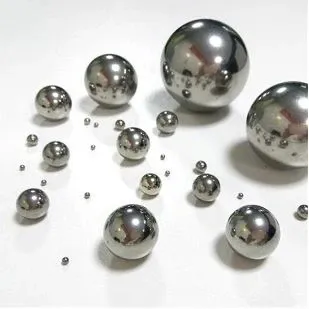
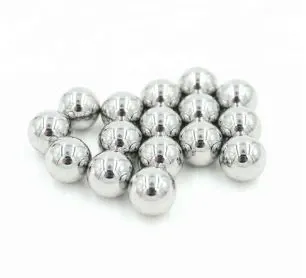
First off, let's understand what weldable steel balls are. These bad boys are made from steel alloys that are designed to be welded easily. They're used in a bunch of applications, like in machinery for precision parts, in the automotive industry for components, and even in some construction projects. You can check out more about different types of steel balls on our website, including Metal Ball, Precision Steel Balls, and Stainless Steel Ball.
Now, onto solubility. Solubility is basically how well a substance can dissolve in a solvent. When we talk about steel balls, we're usually thinking about their physical properties like hardness, strength, and weldability. But solubility can play a role too, especially in environments where the steel balls might come into contact with different chemicals.
Steel is an alloy, mainly composed of iron and carbon, along with other elements like manganese, silicon, and sometimes nickel or chromium. The solubility of steel in solvents depends on a few factors. One of the biggest factors is the chemical composition of the steel. Different alloys have different levels of resistance to corrosion and dissolution.
Let's start with water. Water is a common solvent, and we all know that steel can rust in water over time. Rusting is a form of corrosion, which is kind of like a slow - motion dissolution. However, pure water on its own doesn't dissolve steel quickly. The process of rusting involves oxygen in the air reacting with the iron in the steel to form iron oxide. But this isn't a true dissolution like you'd see with salt in water.
Acids are a different story. Strong acids like hydrochloric acid (HCl) and sulfuric acid (H₂SO₄) can react with steel. The acid reacts with the iron in the steel to form metal salts and hydrogen gas. For example, when steel is exposed to hydrochloric acid, the reaction looks like this: Fe + 2HCl → FeCl₂+ H₂. This reaction breaks down the steel, and the iron chloride formed can dissolve in the acid solution. The rate of this reaction depends on the concentration of the acid, the temperature, and the surface area of the steel balls. Smaller steel balls have a larger surface area, so they'll react faster than larger ones.
Bases, on the other hand, don't typically dissolve steel as readily as acids. But some strong bases, like sodium hydroxide (NaOH) under certain conditions, can react with the steel. However, the reaction is usually slower and less common compared to acid - steel reactions.
Organic solvents like acetone, ethanol, and toluene generally don't dissolve steel. These solvents are non - polar or have low reactivity with metals. They're more likely to be used for cleaning the surface of steel balls rather than dissolving them.
In industrial settings, the solubility of steel balls in solvents can have some practical implications. For example, in the manufacturing process, if the steel balls need to be cleaned or treated with chemicals, the choice of solvent is crucial. You don't want to use a solvent that will damage the steel balls. On the other hand, in some cases, you might want to use a solvent to remove impurities from the surface of the steel balls.
If you're in an environment where the steel balls are exposed to harsh chemicals, you might need to choose a steel alloy that's more resistant to dissolution. Stainless steel, for example, contains chromium, which forms a thin, protective oxide layer on the surface of the steel. This layer helps prevent the steel from reacting with acids and other corrosive substances. You can learn more about Stainless Steel Ball on our website.
Another factor to consider is the temperature. Higher temperatures generally increase the rate of chemical reactions. So, if you have steel balls in a hot solvent, the dissolution process will be faster than at room temperature. This is important in industrial processes where temperature control can be a key factor in ensuring the quality of the steel balls.
Now, let's talk about the implications for us as a supplier of weldable steel balls. We need to make sure that the steel balls we provide are suitable for the applications our customers have in mind. If a customer is using the steel balls in a chemical - rich environment, we need to recommend the right type of steel alloy. We also need to provide information on how to handle and store the steel balls to prevent any unwanted reactions with solvents.
If you're in the market for high - quality weldable steel balls, whether it's Metal Ball, Precision Steel Balls, or Stainless Steel Ball, we're here to help. We can offer advice on the best type of steel for your specific needs, and we can ensure that the steel balls are made to the highest standards.
If you have any questions or want to discuss your requirements further, don't hesitate to reach out. We're always happy to have a chat and help you find the perfect steel balls for your project. Whether you're in the automotive industry, construction, or any other field that uses steel balls, we've got you covered.
In conclusion, the solubility of weldable steel balls in solvents is a complex topic that depends on many factors like the chemical composition of the steel, the type of solvent, temperature, and surface area. By understanding these factors, we can make better decisions about the use and handling of steel balls in different environments. And as a supplier, we're committed to providing the best products and support to our customers.
References
- Smith, J. (2018). Corrosion and Protection of Metals. New York: Metal Press.
- Jones, R. (2020). Chemical Reactions of Steel Alloys. London: Chemical Insights Publishing.