
Smoothness is a crucial characteristic when it comes to carbon steel balls, significantly influencing their performance and applications across various industries. As a trusted carbon steel ball supplier, I am well - versed in the concept of smoothness and its implications for these essential components.
Understanding the Smoothness of Carbon Steel Balls
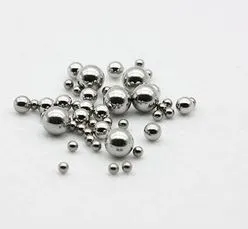
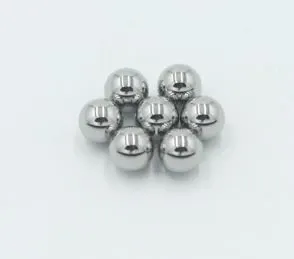
Smoothness, in the context of carbon steel balls, refers to the evenness and lack of irregularities on their surface. It is a measure of how closely the surface of the ball conforms to a perfect spherical shape at a microscopic level. High smoothness means that the surface has minimal roughness, bumps, or pits. This smoothness is achieved through a series of precise manufacturing processes.
The manufacturing of carbon steel balls typically starts with the selection of high - quality carbon steel materials. After the initial shaping, the balls undergo a series of grinding and polishing operations. Grinding is used to remove any large irregularities and bring the ball closer to the desired size and shape. Polishing, on the other hand, is the key process for enhancing smoothness. It involves using fine abrasives to create an extremely smooth surface finish.
Measuring the Smoothness of Carbon Steel Balls
There are several ways to measure the smoothness of carbon steel balls. One common method is using surface roughness parameters. The most widely used parameter is Ra, which represents the arithmetic average of the absolute values of the surface height deviations from the mean line within a specified sampling length. A lower Ra value indicates a smoother surface.
Another important measurement is Rz, which is the average value of the five largest peak - to - valley heights within the sampling length. This parameter gives an indication of the larger irregularities on the surface. For high - precision applications, these measurements are crucial as they directly affect the performance of the carbon steel balls.
Importance of Smoothness in Different Applications
Bearings
In the bearing industry, smoothness is of utmost importance. Bearings use carbon steel balls to reduce friction between moving parts. A smooth surface on the balls ensures that they roll with minimal resistance, reducing wear and tear on both the balls and the bearing raceways. This leads to longer bearing life, improved efficiency, and quieter operation. For example, in high - speed bearings used in electric motors, the smoothness of the carbon steel balls can significantly impact the overall performance and reliability of the motor.
Precision Instruments
Carbon steel balls are also used in precision instruments such as gauges and measuring devices. In these applications, the smoothness of the balls is essential for accurate measurements. A rough surface can introduce errors in the measurement process, leading to inaccurate results. Smooth balls ensure consistent contact and movement, which is crucial for the precision and reliability of these instruments.
Automotive Industry
In the automotive industry, carbon steel balls are used in various components, including steering systems and transmissions. The smoothness of the balls affects the smooth operation of these components. In steering systems, smooth balls allow for precise steering control, while in transmissions, they contribute to efficient power transfer and reduced noise.
Comparing Carbon Steel Balls with Other Types of Steel Balls
When considering the smoothness of carbon steel balls, it is interesting to compare them with other types of steel balls. For instance, High Chrome Steel Balls are known for their high hardness and wear resistance. While they can also have a high level of smoothness, the manufacturing process for high - chrome steel balls may be different from that of carbon steel balls. High - chrome steel balls often require more specialized heat - treatment processes, which can impact the final surface finish.
Weldable Steel Balls are designed for applications where welding is required. The smoothness of these balls is important not only for their normal operation but also for the welding process. A smooth surface ensures better weld quality and a more reliable joint. However, the welding process itself can potentially affect the smoothness of the balls if not properly controlled.
Precision Steel Balls are manufactured to extremely tight tolerances and high levels of smoothness. These balls are often used in the most demanding applications, such as aerospace and medical devices. While carbon steel balls can achieve a high level of smoothness, precision steel balls may have even stricter requirements in terms of surface finish and dimensional accuracy.
Factors Affecting the Smoothness of Carbon Steel Balls
Material Quality
The quality of the carbon steel material used in ball manufacturing has a significant impact on smoothness. High - quality steel with a uniform composition and fewer impurities is more likely to produce smooth balls. Impurities in the steel can cause surface defects during the manufacturing process, leading to a rougher surface.
Manufacturing Process
The manufacturing process is another critical factor. The precision of the grinding and polishing operations, as well as the control of the manufacturing environment, can affect the smoothness of the balls. For example, a clean manufacturing environment reduces the risk of contamination, which can cause scratches or other surface defects on the balls.
Heat Treatment
Heat treatment is often used to improve the mechanical properties of carbon steel balls. However, improper heat treatment can lead to surface irregularities. Over - heating or uneven cooling can cause the formation of scale or cracks on the surface, reducing the smoothness of the balls.
Maintaining the Smoothness of Carbon Steel Balls
Once the carbon steel balls are manufactured and used in applications, it is important to maintain their smoothness. Proper storage is essential to prevent corrosion and damage to the surface. Balls should be stored in a dry and clean environment, preferably in sealed containers to protect them from dust and moisture.
During use, regular inspection and maintenance are necessary. Lubrication is often used to reduce friction and protect the surface of the balls. The type of lubricant used should be compatible with the carbon steel material and the application requirements.
Our Commitment as a Carbon Steel Ball Supplier
As a carbon steel ball supplier, we are committed to providing high - quality balls with excellent smoothness. We use advanced manufacturing techniques and strict quality control measures to ensure that each ball meets the highest standards. Our team of experts closely monitors every step of the manufacturing process, from material selection to the final inspection.
We understand the importance of smoothness in different applications and work closely with our customers to provide the most suitable carbon steel balls for their needs. Whether it is for bearings, precision instruments, or automotive components, we have the expertise and resources to deliver reliable and high - performance products.
If you are in need of carbon steel balls with exceptional smoothness, we invite you to contact us for a detailed discussion. Our sales team is ready to assist you in selecting the right products and can provide you with competitive pricing and excellent customer service. We look forward to the opportunity to work with you and contribute to the success of your projects.
References
- ASTM International. (20XX). Standards related to steel ball manufacturing and surface finish.
- Machinery's Handbook. (20XX). A comprehensive reference for mechanical engineering, including information on ball manufacturing and surface roughness.
- Industry research reports on the use of carbon steel balls in various applications.