
Hey there! As a supplier of Taper Roller Design, I often get asked about the little details that make our products so effective. One of those key details is the chamfer on our rollers. Let's dive into what the role of the roller's chamfer is in taper roller design.
First off, let's talk a bit about taper rollers. Taper rollers are used in a variety of applications, from automotive transmissions to industrial machinery. They're designed to handle both radial and axial loads, which makes them super versatile. But the chamfer on these rollers plays a crucial part in how they perform.
So, what exactly is a chamfer? A chamfer is basically a beveled edge on the end of the roller. It's not just for looks; it serves some important functions.
One of the main roles of the chamfer is to reduce stress concentration. When a taper roller is in operation, there's a lot of force being applied at the edges of the roller. Without a chamfer, this force can cause high stress concentrations, which can lead to premature wear and even failure of the roller. The chamfer spreads out this stress over a larger area, which helps to extend the life of the roller.
For example, in a heavy - duty industrial application where the rollers are constantly under high loads, the chamfer can make a huge difference. It prevents the edges from chipping or cracking, which means less downtime for maintenance and replacement.
Another important role is to improve lubrication. Lubrication is essential for the smooth operation of taper rollers. The chamfer helps to direct the lubricant towards the contact area between the roller and the raceway. This ensures that there's a continuous supply of lubricant, reducing friction and heat generation. Friction can cause excessive wear and tear, but with proper lubrication, the rollers can operate more efficiently.
In automotive transmissions, for instance, the chamfer's ability to enhance lubrication is crucial. It helps to keep the transmission running smoothly, which in turn improves fuel efficiency and reduces the risk of costly repairs.
The chamfer also plays a part in the assembly process. It makes it easier to insert the rollers into the bearing assembly. Without a chamfer, the sharp edges of the rollers could get caught or damaged during assembly, leading to a less - than - perfect fit. The chamfer provides a smooth transition, allowing the rollers to be inserted more easily and accurately.
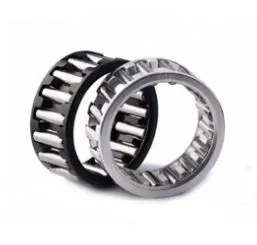
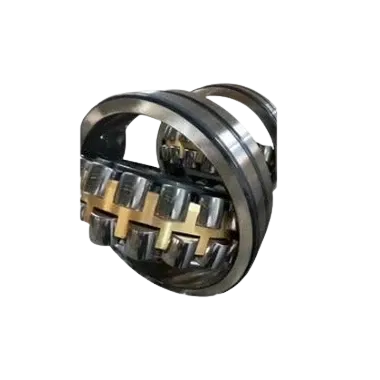
Now, let's compare taper rollers with other types of rollers. You might be interested in Spherical Roller and Needle Roller. Spherical rollers are known for their ability to handle misalignment, while needle rollers are great for applications where space is limited. However, taper rollers with their well - designed chamfers offer a unique combination of load - handling capabilities and durability.
There are also Spherical Roller options that have different features. But when it comes to a balance of performance and reliability, our taper rollers with the right chamfer design really shine.
In the manufacturing process, getting the chamfer right is no easy feat. We use advanced machining techniques to ensure that the chamfer has the correct angle and dimensions. Even a small deviation in the chamfer can have a big impact on the roller's performance. That's why we have strict quality control measures in place to make sure each and every roller meets our high standards.
We also conduct extensive testing on our rollers. We simulate real - world conditions to see how the rollers with different chamfer designs perform. This helps us to continuously improve our products and offer the best possible solution to our customers.
If you're in the market for high - quality taper rollers, you'll want to pay attention to the chamfer. A well - designed chamfer can make all the difference in the performance and longevity of your equipment.
Whether you're in the automotive industry, manufacturing, or any other field that relies on precision machinery, our taper rollers with the optimized chamfer design can be a game - changer.
If you're interested in learning more about our taper roller design or are thinking about a purchase, I encourage you to reach out. We're always happy to have a chat, answer your questions, and discuss how our products can meet your specific needs. Let's get in touch and see how we can improve your machinery's performance!
References
- "Rolling Bearing Design and Application", Engineering Handbook, 2018.
- "Advanced Manufacturing Techniques for Taper Rollers", Journal of Precision Engineering, 2020.