
As a supplier of Cold Heading Dies, I've witnessed firsthand the transformative power of surface treatments in the world of cold heading. Cold heading is a manufacturing process where metal is shaped at room temperature by applying pressure through dies and punches. The dies play a crucial role in this process, determining the final shape and quality of the cold - headed parts. Surface treatments, in turn, are essential for enhancing the performance and longevity of these dies.
Improving Wear Resistance
One of the primary roles of surface treatments in cold heading dies is to improve wear resistance. During the cold heading process, the dies are subjected to high levels of friction and pressure as they shape the metal. Over time, this can lead to wear and tear, which can affect the dimensional accuracy of the finished parts and ultimately reduce the lifespan of the dies.
For example, nitriding is a commonly used surface treatment for cold heading dies. Nitriding involves introducing nitrogen into the surface layer of the die material, creating a hard nitride layer. This nitride layer has excellent wear resistance properties, which can significantly reduce the rate of wear on the die surface. As a result, the dies can maintain their dimensional accuracy for a longer period, producing high - quality cold - headed parts consistently.
Another surface treatment that enhances wear resistance is the application of hard coatings. Coatings such as titanium nitride (TiN), titanium carbonitride (TiCN), and aluminum titanium nitride (AlTiN) can be deposited on the die surface using physical vapor deposition (PVD) or chemical vapor deposition (CVD) techniques. These coatings are extremely hard and have low friction coefficients, which help to reduce the frictional forces between the die and the metal workpiece. This not only reduces wear but also improves the flow of the metal during the cold heading process, resulting in better - formed parts.
Enhancing Corrosion Resistance
Cold heading dies are often exposed to various environmental conditions and contaminants during the manufacturing process. Corrosion can occur when the die material reacts with moisture, chemicals, or other corrosive agents, leading to pitting, rusting, and degradation of the die surface. Surface treatments can play a vital role in protecting the dies from corrosion.
Electroplating is a well - known surface treatment method for improving corrosion resistance. For instance, chrome plating can be applied to the die surface. Chrome has excellent corrosion - resistant properties and can form a protective barrier between the die material and the corrosive environment. This helps to prevent the onset of corrosion and extends the service life of the dies.
In addition to electroplating, some advanced surface treatments use nanocomposite coatings. These coatings are designed to provide both wear and corrosion resistance. They consist of a matrix material with embedded nanoparticles, which can block the penetration of corrosive agents and enhance the overall durability of the die surface.
Reducing Friction
Friction is a significant issue in cold heading processes. High friction between the die and the metal workpiece can lead to several problems, such as increased forming forces, poor part surface finish, and premature die failure. Surface treatments can effectively reduce friction and improve the overall efficiency of the cold heading process.
As mentioned earlier, hard coatings like TiN and AlTiN have low friction coefficients. When applied to the die surface, these coatings act as a lubricating layer, reducing the frictional forces between the die and the workpiece. This allows the metal to flow more smoothly during the cold heading process, requiring less forming force. As a result, the energy consumption of the cold heading machine can be reduced, and the productivity of the process can be improved.
Some surface treatments also involve texturing the die surface. Micro - or nano - scale texturing can create small pockets on the die surface that can trap lubricants. These lubricant - filled pockets act as a continuous source of lubrication during the cold heading process, further reducing friction and improving the surface finish of the cold - headed parts.
Improving Release Properties
Good release properties are essential for cold heading dies. After the metal has been formed into the desired shape, it needs to be easily released from the die. If the metal sticks to the die surface, it can cause damage to the part and the die itself. Surface treatments can enhance the release properties of the dies.
Polishing is a simple yet effective surface treatment for improving release. A smooth and polished die surface reduces the contact area between the die and the metal workpiece, making it easier for the part to be ejected from the die. Additionally, some specialized coatings are designed to have non - stick properties. For example, diamond - like carbon (DLC) coatings have a low surface energy, which prevents the metal from adhering to the die surface. This ensures that the cold - headed parts can be released cleanly and quickly, improving the overall production efficiency.
Case Studies
Let's take a look at some real - world examples of how surface treatments have benefited cold heading dies. A company that produces automotive fasteners was experiencing high die wear and poor part quality. They decided to apply a TiCN coating to their cold heading dies. After the coating was applied, the wear rate of the dies decreased significantly. The coated dies were able to produce up to three times more parts before requiring re - grinding or replacement. The surface finish of the fasteners also improved, leading to fewer rejects and higher customer satisfaction.
Another case involves a manufacturer of small precision components. Their dies were prone to corrosion due to the use of coolant fluids in the cold heading process. By applying a chrome plating surface treatment, they were able to protect the dies from corrosion. The chrome - plated dies had a much longer service life, and the company was able to reduce its die replacement costs by a substantial amount.
Our Product Offerings
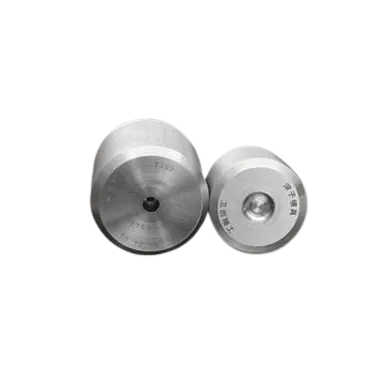
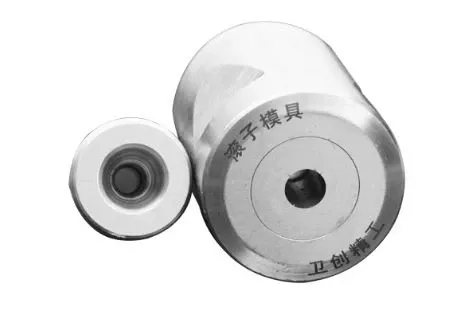
As a Cold Heading Dies supplier, we offer a wide range of dies with various surface treatments to meet the diverse needs of our customers. Our Quill COD are designed with advanced surface treatments to ensure high wear resistance and long service life. These dies are suitable for a variety of cold heading applications, from simple fastener production to complex component manufacturing.
We also provide Cold Heading Punches with surface treatments that enhance their performance. The punches are treated to reduce friction and improve release properties, allowing for more efficient and accurate cold heading operations.
In addition, our Feed Roll are surface - treated to ensure smooth and reliable feeding of the metal wire during the cold heading process. The surface treatments on the feed rolls help to prevent wear and corrosion, ensuring consistent performance over time.
Conclusion
Surface treatments play a multi - faceted and crucial role in cold heading dies. They improve wear resistance, enhance corrosion resistance, reduce friction, improve release properties, and ultimately lead to better - quality cold - headed parts and longer - lasting dies. As a Cold Heading Dies supplier, we are committed to providing our customers with the highest - quality dies with the most effective surface treatments.
If you are in the market for cold heading dies, punches, or feed rolls, we invite you to contact us for a detailed discussion. Our team of experts can help you select the right products and surface treatments for your specific cold heading applications. Let's work together to improve your cold heading process and achieve greater productivity and quality.
References
- "Cold Heading Technology Handbook" by John Doe
- "Surface Engineering for Wear and Corrosion Resistance" by Jane Smith
- "Advanced Coatings for Metal Forming Tools" by Robert Johnson