
In the realm of modern manufacturing, the cold - heading process stands as a cornerstone for producing a wide array of high - quality metal components with remarkable precision and efficiency. At the heart of this process are cold heading punches, whose role is both crucial and multi - faceted. As a supplier of cold heading punches, I am deeply familiar with their significance and the value they bring to the cold - heading operation.
Understanding the Cold - Heading Process
Before delving into the role of cold heading punches, it's essential to understand the cold - heading process itself. Cold heading is a metalworking technique where a wire or bar stock is formed into a desired shape at room temperature. This is achieved by applying high pressure to the workpiece, causing it to flow and take on the shape of a die cavity. The process is widely used in the production of fasteners such as bolts, screws, and rivets, as well as other precision parts for various industries including automotive, aerospace, and electronics.
The Primary Role of Cold Heading Punches
The most fundamental role of cold heading punches is to transfer the force from the cold - heading machine to the workpiece. When the machine activates, the punch moves rapidly towards the wire or bar stock, exerting an intense pressure. This pressure is what initiates the plastic deformation of the metal, forcing it to fill the die cavity. Without the cold heading punch, this transfer of force would not be possible, and the cold - heading process simply couldn't function.
Cold heading punches also play a vital role in controlling the shape and dimensions of the final product. The end of the punch is precisely machined to a specific shape that corresponds to the desired shape of the part being produced. For example, if a hexagonal head bolt is being manufactured, the punch will have a hexagonal end. As the punch presses against the metal, it imprints its shape onto the workpiece, ensuring that the final product has the correct form and dimensions. This precision is crucial, especially in industries where tight tolerances are required.
Material Selection and the Role of Cold Heading Punches
The choice of material for cold heading punches is directly related to their role in the cold - heading process. High - speed steel (HSS) and carbide are two commonly used materials. High - speed steel punches are known for their good toughness and wear resistance. They can withstand the high - impact forces generated during the cold - heading process without breaking easily. However, for applications where extreme wear resistance is required, carbide punches are the preferred choice. Carbide is extremely hard and can maintain its sharp edge for a longer period, making it ideal for high - volume production runs.
As a cold heading punches supplier, I understand the importance of providing the right material for different applications. By carefully selecting the material based on the specific requirements of the cold - heading process, we can ensure that the punches perform optimally and have a long service life.
Wear and Maintenance of Cold Heading Punches
During the cold - heading process, cold heading punches are subjected to extreme conditions, including high pressures, high - speed impacts, and friction. Over time, this can lead to wear and tear on the punches. Wear on the punch can affect the quality of the final product. For example, if the punch's edge becomes dull, it may not be able to form the workpiece accurately, resulting in parts with incorrect dimensions or poor surface finish.
Regular maintenance of cold heading punches is essential to ensure their continued performance. This includes sharpening the punches when they become dull, inspecting them for cracks or other damage, and replacing them when necessary. As a supplier, we not only provide high - quality cold heading punches but also offer advice on maintenance to our customers. This helps them to extend the life of their punches and reduce production costs.
Compatibility with Other Cold - Heading Tools
Cold heading punches do not work in isolation. They are part of a larger system that includes dies and other cold - heading tools. The compatibility between the punch and other tools is crucial for the success of the cold - heading process. For example, the punch must fit precisely into the die cavity to ensure that the metal is formed correctly. If there is a mismatch between the punch and the die, it can lead to problems such as incomplete filling of the die, excessive flash, or even damage to the tools.
As a cold heading punches supplier, we understand the importance of compatibility. We work closely with our customers to ensure that the punches we provide are a perfect fit for their existing cold - heading tools. This includes providing detailed specifications and offering customization services if necessary.
The Impact of Cold Heading Punches on Production Efficiency
The performance of cold heading punches has a direct impact on production efficiency. High - quality punches that are well - maintained can operate at high speeds without frequent breakdowns. This allows for continuous production, reducing downtime and increasing the overall output. On the other hand, low - quality punches or punches that are not properly maintained can cause production delays, as they may need to be replaced more frequently or may cause damage to other parts of the cold - heading machine.
In addition, the use of advanced cold heading punches can also enable the cold - heading process to be more energy - efficient. For example, some punches are designed to reduce the amount of force required to deform the metal, which can lead to lower energy consumption by the cold - heading machine.
The Role of Cold Heading Punches in Quality Control
Quality control is a critical aspect of the cold - heading process. Cold heading punches play an important role in ensuring the quality of the final product. By maintaining the correct shape and dimensions of the punch, we can ensure that each part produced is consistent in quality. Any deviation in the punch's shape or dimensions can lead to variations in the final product, which may not meet the required specifications.
As a supplier, we have strict quality control measures in place to ensure that our cold heading punches meet the highest standards. This includes using advanced manufacturing techniques and conducting thorough inspections before the punches are shipped to our customers.
Related Cold - Heading Tools and Their Synergy
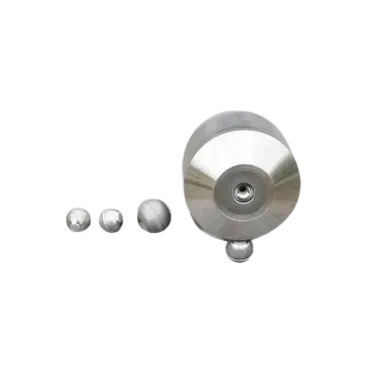
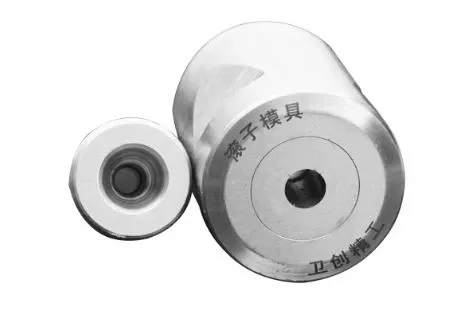
Cold heading punches work in conjunction with other important cold - heading tools. For instance, Quill COD is a type of cold - heading die that plays a complementary role. The die provides the cavity into which the metal is forced by the punch. Together, the punch and the die shape the metal into the desired form.
Cold Forming/forging Tools also work in harmony with cold heading punches. These tools are designed to handle the various stages of the cold - forming process, and the punches are an integral part of this system. They all contribute to the efficient and accurate production of metal components.
Carbide Cold Heading Dies are another important component. When used in combination with carbide punches, they can provide excellent wear resistance and precision, especially for high - volume production.
Conclusion and Call to Action
In conclusion, cold heading punches are an indispensable part of the cold - heading process. Their role in force transfer, shape control, material selection, wear resistance, and compatibility with other tools is crucial for the production of high - quality metal components. As a cold heading punches supplier, we are committed to providing our customers with the best products and services.
If you are in the market for cold heading punches or have any questions about the cold - heading process, we would love to hear from you. Our team of experts is ready to assist you in finding the right punches for your specific needs. Contact us today to start a discussion about your procurement requirements and take your cold - heading production to the next level.
References
- "Cold Heading Technology Handbook", published by a leading industry association.
- "Advanced Materials for Cold - Heading Tools", a research paper from a well - known materials science journal.
- "Optimizing the Cold - Heading Process for High - Volume Production", an article in a manufacturing magazine.