
Hey there! As a supplier of Ball Bearing Balls, I've been getting a lot of questions lately about the role these little guys play in a conveyor system. So, I thought I'd take some time to break it down for you.
First off, let's talk about what a conveyor system is. In simple terms, it's a mechanical device used to move materials from one place to another. You can find them in all sorts of industries, like manufacturing, mining, and food processing. They're super important because they help streamline operations and increase efficiency.
Now, where do ball bearing balls fit into all this? Well, they're a crucial component of the conveyor system's bearings. Bearings are used to reduce friction between moving parts and support radial and axial loads. And the ball bearing balls are the heart of these bearings.
One of the main functions of ball bearing balls in a conveyor system is to facilitate smooth rotation. When the conveyor belt moves, the bearings need to spin freely to keep everything running smoothly. The ball bearing balls allow the inner and outer races of the bearing to rotate with minimal friction. This not only reduces wear and tear on the bearings but also helps to save energy. After all, the less friction there is, the less power the conveyor system needs to operate.
Another important role of ball bearing balls is to handle loads. Conveyor systems often carry heavy materials, and the bearings need to be able to support these loads without failing. The ball bearing balls distribute the load evenly across the bearing, preventing any one point from bearing too much stress. This helps to extend the lifespan of the bearings and ensures the reliability of the conveyor system.
There are different types of ball bearing balls that can be used in a conveyor system, depending on the specific requirements. For example, Metal Ball are a popular choice because they're strong and durable. They can withstand high loads and are resistant to wear and corrosion.
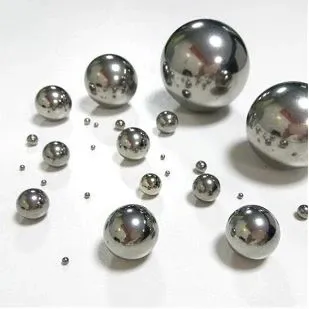
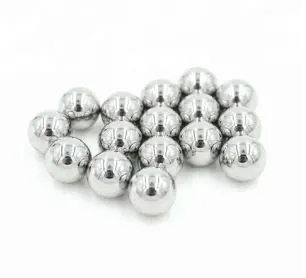
Metric Steel Ball are also commonly used. They're made to precise metric standards, which means they offer a high level of accuracy and consistency. This is important in a conveyor system, where even a small deviation can cause problems.
If you're looking for a ball bearing ball that's resistant to rust and corrosion, then Stainless Steel Ball are the way to go. They're ideal for use in environments where the conveyor system may be exposed to moisture or chemicals.
When it comes to choosing the right ball bearing balls for your conveyor system, there are a few things to consider. First, you need to think about the load capacity. How much weight will the conveyor system be carrying? You'll need to choose ball bearing balls that can handle this load without failing.
Next, you need to consider the speed of the conveyor system. Faster conveyor systems require ball bearing balls that can spin at high speeds without generating too much heat.
The environment in which the conveyor system will operate is also important. If it's a dirty or dusty environment, you'll need ball bearing balls that are resistant to contamination. And if it's a wet or corrosive environment, stainless steel balls may be the best choice.
As a supplier of Ball Bearing Balls, I understand the importance of providing high-quality products. That's why I work hard to source the best materials and use the latest manufacturing techniques to ensure that my ball bearing balls meet the highest standards.
If you're in the market for ball bearing balls for your conveyor system, I'd love to help. Whether you need metal balls, metric steel balls, or stainless steel balls, I've got you covered. I can provide you with the right products at competitive prices and offer expert advice on which balls are best for your specific application.
So, if you're interested in learning more or want to discuss your requirements, don't hesitate to get in touch. I'm here to make the process as easy and stress-free as possible for you. Let's work together to keep your conveyor system running smoothly!
References
- "Bearing Handbook" by SKF
- "Conveyor Systems Design Manual" by CEMA