
In the world of industrial manufacturing and engineering, the performance and quality of materials are of utmost importance. As a supplier of Din 5401 steel balls, I have witnessed firsthand the critical role these components play in various applications. One of the key properties that often comes under scrutiny is the resistance of Din 5401 steel balls to galling. In this blog post, I will delve into the concept of galling, explore the factors influencing the galling resistance of Din 5401 steel balls, and highlight why this property is so crucial in real - world applications.
Understanding Galling
Galling is a form of wear that occurs when two surfaces in contact slide against each other under high pressure and load. It involves the adhesion of material from one surface to the other, leading to the formation of lumps or protrusions on the contacting surfaces. These lumps can cause further damage as they continue to interact with the surfaces, leading to increased friction, surface roughness, and ultimately, failure of the components.
Galling is a significant concern in many industries, including automotive, aerospace, and machinery manufacturing. For example, in automotive engines, steel balls are used in valve trains and other critical components. If galling occurs, it can lead to increased wear, reduced efficiency, and even engine failure. In aerospace applications, where safety is of the utmost importance, any form of component failure due to galling can have catastrophic consequences.
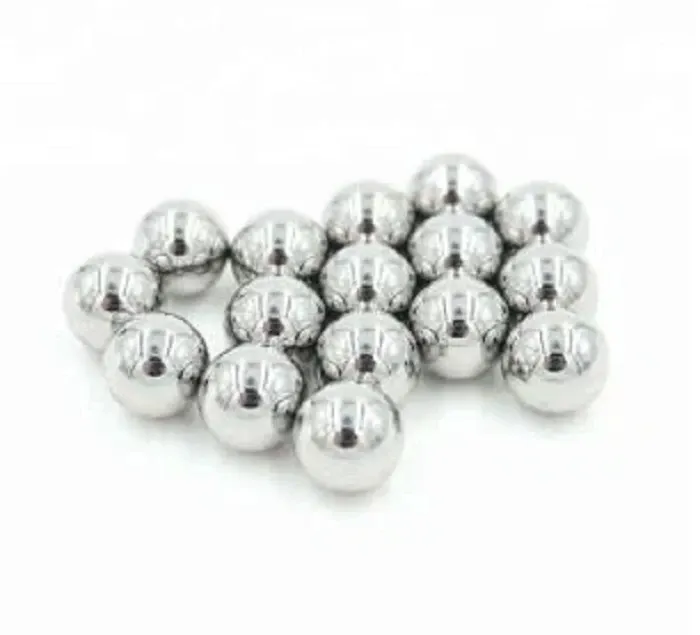
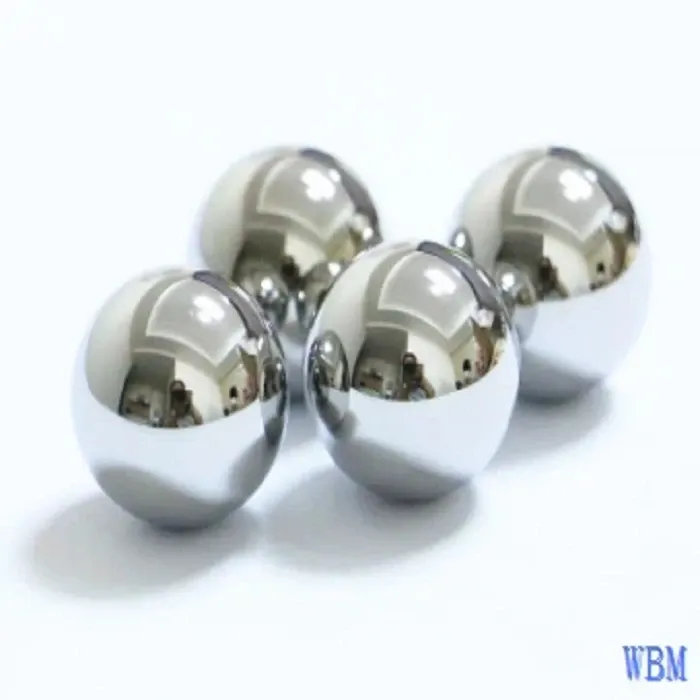
Factors Affecting the Galling Resistance of Din 5401 Steel Balls
Material Composition
The composition of Din 5401 steel balls is a primary factor influencing their galling resistance. Din 5401 steel typically contains specific amounts of carbon, chromium, and other alloying elements. Carbon provides hardness to the steel, which is essential for resisting wear and deformation. Chromium, on the other hand, forms a passive oxide layer on the surface of the steel ball, which helps to protect it from corrosion and galling.
The precise balance of these elements is crucial. For instance, if the carbon content is too high, the steel may become brittle, which can actually reduce its galling resistance. Conversely, if the chromium content is insufficient, the protective oxide layer may not form effectively, leaving the steel ball more susceptible to galling.
Surface Finish
The surface finish of Din 5401 steel balls also plays a vital role in their galling resistance. A smooth surface finish reduces the contact area between the steel ball and the mating surface, which in turn reduces the likelihood of adhesion and galling. High - precision grinding and polishing processes are used to achieve the desired surface finish.
The roughness of the surface is typically measured in micrometers. A lower surface roughness value indicates a smoother surface. For Din 5401 steel balls used in high - performance applications, the surface roughness may be as low as a few tenths of a micrometer.
Heat Treatment
Heat treatment is another critical factor in enhancing the galling resistance of Din 5401 steel balls. Processes such as quenching and tempering can significantly improve the hardness and toughness of the steel. Quenching involves rapidly cooling the steel from a high temperature, which transforms the microstructure of the steel and increases its hardness. Tempering is then carried out to relieve the internal stresses created during quenching and to improve the toughness of the steel.
Proper heat treatment can result in a fine - grained microstructure, which is more resistant to galling. The heat treatment parameters, such as temperature, time, and cooling rate, need to be carefully controlled to achieve the optimal balance of hardness and toughness.
Importance of Galling Resistance in Applications
Rolling Element Bearings
One of the most common applications of Din 5401 steel balls is in rolling element bearings. In bearings, the steel balls roll between the inner and outer races, transmitting loads and reducing friction. High galling resistance is essential to ensure the long - term performance and reliability of the bearings.
If galling occurs in a bearing, it can lead to increased noise, vibration, and heat generation. This can ultimately cause the bearing to fail prematurely, resulting in costly downtime and repairs. For example, in industrial machinery, a bearing failure due to galling can disrupt the entire production process.
Ball Screws
Ball screws are used in precision positioning systems, such as CNC machines and robotics. The steel balls in ball screws are responsible for converting rotational motion into linear motion with high accuracy. Galling resistance is crucial in ball screws to maintain the smooth operation and precision of the system.
A ball screw with poor galling resistance may experience increased friction and wear, which can lead to a loss of positioning accuracy. This can affect the quality of the products manufactured by the CNC machine or the performance of the robotic system.
Our Offerings as a Din 5401 Steel Ball Supplier
As a supplier of Din 5401 steel balls, we are committed to providing high - quality products with excellent galling resistance. We use advanced manufacturing processes and strict quality control measures to ensure that our steel balls meet the highest standards.
Our Large Steel Ball range is designed for heavy - duty applications where high load - carrying capacity and galling resistance are required. These large steel balls are carefully manufactured to have the optimal material composition, surface finish, and heat treatment.
We also offer a wide selection of Metal Ball products. Our metal balls are made from high - quality materials and are available in various sizes and specifications to meet the diverse needs of our customers.
In addition, our Stainless Steel Ball products are known for their excellent corrosion resistance and galling resistance. Stainless steel balls are particularly suitable for applications in harsh environments where corrosion and galling are major concerns.
Contact Us for Procurement
If you are in need of high - quality Din 5401 steel balls with excellent galling resistance, we invite you to contact us for procurement. Our team of experts is ready to assist you in selecting the right products for your specific applications. Whether you are in the automotive, aerospace, or machinery manufacturing industry, we have the solutions to meet your needs.
References
- "Handbook of Tribology: Materials, Coatings, and Surface Treatments" by Bhushan, Bharat.
- "Metallurgy and Materials Science" textbooks covering steel properties and heat treatment.
- Industry standards and research papers related to Din 5401 steel and galling resistance.