
Hey there! As a supplier of Cold Heading Dies, I've spent a ton of time thinking about the relationship between cold heading dies and cold heading machines. It's a topic that might not seem super exciting at first glance, but trust me, it's crucial in the manufacturing world.
First off, let's break down what each of these things is. Cold heading machines are like the workhorses of the metal - forming industry. They're designed to shape metal at room temperature, which is way more energy - efficient than heating the metal up. These machines use high - pressure forces to transform wire or rod stock into various shapes. They're used to make all sorts of parts, from small fasteners like screws and bolts to more complex components for the automotive and aerospace industries.
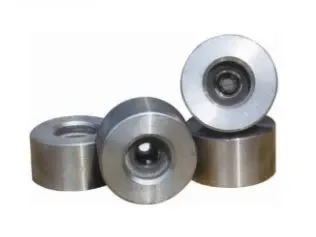
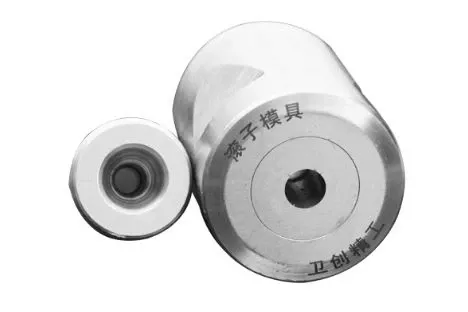
On the other hand, cold heading dies are the tools that make the magic happen inside the cold heading machine. They're custom - made to give the metal its specific shape. Think of them as the molds that the metal is squeezed into. Without the right dies, the cold heading machine would be pretty useless.
The relationship between the two is kind of like a dance. The cold heading machine provides the power and the motion, while the cold heading dies provide the form. When you get the combination just right, you can produce high - quality parts at a rapid pace.
Let's talk about how they work together in the production process. The cold heading machine starts by feeding the metal wire or rod into the die cavity. The machine then applies a high - pressure force, usually through a punch. The die, which is precisely engineered, guides the metal to take on the desired shape. It's a very precise operation. If the die isn't made accurately, the part won't come out right.
For example, if you're making a bolt, the cold heading die will have a cavity that's shaped like the head of the bolt. The machine will push the metal into this cavity, forming the bolt head. Then, additional dies can be used to form the shank and the threads.
Now, one of the most important aspects of this relationship is compatibility. The cold heading dies need to be perfectly matched to the cold heading machine. Different machines have different specifications in terms of force, speed, and stroke length. The dies need to be designed to withstand these conditions. If the die is too weak for the machine's force, it will break or wear out quickly. On the other hand, if the die is too large or too small for the machine's workspace, it won't fit properly, and the production process will be disrupted.
As a Cold Heading Dies supplier, I've seen firsthand how important it is to understand the customer's machine. When a customer comes to me looking for dies, I always ask them about their machine's specifications. This helps me design and manufacture dies that will work seamlessly with their equipment.
Another factor in the relationship is maintenance. Both the cold heading machine and the cold heading dies need regular maintenance. The machine needs to be serviced to ensure that it's operating at peak performance. The dies, too, need to be maintained. They can wear out over time due to the high - pressure forces and the friction with the metal. If the dies aren't maintained, the quality of the parts will decline. You might start to see things like rough surfaces, incorrect dimensions, or even cracks in the parts.
Let's take a look at some of the different types of cold heading dies and how they interact with the machines. One common type is the Carbidecut Off Die COD. This die is used to cut the metal wire or rod to the right length before it's formed into a part. It works in conjunction with the cold heading machine's feeding system. The machine feeds the wire, and the Carbidecut Off Die COD cuts it at the appropriate time.
Then there's the Tungsten Carbide Die. Tungsten carbide is a very hard and wear - resistant material. Dies made from tungsten carbide can withstand the high - pressure forces in the cold heading process. They're often used for high - volume production because they last longer. The cold heading machine can run for longer periods without having to replace the dies, which increases productivity.
The Quill COD is another important type of die. It's used in the cold heading process to form the part's shape. The cold heading machine applies force to the metal through the Quill COD, and the die guides the metal to take on the desired form.
In addition to compatibility and maintenance, cost - effectiveness is also a key aspect of the relationship between cold heading dies and cold heading machines. High - quality dies might cost more upfront, but they can save you money in the long run. They last longer, which means fewer replacements. And because they produce high - quality parts, there's less waste and rework. This all adds up to a more cost - effective production process.
As a supplier, I'm always looking for ways to improve this relationship. I'm constantly researching new materials and manufacturing techniques for the dies. For example, using advanced coatings on the dies can reduce friction and wear, which extends the die's lifespan and improves the quality of the parts.
I also work closely with my customers to understand their specific needs. Whether they're a small - scale manufacturer or a large - scale production facility, I want to provide them with the best - fitting cold heading dies for their machines. This might involve custom - designing dies to meet their unique requirements.
In conclusion, the relationship between cold heading dies and cold heading machines is a complex but essential one. They rely on each other to produce high - quality metal parts efficiently. As a Cold Heading Dies supplier, I'm dedicated to ensuring that this relationship works smoothly for my customers.
If you're in the market for cold heading dies and want to discuss how they can work with your cold heading machine, I'd love to have a chat. Whether you're looking for standard dies or custom - made ones, I can help you find the right solution for your production needs.
References
- Smith, J. (2018). "Advanced Cold Heading Techniques". Manufacturing Press.
- Johnson, A. (2020). "The Role of Dies in Metal Forming". Industrial Journal.