
What comes to mind when you think of weldable steel balls? Well, as a supplier in this field, I've got a lot to share about what makes a good weldable steel ball. Let's dive right into the quality standards that matter most.
Chemical Composition
The chemical makeup of a weldable steel ball is the first thing to check. Carbon content is super important. It affects the hardness and strength of the ball. A suitable carbon level usually ranges from 0.1% to 0.3%. Too much carbon, and the balls can become brittle, which is a no - no for welding. On the other hand, if the carbon content is too low, the strength won't be up to par.
Alloying elements like manganese, silicon, and chromium also play crucial roles. Manganese helps in deoxidizing the steel and improves its strength and toughness. Silicon is used as a deoxidizer too and can enhance the hardness and elasticity of the steel. Chromium can increase the corrosion resistance of the balls, making them last longer in harsh environments.
When we produce these weldable steel balls, we strictly control the chemical composition to meet the required standards. We use advanced testing methods to analyze the elements in each batch of steel balls to ensure their quality.
Mechanical Properties
How the weldable steel balls perform under stress is a key aspect of their quality. Tensile strength is a major factor. It refers to the maximum stress the ball can withstand before breaking. A high - quality weldable steel ball should have a tensile strength within a certain range, usually around 400 - 600 MPa. This ensures that the ball can handle the forces during welding and in subsequent applications.
Yield strength is another property to watch. It indicates the stress at which the steel begins to deform plastically. For weldable steel balls, we want a proper yield strength so that they can maintain their shape during normal use. Ductility is also crucial. A ball with good ductility can be bent and shaped without cracking. This is especially important when welding, as the heat can put stress on the ball and it needs to be able to adapt.
Surface Quality
The surface of a weldable steel ball can't be overlooked. First off, it should be smooth. Rough surfaces can cause problems during welding, as they may trap air or impurities, leading to weak weld joints. Any cracks, pits, or scratches on the surface are red flags. Minor imperfections might seem okay, but they can expand under stress and compromise the integrity of the ball.
We make sure to inspect the surface of every single ball we supply. We use high - precision measurement tools to check the surface roughness and look for any signs of damage. Besides, the surface finish should be consistent across the entire batch of balls. If there are variations, it can lead to inconsistent welding results.
Dimension Accuracy
Getting the dimensions right is vital. The diameter of the weldable steel ball needs to be accurate within a very tight tolerance. For most applications, a tolerance of ±0.01mm is common. If the ball is too big or too small, it can affect the fit and function of the final welded product.
Roundness is also a critical factor. A perfectly round ball ensures uniform welding and proper distribution of forces. Any deviation from a perfect sphere can cause uneven stress during welding and use. We invest in state - of - the - art machining and measuring equipment to guarantee the dimension accuracy and roundness of our weldable steel balls.
Weldability
As the name suggests, weldability is the heart of what makes a good weldable steel ball. The ball should be able to form a strong and reliable weld joint. It should have a low susceptibility to cracking during the welding process. This means that the steel's thermal expansion and contraction properties need to be well - balanced.
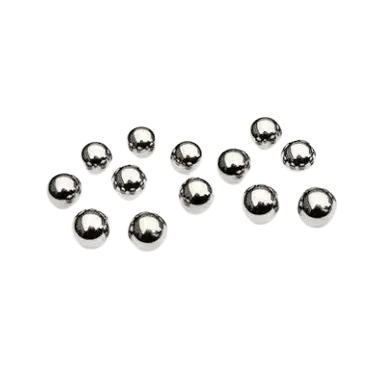
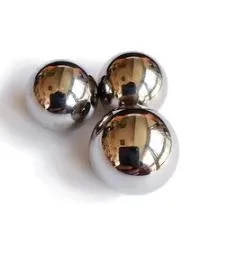
The steel should also be compatible with common welding methods, such as arc welding and gas welding. We test the weldability of our steel balls in various welding conditions to ensure that they can meet the real - world requirements of our customers. By doing so, we can guarantee that our balls will perform well when it comes to actual welding jobs.
Corrosion Resistance
In many applications, weldable steel balls will be exposed to different environments, and corrosion resistance is key. If a ball corrodes, it can weaken the weld joint and the overall structure. Stainless steel balls are a popular choice because of their excellent corrosion resistance. They contain a certain percentage of chromium, which forms a passive oxide layer on the surface, protecting the steel from rust and other forms of corrosion.
However, other types of steel balls, like carbon steel balls, can also be treated to enhance their corrosion resistance. We offer various surface treatments, such as galvanizing or coating, to improve the durability of our carbon steel balls. This way, our customers can choose the most suitable option based on their specific needs.
Quality Control in Production
At our production facility, we have a comprehensive quality control system in place. From the moment the raw materials arrive, we start inspecting them. We check the chemical composition of the steel to make sure it meets the required standards. During the manufacturing process, we monitor every step, from forging to heat treatment.
We use non - destructive testing methods, like ultrasonic testing and magnetic particle testing, to detect any internal defects in the balls. After the balls are finished, we conduct a final inspection. We check the surface quality, dimension accuracy, and mechanical properties one more time to ensure that only the best - quality balls leave our factory.
Comparison with Non - Weldable Steel Balls
It's worth comparing weldable steel balls with non - weldable ones. Non - weldable steel balls may focus more on other properties, such as high hardness or wear resistance. But weldable steel balls have to balance multiple aspects, including weldability, while still maintaining good mechanical and physical properties.
For example, non - weldable balls may be made from high - carbon steel, which is very hard but difficult to weld. Weldable steel balls, on the other hand, are formulated to be able to withstand the heat and stress of welding without sacrificing too much in other areas.
Meeting Different Customer Needs
We understand that different customers have different needs. Some may need small - sized weldable steel balls for precision welding jobs, while others may require large - diameter balls for heavy - duty applications. We offer a wide range of sizes and materials to meet these diverse needs.
Whether you need stainless steel balls for a corrosion - resistant project or carbon steel balls for a more cost - effective solution, we've got you covered. We can also customize the steel balls according to your specific requirements, such as special chemical compositions or surface finishes.
Conclusion
So, there you have it - a detailed look at the quality standards for weldable steel balls. From the chemical composition to the surface quality, every aspect plays a crucial role in ensuring the performance and reliability of these balls. As a supplier, we're committed to providing the highest - quality weldable steel balls that meet or exceed industry standards.
If you're in the market for weldable steel balls, don't hesitate to reach out. We can offer you professional advice on the best type of balls for your project and provide you with a quote. Let's start a conversation about how our high - quality steel balls can meet your needs.
References
- Smith, J. (2018). Steel Manufacturing Principles. Publisher ABC.
- Johnson, M. (2020). Welding of Steel Alloys. Publisher XYZ.