
As a dedicated supplier of taper rollers, I understand the paramount importance of quality control in the manufacturing process. Taper rollers are critical components used in various industries, including automotive, aerospace, and heavy machinery. Ensuring their high quality is not only a matter of meeting industry standards but also a commitment to customer satisfaction and safety. In this blog post, I will delve into the comprehensive quality control process for taper rollers, sharing insights from my experience in the field.
Raw Material Inspection
The quality control journey begins with the inspection of raw materials. The choice of materials significantly impacts the performance and durability of taper rollers. We carefully select high - quality steel, typically bearing steel, which has excellent hardness, toughness, and wear resistance.
Upon receiving the raw materials, we conduct a series of tests. Chemical analysis is performed to verify that the steel composition meets the specified standards. This involves determining the content of elements such as carbon, chromium, and manganese, as their proportions can affect the material's mechanical properties. For example, an appropriate carbon content is crucial for achieving the desired hardness after heat treatment.
In addition to chemical analysis, we also carry out physical inspections. The raw material is examined for surface defects, such as cracks, pits, or inclusions. Non - destructive testing methods, like ultrasonic testing and magnetic particle inspection, are employed to detect internal flaws that may not be visible to the naked eye. Only when the raw materials pass all these inspections are they approved for further processing.
Machining Process Control
Once the raw materials are approved, the machining process commences. Taper rollers are manufactured through a series of machining operations, including turning, grinding, and lapping. Each step requires strict quality control to ensure the dimensional accuracy and surface finish of the rollers.
During the turning process, we use advanced CNC (Computer Numerical Control) machines to precisely shape the rollers. The cutting tools are carefully selected and monitored to maintain the correct cutting parameters, such as cutting speed, feed rate, and depth of cut. Regular measurements are taken using precision measuring instruments, such as calipers and micrometers, to ensure that the dimensions of the rollers are within the specified tolerance range.
Grinding is a crucial step in achieving the required surface finish and dimensional accuracy. We use high - precision grinding machines equipped with diamond wheels. The grinding process is closely monitored to control the surface roughness and roundness of the rollers. The coolant used during grinding is also regularly checked to ensure its effectiveness in cooling and lubricating the grinding process, which helps prevent overheating and surface damage.
Lapping is the final machining operation that further improves the surface finish and flatness of the rollers. It involves using a lapping compound and a lapping plate to gently remove any remaining surface irregularities. Quality control during lapping includes monitoring the lapping time, pressure, and the quality of the lapping compound to ensure consistent results.
Heat Treatment Quality Assurance
Heat treatment is a vital process that enhances the hardness, strength, and wear resistance of taper rollers. The heat treatment process typically consists of quenching and tempering.
During quenching, the rollers are heated to a specific temperature and then rapidly cooled in a quenching medium, such as oil or water. The cooling rate is carefully controlled to achieve the desired microstructure and hardness. To ensure the quality of quenching, we use temperature sensors to monitor the heating and cooling process in real - time. Any deviation from the specified temperature and cooling rate can lead to undesirable properties, such as cracking or uneven hardness.
After quenching, the rollers undergo tempering to relieve internal stresses and improve their toughness. The tempering temperature and time are precisely controlled based on the material and the required properties of the rollers. We conduct hardness testing on a sample of rollers after heat treatment to verify that the hardness meets the specified standards. Non - destructive testing methods are also used to check for any internal cracks or defects that may have occurred during the heat treatment process.
Final Inspection and Testing
Once the machining and heat treatment processes are completed, the taper rollers undergo a final inspection and testing phase. This phase is designed to ensure that the rollers meet all the required quality standards before they are shipped to customers.
Visual inspection is the first step in the final inspection process. Trained inspectors carefully examine the rollers for any surface defects, such as scratches, dents, or discoloration. Any rollers with visible defects are immediately rejected.
Dimensional inspection is then carried out using precision measuring equipment. The diameter, length, taper angle, and other critical dimensions of the rollers are measured to ensure they are within the specified tolerance range. This is crucial as even a slight deviation in dimensions can affect the performance of the rollers in the application.
In addition to dimensional inspection, we also conduct functional testing on the rollers. For example, we test the rollers for their rotational performance, including smoothness of rotation and the presence of any abnormal noises. Fatigue testing is also performed to simulate the real - world operating conditions and evaluate the durability of the rollers.
Documentation and Traceability
Throughout the quality control process, detailed documentation is maintained for each batch of taper rollers. This documentation includes information about the raw materials, machining processes, heat treatment parameters, inspection results, and testing data. The documentation serves as a record of the quality control measures taken and provides traceability in case of any quality issues or customer inquiries.
Each roller is also marked with a unique identification code, which allows us to trace its entire production history. This traceability system enables us to quickly identify and address any quality problems, ensuring that only high - quality rollers reach our customers.
Comparison with Other Roller Types
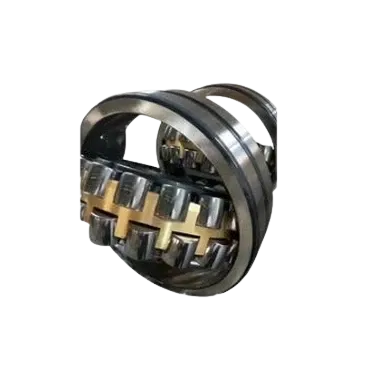
Taper rollers have distinct advantages over other types of rollers, such as Spherical Roller and Spherical Roller. Taper rollers are designed to handle both radial and axial loads effectively, making them suitable for applications where complex load conditions exist. In contrast, spherical rollers are more suitable for applications that require self - alignment and can tolerate misalignment.
The design of taper rollers is also optimized for high - speed and high - load applications. The Taper Roller Disign allows for efficient distribution of loads, reducing stress concentrations and improving the overall performance and lifespan of the rollers.
Conclusion
In conclusion, the quality control process for taper rollers is a comprehensive and multi - stage process that involves strict inspection and testing at every step, from raw material selection to final product delivery. As a taper roller supplier, we are committed to upholding the highest quality standards to ensure the reliability and performance of our products.

If you are in the market for high - quality taper rollers, I invite you to reach out to us for a procurement discussion. We are confident that our rigorous quality control process will meet your expectations and provide you with the best - in - class taper rollers for your applications.
References
- ASM Handbook, Volume 11: Failure Analysis and Prevention
- Machinery's Handbook, 31st Edition
- ISO Standards for Rolling Bearings