
Hey there! As a steel ball supplier, I often get asked about the quality control process for steel balls. It's a crucial topic, especially for those in industries that rely on these little round wonders for various applications. So, let's dive right in and explore what goes into ensuring top - notch quality for steel balls.
Raw Material Inspection
The quality control journey starts with the raw materials. We can't make great steel balls if we don't start with high - quality steel. When the raw steel arrives at our facility, we conduct a series of tests. First off, we check the chemical composition. Using advanced spectrometers, we analyze the percentages of elements like carbon, manganese, silicon, and others. This is super important because the right chemical makeup determines the ball's hardness, toughness, and corrosion resistance.
For example, a Chorme Steel Ball has a specific chromium content that gives it enhanced wear resistance. If the chromium levels are off, the ball won't perform as expected. We also look at the physical properties of the raw steel. We check for things like density and grain structure. A uniform grain structure is key for a ball's strength and durability. Any signs of impurities or irregularities in the raw material can lead to defects in the final product, so we're really strict about this initial inspection.
Manufacturing Process Monitoring
Once the raw materials pass inspection, it's time to start making the steel balls. The manufacturing process is a multi - step one, and we monitor each stage closely. The first step is usually cutting the steel into small pieces, which will later be formed into balls. During this cutting process, we make sure the size of the pieces is accurate. Even a tiny deviation in size at this stage can cause problems down the line.
Next, the pieces are heated and forged into a spherical shape. This forging process is critical as it helps to improve the ball's internal structure. We use temperature sensors to ensure that the steel is heated to the right temperature. If it's too hot, the steel can become brittle, and if it's too cold, the forging won't be effective.
After forging, the balls go through a grinding and lapping process. This is where we really start to shape them into the smooth, precise balls that our customers need. We use high - precision grinding machines, and we constantly measure the diameter and roundness of the balls. We aim for a very tight tolerance, usually within a few microns. Any ball that doesn't meet these specifications is removed from the production line.
Heat Treatment Control
Heat treatment is another crucial part of the quality control process. After the balls are formed, they go through a heat treatment cycle to achieve the desired hardness and toughness. There are different types of heat treatments, such as quenching and tempering.
During quenching, the balls are rapidly cooled in a quenching medium, like oil or water. This process hardens the steel, but it also creates internal stresses. That's why tempering is so important. Tempering involves reheating the balls to a lower temperature to relieve those internal stresses and improve the ball's ductility.
We use specialized furnaces for heat treatment, and we closely monitor the temperature and time parameters. We also perform hardness tests on a sample of the heat - treated balls. We use a hardness tester, like a Rockwell or Brinell tester, to make sure the balls have the right hardness. If the hardness is too high, the balls can be prone to cracking, and if it's too low, they won't be wear - resistant enough.
Surface Finish Inspection
The surface finish of a steel ball is not just about looks; it's also about performance. A smooth surface is essential for reducing friction and wear, especially in applications like bearings. We use a variety of methods to inspect the surface finish.
One common method is visual inspection. We use magnifying glasses and microscopes to look for any surface defects, such as cracks, pits, or scratches. Even a small scratch can cause problems in high - precision applications. We also use surface roughness testers to measure the smoothness of the ball's surface. We aim for a very low surface roughness value, which means a really smooth surface.
For some applications, like in the food or medical industries, we also need to make sure the surface is clean and free from contaminants. We use ultrasonic cleaning and other cleaning methods to remove any dirt or debris from the balls, and then we conduct tests to ensure that the surface is clean.
Dimensional and Geometric Inspection
Accurate dimensions and geometric properties are a must for steel balls. We use a range of measuring tools to check these aspects. For diameter measurement, we use micrometers and calipers. These tools allow us to measure the diameter of the balls with high precision.
We also check the roundness of the balls. A perfectly round ball is essential for proper functioning in most applications. We use roundness measuring machines that can detect even the slightest deviation from a perfect circle. In addition to diameter and roundness, we also check the sphericity of the balls. Sphericity refers to how closely the ball conforms to a true sphere. Any deviation in sphericity can affect the ball's performance, so we're really careful about this.
Final Quality Assurance
Once the balls have gone through all the manufacturing and inspection processes, it's time for a final quality assurance check. We take a random sample of the finished balls and subject them to a battery of tests. We repeat the dimensional and surface finish inspections to make sure that everything is still within the required specifications.
We also conduct performance tests. For example, we test the balls for their load - carrying capacity. We use specialized equipment to apply a controlled load to the balls and see how they perform under pressure. We also test for corrosion resistance, especially for balls that will be used in harsh environments. We expose the balls to corrosive substances and monitor how they react over time.
Any balls that don't pass these final tests are not shipped to our customers. We have a strict no - tolerance policy for defective products. We know that our customers rely on our steel balls for their own products, and we don't want to let them down.
Types of Steel Balls and Their Specific Quality Requirements
We offer different types of steel balls, each with its own specific quality requirements. For example, Metal Ball can be made from various metals, and the quality control process may vary depending on the metal used. Some metals are more prone to corrosion than others, so we pay extra attention to corrosion - resistant coatings and treatments for these types of balls.
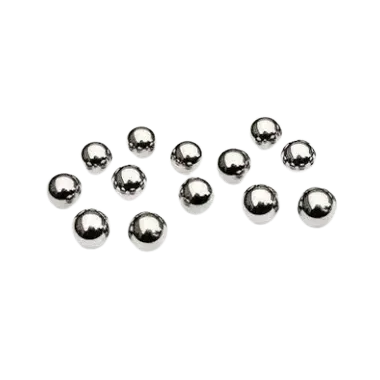
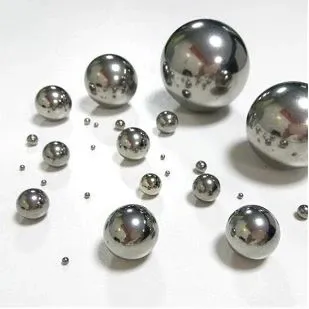
Carbon Steel Ball is another popular type. Carbon steel balls are known for their strength and affordability. However, they require careful control of the carbon content during the manufacturing process. Too much carbon can make the balls brittle, while too little can reduce their hardness.
Chorme Steel Balls, as I mentioned earlier, have specific requirements for chromium content. We make sure that the chromium is evenly distributed throughout the ball to ensure consistent performance. Each type of steel ball has its own unique set of quality parameters, and we adjust our quality control process accordingly.
Conclusion
So, that's a rundown of the quality control process for steel balls. It's a comprehensive and rigorous process that involves multiple steps and tests. From the initial inspection of the raw materials to the final performance tests, we're committed to providing our customers with the highest - quality steel balls.
If you're in the market for steel balls, whether it's Metal Ball, Chorme Steel Ball, or Carbon Steel Ball, we'd love to talk to you. Our quality control process ensures that you'll get a product that meets your exact requirements. Don't hesitate to reach out to us for more information or to start a procurement discussion. We're here to help you find the perfect steel balls for your application.
References
- "Handbook of Steel Ball Manufacturing"
- "Quality Control in Metal Manufacturing Processes"
- Industry - specific standards and guidelines for steel ball production