
Hey there! As a supplier of precision steel balls, I often get asked about the price range of these little but super important components. So, I thought I'd take a deep dive into this topic and share some insights with you.
First off, it's crucial to understand that the price of precision steel balls can vary widely, and there are several factors at play. Let's start with the material. Different types of steel can be used to make these balls, and each has its own cost implications.
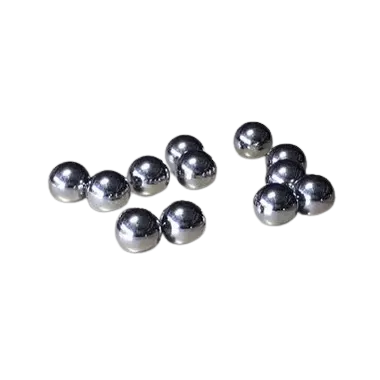
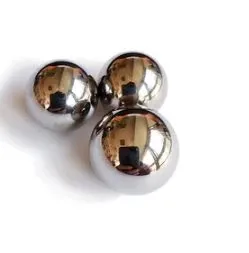
One common type is carbon steel. Carbon Steel Ball are relatively affordable. Carbon steel is widely available and has decent mechanical properties, making it a popular choice for many general applications. The price of carbon steel balls typically starts from a few cents for small-sized balls, say around 1 - 3 mm in diameter. As the size increases, the price goes up, but still, they remain relatively budget - friendly compared to some other materials. For example, a 10 - mm carbon steel ball might cost anywhere from 10 to 50 cents, depending on the quantity you're buying and the quality requirements.
Then we have high chrome steel. High Chrome Steel Balls are known for their high hardness, wear resistance, and corrosion resistance. These properties make them ideal for more demanding applications such as in high - speed bearings, precision machinery, and automotive components. Due to the higher cost of the raw materials and the more complex manufacturing processes involved, high chrome steel balls are pricier. A small 2 - mm high chrome steel ball can cost around 50 cents, and larger sizes, like 20 - mm balls, can set you back anywhere from $5 to $15 each. The price also depends on the grade of high chrome steel. Higher grades with better performance characteristics will naturally cost more.
Size is another major factor influencing the price. Generally speaking, the larger the steel ball, the more expensive it is. Large Steel Ball require more raw material and more complex manufacturing processes. For instance, a small 1 - mm steel ball might cost just a few cents, but a 50 - mm steel ball can cost tens of dollars. The production of large steel balls involves more energy, more precise machining, and more quality control steps, all of which add to the cost.
Quality and precision also play a huge role. Precision steel balls are classified into different grades based on their roundness, surface finish, and dimensional accuracy. Higher - grade balls, with tighter tolerances and better surface finishes, are more expensive. For example, a grade G100 ball (where the lower the grade number, the higher the precision) will cost less than a grade G10 ball. In some cases, the price difference between a low - grade and a high - grade ball of the same size and material can be several times.
The quantity you're purchasing is yet another consideration. Just like with most products, buying in bulk usually gets you a better price per unit. If you're only buying a few steel balls, you'll likely pay a premium. But if you're placing a large order, say for thousands or even millions of balls, you can negotiate a lower price. Suppliers are often willing to offer discounts for large - volume orders to secure long - term business and to take advantage of economies of scale.
Market conditions also have an impact on the price. Fluctuations in the cost of raw materials, such as steel, can cause the price of precision steel balls to go up or down. If there's a shortage of steel in the market, or if the cost of energy used in the manufacturing process increases, the price of steel balls will likely rise. Additionally, competition among suppliers can drive prices down. In a highly competitive market, suppliers may offer more competitive prices and better deals to attract customers.
Now, let's talk about some real - world applications and how the price range fits into them. In the automotive industry, precision steel balls are used in various components like bearings, steering systems, and transmissions. Automotive manufacturers usually require high - quality, precision - grade steel balls. They're willing to pay a bit more for reliability and performance. For example, in a high - end sports car, the steel balls used in the engine's high - speed bearings need to be of the highest quality, so they'll likely be high - grade, high - chrome steel balls, which come with a relatively high price tag.
In the consumer electronics industry, smaller and less expensive steel balls are often used. For instance, in some small motors or precision switches, carbon steel balls in the 1 - 5 mm range are commonly used. These balls don't need to be as precise or as high - quality as those in automotive applications, so they're more budget - friendly.
So, to sum it up, the price range of precision steel balls can be quite broad. It can start from a few cents for small, low - grade carbon steel balls and go up to tens or even hundreds of dollars for large, high - grade, high - chrome steel balls. When you're looking to buy precision steel balls, it's important to consider your specific requirements, such as the application, the required quality, and the quantity you need.
If you're in the market for precision steel balls, whether it's for a small project or a large - scale industrial application, I'd love to have a chat with you. We can discuss your specific needs, and I'll do my best to offer you the most suitable steel balls at a competitive price. Don't hesitate to reach out to me for more information or to start a procurement negotiation. I'm here to help you find the perfect steel balls for your needs.
References
- General knowledge of the steel ball manufacturing industry
- Industry reports on raw material costs and market trends