
As a seasoned needle roller supplier, I've witnessed firsthand the pivotal role these components play across diverse industries. One crucial aspect that often goes under the radar but significantly impacts performance and user experience is the noise level of needle rollers in different applications. In this blog, we'll delve into the factors influencing needle roller noise, explore various applications, and discuss strategies to manage and optimize noise levels.
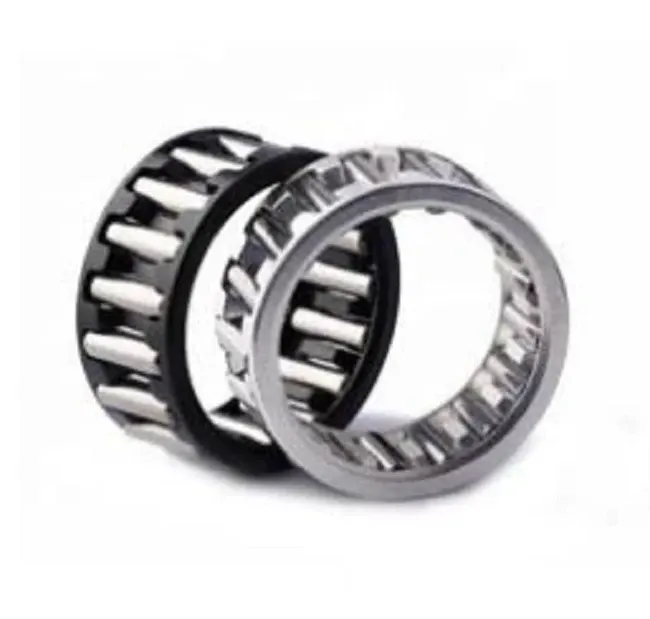
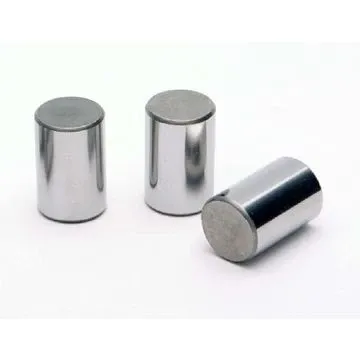
Understanding the Basics of Needle Roller Noise
Before we dive into specific applications, it's essential to understand what causes noise in needle rollers. Noise in rolling elements, including needle rollers, primarily stems from three main sources: mechanical vibrations, surface irregularities, and lubrication conditions.
Mechanical vibrations occur when the needle roller moves within its housing. These vibrations can be exacerbated by factors such as misalignment, uneven loading, or high rotational speeds. Surface irregularities, such as roughness or waviness on the needle roller's surface, can also generate noise as they interact with the mating surfaces. Finally, inadequate or improper lubrication can lead to increased friction and wear, resulting in higher noise levels.
Noise Levels in Different Applications
Automotive Industry
The automotive industry is one of the largest consumers of needle rollers, with applications ranging from engines and transmissions to steering systems and suspension components. In engines, needle rollers are commonly used in camshafts, crankshafts, and valve trains. The noise level in these applications is critical, as excessive noise can not only affect the driving experience but also indicate potential mechanical problems.
In transmissions, needle rollers are used to support gears and shafts, enabling smooth power transfer. Noise in transmissions can be caused by factors such as gear meshing, bearing misalignment, or inadequate lubrication. To reduce noise in automotive applications, manufacturers often employ advanced design techniques, such as precision machining and surface finishing, to minimize surface irregularities. Additionally, high-quality lubricants are used to reduce friction and dampen vibrations. For more information on our Needle Roller products suitable for automotive applications, please visit our website.
Industrial Machinery
In industrial machinery, needle rollers are widely used in a variety of applications, including machine tools, robotics, and conveyor systems. In machine tools, needle rollers are used to support spindles and axes, ensuring high precision and smooth operation. Noise in machine tools can affect the quality of the machined parts and the overall productivity of the manufacturing process.
In robotics, needle rollers are used in joints and actuators to enable precise movement and positioning. Noise in robotic applications can be particularly problematic, as it can interfere with the robot's sensors and control systems. To reduce noise in industrial machinery, manufacturers often use vibration-damping materials and advanced lubrication technologies. Additionally, proper installation and maintenance practices are essential to ensure optimal performance and minimize noise levels.
Aerospace Industry
The aerospace industry has stringent requirements for noise reduction, as excessive noise can not only affect the comfort of passengers and crew but also pose safety risks. In aircraft engines, needle rollers are used in various components, such as turbine engines and auxiliary power units. The noise level in aerospace applications is carefully controlled through advanced design and manufacturing techniques, as well as the use of high-performance materials and lubricants.
In aerospace actuators, needle rollers are used to support control surfaces and ensure precise movement. Noise in aerospace actuators can be caused by factors such as mechanical wear, hydraulic fluid flow, or electrical interference. To minimize noise in aerospace applications, manufacturers often conduct extensive testing and validation to ensure compliance with strict noise standards. For more information on our Interroll Tapered Roller products suitable for aerospace applications, please visit our website.
Strategies for Noise Reduction
Design Optimization
One of the most effective ways to reduce noise in needle roller applications is through design optimization. This includes selecting the appropriate needle roller size, shape, and material for the specific application. For example, using a larger diameter needle roller can reduce the contact stress and noise level, while a specially designed cage can help to guide the needle rollers and reduce vibrations.
Additionally, optimizing the housing design can also have a significant impact on noise reduction. This includes ensuring proper alignment, providing adequate clearance, and using vibration-damping materials. For more information on our design optimization services, please contact our engineering team.
Surface Treatment
Surface treatment is another important strategy for reducing noise in needle rollers. This includes processes such as grinding, polishing, and coating to improve the surface finish and reduce surface irregularities. For example, a super-finished surface can significantly reduce friction and noise levels, while a coating can provide additional protection against wear and corrosion.
Lubrication Management
Proper lubrication is essential for reducing noise in needle roller applications. This includes selecting the appropriate lubricant for the specific application, ensuring proper lubricant quantity and distribution, and regularly monitoring and maintaining the lubrication system. For example, using a high-quality synthetic lubricant can provide better lubrication performance and reduce noise levels, while proper lubricant filtration can help to remove contaminants and prevent premature wear.
Conclusion
In conclusion, the noise level of needle rollers is a critical factor that can significantly impact the performance and user experience in various applications. By understanding the factors influencing needle roller noise, exploring different applications, and implementing effective noise reduction strategies, manufacturers can ensure optimal performance and reliability of their products.
As a leading Needle Roller supplier, we are committed to providing high-quality products and innovative solutions to meet the diverse needs of our customers. If you have any questions or would like to discuss your specific requirements, please don't hesitate to contact us. We look forward to the opportunity to work with you and help you achieve your goals.
References
- Harris, T. A., & Kotzalas, M. N. (2007). Rolling Bearing Analysis. Wiley.
- Zorzi, C., & Giacopini, A. (2016). Noise and Vibration in Rolling Bearings. Springer.
- ISO 15242-1:2004. Rolling bearings - Vibrating measurement methods - Part 1: Ball bearings. International Organization for Standardization.