
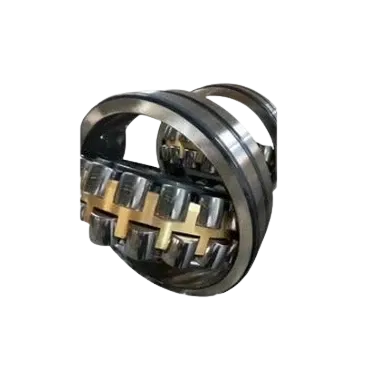
Spherical rollers are a crucial component in many mechanical systems, offering unique advantages in terms of load - bearing capacity, misalignment compensation, and durability. As a spherical roller supplier, I am often asked about the mounting position of spherical rollers. In this blog, I will delve into the details of the mounting position of spherical rollers, exploring its significance, different mounting scenarios, and factors to consider.
Significance of Mounting Position
The mounting position of spherical rollers plays a vital role in the overall performance of a bearing system. Proper mounting ensures that the spherical rollers can effectively distribute loads, reduce friction, and extend the service life of the bearings. Incorrect mounting, on the other hand, can lead to premature wear, increased noise, and even catastrophic failure of the machinery.
One of the key features of spherical rollers is their ability to accommodate misalignment. However, this does not mean that the mounting position can be arbitrary. The correct mounting position is essential for maximizing the benefits of the spherical rollers' design. When spherical rollers are mounted correctly, they can self - align to a certain extent, which helps to maintain smooth operation even when there are slight misalignments in the shaft or housing.
Different Mounting Scenarios
1. Radial Mounting
Radial mounting is one of the most common mounting positions for spherical rollers. In radial mounting, the spherical rollers are installed in a bearing housing in such a way that they primarily support radial loads. Radial loads are forces that act perpendicular to the axis of rotation of the shaft. For example, in a conveyor belt system, the weight of the conveyed materials creates a radial load on the bearings.
When mounting spherical rollers radially, it is important to ensure that the inner ring of the bearing is properly seated on the shaft and the outer ring is correctly installed in the housing. The clearance between the inner and outer rings should be within the specified range. This clearance allows for thermal expansion and ensures that the spherical rollers can move freely within the bearing.
2. Axial Mounting
Axial mounting is used when the bearing needs to support axial loads, which are forces that act parallel to the axis of rotation of the shaft. Spherical rollers can also be used in axial mounting positions, although they are more commonly associated with radial load support. In some applications, such as screw conveyors or axial piston pumps, axial loads are significant, and proper axial mounting of spherical rollers is crucial.
For axial mounting, special consideration must be given to the thrust - carrying capacity of the bearing. The spherical rollers need to be arranged in a way that they can effectively transfer the axial load to the housing. Additionally, the pre - load on the bearing should be carefully adjusted to ensure that the spherical rollers are in proper contact with the raceways and can support the axial load without excessive wear.
3. Combined Radial and Axial Mounting
In many real - world applications, bearings are subjected to both radial and axial loads simultaneously. Combined radial and axial mounting of spherical rollers is often required in such cases. For example, in automotive transmissions, the bearings need to support both the radial loads from the gears and the axial loads from the shifting mechanisms.
When mounting spherical rollers for combined loads, the design of the bearing and the mounting arrangement must be carefully optimized. The internal geometry of the bearing, including the shape and size of the spherical rollers, is designed to handle both types of loads. The mounting position should also be adjusted to ensure that the load distribution is balanced between the radial and axial directions.
Factors Affecting Mounting Position
1. Load Characteristics
The type and magnitude of the loads are the most important factors affecting the mounting position of spherical rollers. As mentioned earlier, radial and axial loads require different mounting approaches. In addition, the dynamic nature of the loads, such as whether they are constant or fluctuating, also impacts the mounting. Fluctuating loads can cause additional stress on the bearings, and the mounting position may need to be adjusted to account for these dynamic effects.
2. Shaft and Housing Design
The design of the shaft and the housing also plays a significant role in determining the mounting position of spherical rollers. The diameter, length, and surface finish of the shaft can affect the fit of the bearing's inner ring. Similarly, the shape, size, and material of the housing can influence the installation of the outer ring. For example, if the housing has a non - standard shape, special mounting techniques may be required to ensure that the spherical rollers are properly positioned.
3. Operating Conditions
Operating conditions such as temperature, speed, and lubrication also affect the mounting position of spherical rollers. High temperatures can cause thermal expansion, which may change the clearance between the bearing components. High - speed operation can generate centrifugal forces that affect the load distribution on the spherical rollers. Proper lubrication is essential to reduce friction and wear, and the mounting position should be adjusted to ensure that the lubricant can reach all the critical areas of the bearing.
Comparison with Other Rolling Elements
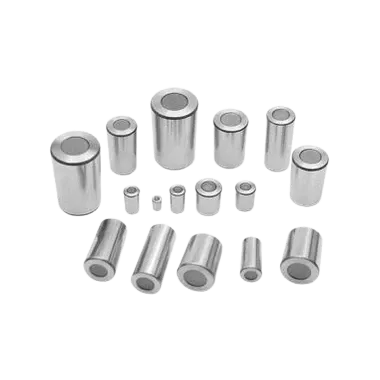
It is also interesting to compare the mounting position of spherical rollers with other types of rolling elements, such as Taper Rollers and Needle Roller.
Taper rollers are designed to support both radial and axial loads more effectively in some cases compared to spherical rollers. They have a conical shape, which allows for a larger contact area with the raceways, resulting in higher load - carrying capacity. However, the mounting of taper rollers is more complex and requires more precise alignment compared to spherical rollers.
Needle rollers, on the other hand, are very small in diameter and are often used in applications where space is limited. They are mainly used for radial load support. The mounting of needle rollers is different from spherical rollers as they require a different type of bearing housing and shaft arrangement.
Conclusion
In conclusion, the mounting position of spherical rollers is a critical aspect of bearing system design. As a spherical roller supplier, I understand the importance of providing accurate information and guidance on mounting positions to our customers. Whether it is radial mounting, axial mounting, or combined mounting, each scenario has its own requirements and considerations.
Proper mounting of spherical rollers ensures optimal performance, reduces maintenance costs, and extends the service life of the bearings. When considering the mounting position, factors such as load characteristics, shaft and housing design, and operating conditions must be taken into account.
If you are in need of high - quality spherical rollers or have questions about their mounting positions, please feel free to contact us for a detailed discussion. We are committed to providing the best solutions for your specific application needs.
References
- Harris, T. A., & Kotzalas, M. N. (2007). Rolling Bearing Analysis. Wiley.
- Zaretsky, E. V. (2013). Ball and Roller Bearing Engineering. CRC Press.