
As a supplier of Conical Rollers, I often encounter inquiries from customers about the maximum speed that these components can reach. This is a crucial question, especially in industries where high - speed operation is essential, such as automotive, aerospace, and high - precision machinery. In this blog, I will delve into the factors that determine the maximum speed of conical rollers and provide some insights based on our experience in the field.
Understanding Conical Rollers
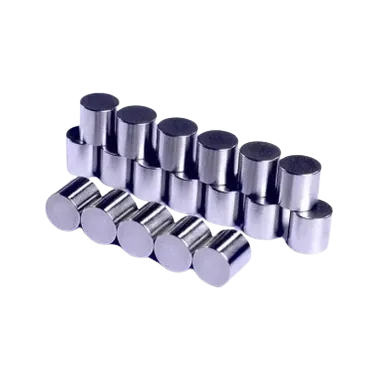
Before discussing the maximum speed, it's important to understand what conical rollers are. Conical rollers, also known as taper rollers, are a type of rolling element used in tapered roller bearings. These bearings are designed to handle both radial and axial loads simultaneously. The conical shape of the rollers allows for a larger contact area compared to other types of rolling elements, which distributes the load more evenly and enhances the bearing's load - carrying capacity. You can learn more about Taper Roller Disign.
Factors Affecting the Maximum Speed of Conical Rollers
1. Material Properties
The material used to manufacture conical rollers plays a significant role in determining their maximum speed. High - quality bearing steels, such as chromium steel or chrome - molybdenum steel, are commonly used due to their excellent hardness, toughness, and wear resistance. These materials can withstand the high stresses and temperatures generated during high - speed operation. For instance, a roller made of a high - grade steel can operate at a higher speed than one made of a lower - quality material because it is less likely to deform or experience premature wear.
2. Lubrication
Proper lubrication is essential for high - speed operation of conical rollers. Lubricants reduce friction between the rollers and the raceways, which in turn reduces heat generation and wear. There are different types of lubricants available, including grease and oil. Grease lubrication is suitable for lower - speed applications, while oil lubrication is preferred for high - speed operations. The viscosity of the lubricant is also crucial; a lubricant with the right viscosity will form a stable film between the contact surfaces, ensuring smooth operation. Inadequate lubrication can lead to increased friction, overheating, and ultimately, failure of the rollers.
3. Design and Manufacturing Precision
The design and manufacturing precision of conical rollers have a direct impact on their maximum speed. A well - designed roller with proper geometry and surface finish will have better contact with the raceways, reducing stress concentrations and improving the overall performance. For example, the taper angle of the roller must be accurately machined to ensure uniform load distribution. Any deviations in the manufacturing process, such as uneven surface roughness or incorrect dimensions, can cause vibrations and noise at high speeds, limiting the maximum achievable speed.
4. Load Conditions
The type and magnitude of the load applied to the conical rollers also affect their maximum speed. Radial and axial loads can generate different stress patterns on the rollers. Higher loads generally require lower operating speeds to prevent excessive wear and deformation. In applications where the load is variable, such as in automotive transmissions, the rollers need to be designed to handle the peak loads while still maintaining a reasonable operating speed.
Calculating the Maximum Speed
Determining the exact maximum speed of conical rollers is a complex process that requires considering all the factors mentioned above. Manufacturers often use empirical formulas and computer - aided simulation techniques to estimate the maximum speed. These calculations take into account the material properties, lubrication conditions, design parameters, and load conditions.
However, it's important to note that the maximum speed specified by the manufacturer is a theoretical value. In real - world applications, factors such as operating environment, maintenance practices, and system dynamics can also influence the actual maximum speed. For example, a dirty or dusty environment can cause abrasive wear on the rollers, reducing their maximum speed.
Industry Standards and Guidelines
There are several industry standards and guidelines that provide recommendations for the maximum speed of conical rollers. These standards are developed by organizations such as the American Bearing Manufacturers Association (ABMA) and the International Organization for Standardization (ISO). Adhering to these standards ensures that the conical rollers are designed and used in a safe and reliable manner.
Our Experience as a Conical Rollers Supplier
At our company, we have extensive experience in manufacturing and supplying high - quality Conical Rollers. We use advanced manufacturing techniques and strict quality control measures to ensure that our rollers meet the highest standards. Our team of engineers and technicians is constantly researching and developing new materials and designs to improve the performance of our conical rollers.
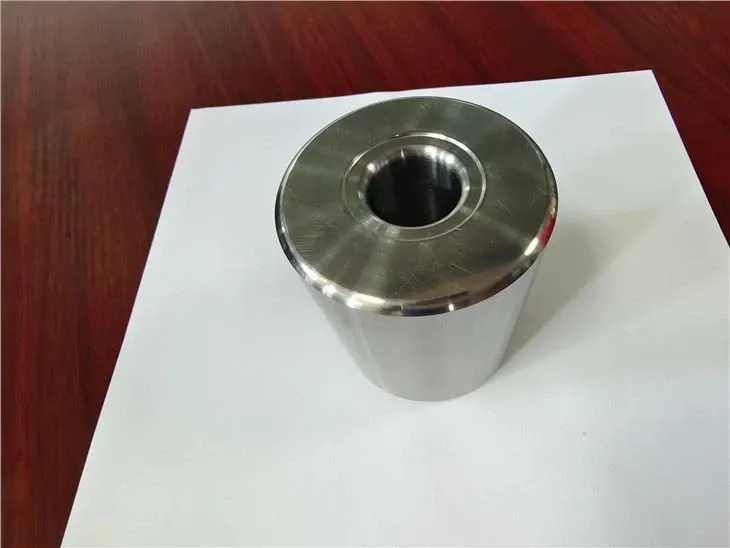
One of our recent innovations is the 2022 New product Taper Roller With Hole in The Center. This design offers several advantages, including better lubrication distribution and reduced weight, which can potentially increase the maximum speed of the rollers.
Case Studies
Let's take a look at some real - world examples to illustrate the importance of understanding the maximum speed of conical rollers.
Automotive Industry
In automotive transmissions, conical rollers are used in the differential and gearbox. These components need to operate at high speeds while transmitting power efficiently. By using high - quality conical rollers with proper lubrication and design, automotive manufacturers can improve the performance and reliability of their vehicles. For example, a well - designed conical roller in a high - performance sports car transmission can handle the high torques and speeds required during acceleration and high - speed driving.
Aerospace Industry
In the aerospace industry, where safety and reliability are of utmost importance, conical rollers are used in various applications, such as aircraft engines and landing gear systems. These applications require rollers that can operate at extremely high speeds and under severe load conditions. Our company has supplied conical rollers to several aerospace companies, and through continuous improvement in material selection and manufacturing processes, we have been able to meet their strict requirements for maximum speed and performance.
Conclusion
The maximum speed that conical rollers can reach is determined by a combination of factors, including material properties, lubrication, design and manufacturing precision, and load conditions. As a supplier of conical rollers, we are committed to providing our customers with high - quality products that meet their specific requirements. By understanding the factors that affect the maximum speed, we can help our customers optimize the performance of their systems.
If you are in need of conical rollers for your application, we invite you to contact us for more information and to discuss your specific needs. Our team of experts is ready to assist you in selecting the right rollers and providing technical support. We look forward to the opportunity to work with you and contribute to the success of your projects.
References
- Harris, T. A., & Kotzalas, M. N. (2007). Rolling Bearing Analysis. Wiley.
- ISO 281:2007, Rolling bearings - Dynamic load ratings and rating life.
- ABMA Standards, American Bearing Manufacturers Association.