
As a supplier of needle rollers, one of the most frequently asked questions I encounter is: "What is the maximum load a needle roller can bear?" This question is not only crucial for engineers and designers in various industries but also for those who rely on the performance and reliability of machinery and equipment. In this blog post, I will delve into the factors that determine the maximum load capacity of needle rollers, explore the different types of loads they can withstand, and provide some insights on how to select the right needle rollers for your specific applications.
Understanding Needle Rollers
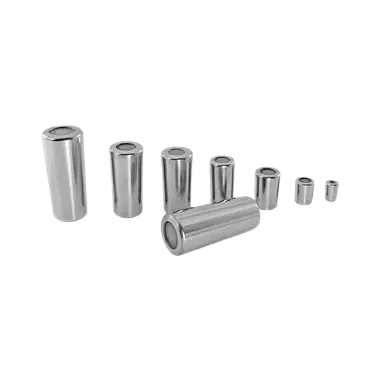
Needle rollers are cylindrical rollers with a small diameter and a long length, typically with a length-to-diameter ratio greater than 4:1. They are used in a wide range of applications, including automotive engines, transmissions, industrial machinery, and aerospace systems. Needle rollers are designed to provide high load-carrying capacity in a compact space, making them ideal for applications where space is limited.
Factors Affecting the Maximum Load Capacity
The maximum load capacity of a needle roller is determined by several factors, including the material properties, the geometry of the roller, the lubrication conditions, and the operating environment. Let's take a closer look at each of these factors:
Material Properties
The material used to manufacture the needle roller plays a crucial role in determining its load-carrying capacity. High-quality bearing steels, such as AISI 52100, are commonly used for needle rollers due to their excellent hardness, toughness, and wear resistance. These materials can withstand high contact stresses and provide long service life under heavy loads.
Geometry of the Roller
The geometry of the needle roller, including its diameter, length, and surface finish, also affects its load-carrying capacity. A larger diameter needle roller can generally carry a higher load than a smaller diameter roller. However, the length of the roller also needs to be considered, as a longer roller may be more prone to bending and deformation under heavy loads. Additionally, a smooth surface finish can reduce friction and wear, improving the overall performance of the needle roller.
Lubrication Conditions
Proper lubrication is essential for ensuring the smooth operation and long service life of needle rollers. Lubricants help to reduce friction, dissipate heat, and prevent wear and corrosion. The type and quality of the lubricant, as well as the lubrication method, can significantly affect the load-carrying capacity of the needle roller. For example, a well-lubricated needle roller can carry a higher load than a dry or poorly lubricated roller.
Operating Environment
The operating environment in which the needle roller is used can also have a significant impact on its load-carrying capacity. Factors such as temperature, humidity, dust, and vibration can all affect the performance and reliability of the needle roller. For example, high temperatures can reduce the hardness and strength of the roller material, while dust and debris can cause abrasion and wear. Therefore, it is important to select needle rollers that are suitable for the specific operating environment.
Types of Loads
Needle rollers can be subjected to different types of loads, including radial loads, axial loads, and combined loads. Let's take a closer look at each of these load types:
Radial Loads
Radial loads are the most common type of load that needle rollers are subjected to. They act perpendicular to the axis of the roller and are typically caused by the weight of the rotating components or the forces generated by the transmission of power. The maximum radial load capacity of a needle roller is determined by its material properties, geometry, and lubrication conditions.
Axial Loads
Axial loads act parallel to the axis of the roller and are typically caused by the thrust forces generated by the rotating components or the forces applied to the shaft. Needle rollers are not designed to carry large axial loads, as they are more prone to tilting and skidding under axial loads. However, some needle roller bearings are designed to withstand limited axial loads in addition to radial loads.
Combined Loads
Combined loads are a combination of radial and axial loads. They can be more complex to analyze and require careful consideration of the design and selection of the needle roller bearing. In some cases, special needle roller bearings may be required to withstand combined loads.
Selecting the Right Needle Rollers
Selecting the right needle rollers for your specific application is crucial for ensuring optimal performance and reliability. Here are some key considerations to keep in mind when selecting needle rollers:
Load Requirements
The first step in selecting the right needle rollers is to determine the load requirements of your application. This includes the magnitude and direction of the loads, as well as the frequency and duration of the loading cycles. Based on this information, you can select needle rollers with the appropriate load-carrying capacity.
Operating Conditions
The operating conditions of your application, such as temperature, speed, and lubrication, also need to be considered when selecting needle rollers. For example, if your application operates at high temperatures, you may need to select needle rollers made from materials that can withstand high temperatures. Similarly, if your application requires high-speed operation, you may need to select needle rollers with a low friction coefficient.
Space Constraints
Space constraints are another important consideration when selecting needle rollers. Needle rollers are designed to provide high load-carrying capacity in a compact space, making them ideal for applications where space is limited. However, you still need to ensure that the needle rollers you select will fit within the available space.
Application Requirements
Finally, you need to consider the specific requirements of your application, such as noise, vibration, and reliability. For example, if your application requires low noise and vibration levels, you may need to select needle rollers with a smooth surface finish and a high-quality cage. Similarly, if your application requires high reliability, you may need to select needle rollers from a reputable manufacturer with a proven track record of quality and performance.
Conclusion
In conclusion, the maximum load a needle roller can bear is determined by several factors, including the material properties, the geometry of the roller, the lubrication conditions, and the operating environment. By understanding these factors and selecting the right needle rollers for your specific application, you can ensure optimal performance and reliability. If you have any questions or need assistance in selecting the right needle rollers for your application, please do not hesitate to contact us. We are a leading supplier of needle rollers and have extensive experience in providing high-quality products and solutions to our customers.
References
- Harris, T. A. (2001). Rolling Bearing Analysis. Wiley-Interscience.
- Zorzi, A., & Giacopini, A. (2018). Rolling Bearing Technology. Springer.
- Stachowiak, G. W., & Batchelor, A. W. (2013). Engineering Tribology. Elsevier.
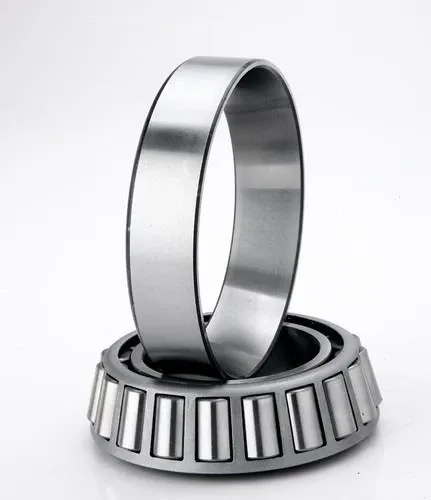
If you're interested in learning more about taper roller design, you can visit Taper Roller Disign. For information on gravity taper rollers, check out Gravity Taper Roller. And if you're curious about spherical rollers, click on Spherical Roller.
If you are in need of high-quality needle rollers for your applications, we invite you to contact us for procurement and further discussion. Our team of experts is ready to assist you in finding the perfect needle roller solutions to meet your specific requirements.