
Hey there! As a supplier of cylindrical rollers, I often get asked about what the heck the load - carrying capacity of cylindrical rollers is. So, I thought I'd sit down and have a good ol' chat about it with you folks.
Let's start from the basics. Load - carrying capacity is the maximum load that a cylindrical roller can handle without experiencing excessive deformation, wear, or failure. It's a crucial factor, especially when you're using these rollers in various industrial applications. Whether it's in heavy - duty machinery, automotive engines, or precision instruments, the load - carrying capacity of cylindrical rollers can make or break the performance of the whole system.
There are several factors that influence the load - carrying capacity of cylindrical rollers. First off, we've got the material. The type of steel used to make the roller plays a huge role. High - quality alloy steels are often preferred because they offer better strength, hardness, and wear resistance. For example, some of the advanced steels we use in our cylindrical rollers can withstand high stress levels, which directly boosts their load - carrying ability.
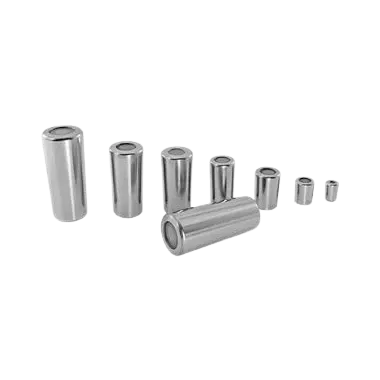
The size and geometry of the roller also matter a great deal. A larger - diameter roller generally has a higher load - carrying capacity than a smaller one. That's because a bigger roller has a larger surface area in contact with the raceway, which distributes the load more evenly. And when it comes to geometry, the length - to - diameter ratio of the roller is important. If this ratio is too high, the roller might be more prone to bending under load, which can reduce its load - carrying capacity.
Another key factor is the surface finish of the roller. A smooth surface finish reduces friction and wear. When there's less friction, the roller can handle higher loads more efficiently. We spend a lot of time and effort on perfecting the surface finish of our cylindrical rollers to ensure they perform at their best.
Now, let's talk about how the load - carrying capacity is measured. Engineers usually use complex mathematical models and tests to determine this. One common way is to use the static load - carrying capacity formula. This formula takes into account the shape of the roller, the material properties, and the contact conditions. But in real - world applications, dynamic loads come into play. Dynamic loads are different from static loads because they involve the movement and acceleration of the roller. To account for this, we also perform dynamic load tests, where we simulate the actual working conditions of the roller.
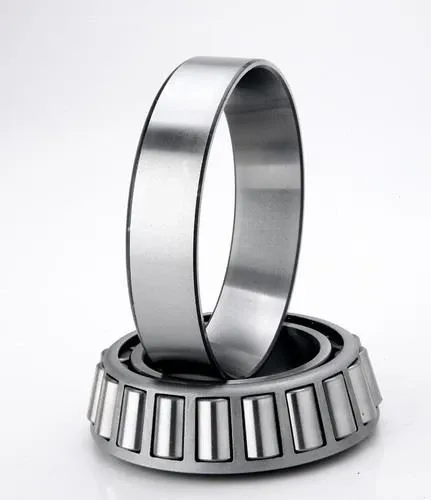
Comparing cylindrical rollers with other types of rollers can give us a better perspective on their load - carrying capacity. For instance, if you look at Gravity Taper Roller, they are designed in a tapered shape. This shape allows them to handle both radial and axial loads more effectively in some cases. However, cylindrical rollers are often better at handling purely radial loads over a large contact area.
The Taper Roller Disign is another interesting option. Tapered rollers are designed to distribute loads more evenly along their length, which can be beneficial in applications where the load is not uniformly distributed. But cylindrical rollers can be more straightforward in terms of installation and maintenance in some situations, especially when the load is more predictable.
And then there's the Needle Roller. Needle rollers are small - diameter and long, which gives them a high load - carrying capacity in relation to their size. They are often used in applications where space is limited. However, cylindrical rollers can offer better stability and can handle larger loads in some high - capacity applications.
In actual industrial scenarios, understanding the load - carrying capacity of cylindrical rollers is not just about the technical details. It can have a significant impact on cost - efficiency. If you choose a roller with a load - carrying capacity that's too low for your application, you might face frequent failures and replacements. On the other hand, if you go for a roller with an overly high load - carrying capacity, you're likely spending more money than you need to.
That's where we, as a cylindrical roller supplier, come in. We have a team of experts who can analyze your specific application requirements. Whether you're dealing with heavy - duty mining equipment or high - precision medical devices, we can help you select the right cylindrical rollers with the appropriate load - carrying capacity.
We've got a wide range of cylindrical rollers in different sizes, materials, and surface finishes. Our products are manufactured using the latest technology and strict quality control standards. So, you can be sure that you're getting top - notch rollers that will perform to your expectations.
If you're in the market for cylindrical rollers and want to learn more about load - carrying capacity or just want to discuss your specific needs, we're here for you. Don't hesitate to reach out for a consultation. We'll be happy to work with you to find the perfect solution for your application.
Let's make your machinery run smoother and more efficiently with the right cylindrical rollers. Contact us today to start the conversation, and let's get your project rolling!
References
- "Rolling Bearing Analysis" by Tedric A. Harris
- "Mechanical Design Handbook" by Myer Kutz