
As a reputable supplier of cross rollers, I've encountered numerous inquiries regarding the load - carrying capacity of these remarkable components. In this blog, I'll delve into the intricacies of what determines the load - carrying capacity of cross rollers, how it impacts various applications, and how our products stand out in this regard.
Understanding Cross Rollers
Cross rollers are a type of rolling element bearing that consists of cylindrical rollers arranged in a cross - pattern. This unique configuration allows them to support both radial and axial loads simultaneously, making them extremely versatile in a wide range of industrial applications. They are commonly used in robotics, machine tools, and precision instruments, where high precision and load - bearing capabilities are essential.
Factors Affecting Load - Carrying Capacity
Material Properties
The material used to manufacture cross rollers plays a crucial role in determining their load - carrying capacity. High - quality bearing steels, such as chromium steel or stainless steel, are often employed due to their excellent hardness, toughness, and wear resistance. These materials can withstand high contact stresses without deforming or failing prematurely. For instance, a cross roller made from a high - grade chromium steel can endure greater loads compared to one made from a lower - quality material.
Roller Geometry
The size and shape of the cross rollers also have a significant impact on their load - carrying capacity. Larger diameter rollers generally have a higher load - carrying capacity because they have a larger contact area with the raceways. Additionally, the length of the rollers and the precision of their machining can affect how the load is distributed. A well - machined roller with a smooth surface finish will distribute the load more evenly, reducing the risk of stress concentrations and premature failure.
Raceway Design
The design of the raceways in which the cross rollers run is another critical factor. The raceways must be precisely machined to ensure proper contact with the rollers. A well - designed raceway can guide the rollers smoothly and evenly distribute the load across the entire contact surface. For example, a raceway with a suitable curvature can prevent the rollers from skewing, which could lead to uneven loading and reduced load - carrying capacity.
Calculating Load - Carrying Capacity
The load - carrying capacity of cross rollers is typically calculated using complex engineering formulas that take into account the factors mentioned above. These calculations involve determining the maximum allowable contact stress between the rollers and the raceways, as well as the dynamic and static load ratings.
The dynamic load rating refers to the maximum load that a cross roller bearing can withstand for a specified number of revolutions without experiencing excessive wear or fatigue. The static load rating, on the other hand, is the maximum load that the bearing can support when it is stationary without causing permanent deformation.
Manufacturers often provide load - rating tables for their cross roller products, which can be used to select the appropriate bearing for a specific application. These tables are based on extensive testing and engineering analysis to ensure accurate and reliable performance.
Applications and Load Requirements
Robotics
In the field of robotics, cross rollers are used in joints and axes to provide precise motion control and support heavy loads. Robots are often required to handle large workpieces or perform tasks that involve high forces. For example, an industrial robot used in automotive manufacturing may need to lift and manipulate heavy car parts. In such applications, cross rollers with a high load - carrying capacity are essential to ensure the robot's stability and accuracy.
Machine Tools
Machine tools, such as lathes and milling machines, also rely on cross rollers to support the cutting forces and ensure precise machining operations. The load - carrying capacity of the cross rollers in these machines directly affects the quality of the finished products. A machine tool with cross rollers that can handle high loads can perform more aggressive cutting operations without sacrificing accuracy.
Precision Instruments
Precision instruments, like optical measuring devices and semiconductor manufacturing equipment, demand cross rollers with high precision and load - carrying capacity. These instruments require extremely accurate motion control and must be able to withstand small but significant loads. For instance, in a semiconductor wafer inspection system, cross rollers are used to move the wafer precisely under the inspection optics. Any deviation in the load - carrying capacity could lead to inaccurate measurements or damage to the delicate components.
Our Cross Roller Products
As a cross roller supplier, we take pride in offering products with exceptional load - carrying capacity. Our cross rollers are made from high - quality materials and are manufactured using state - of - the - art machining processes. We pay close attention to every detail, from the roller geometry to the raceway design, to ensure that our products meet the highest standards of performance.
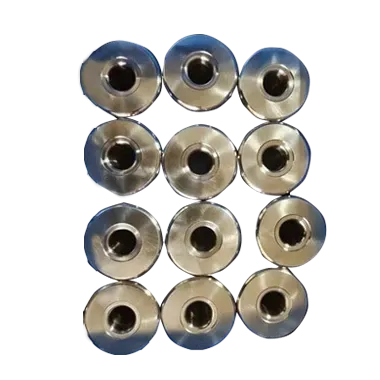
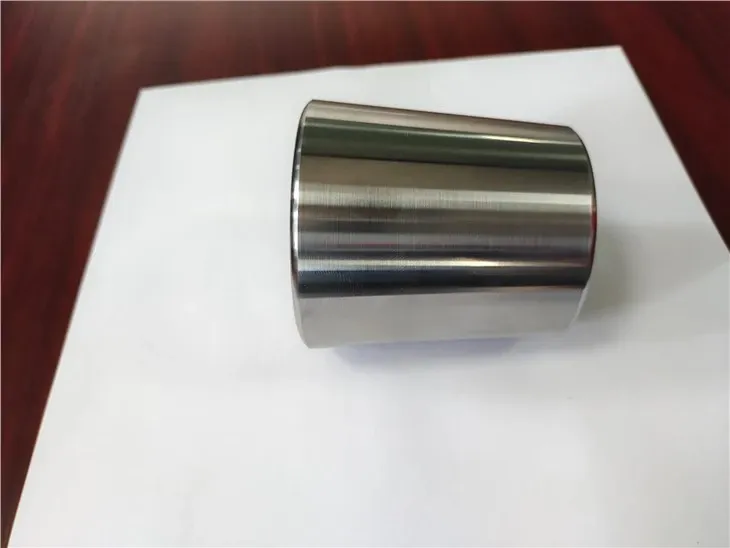
We offer a wide range of cross roller products to suit different applications and load requirements. Whether you need cross rollers for a small - scale precision instrument or a large - scale industrial robot, we have the right solution for you. Our 2022 New product Taper Roller With Hole in The Center is a prime example of our innovative approach to cross roller design. This product features a unique taper roller design with a hole in the center, which provides enhanced load - distribution capabilities and improved performance.
Our Taper Roller Disign is also engineered to optimize load - carrying capacity. The precise taper angle and surface finish of these rollers ensure smooth operation and efficient load transfer.
In addition, our Cylindrical Roller products are known for their high load - carrying capacity and reliability. These rollers are designed to handle heavy radial loads and are suitable for a variety of industrial applications.
Contact Us for Procurement
If you are in need of cross rollers with high load - carrying capacity for your specific application, we encourage you to contact us. Our team of experts is ready to assist you in selecting the right product and providing technical support. We understand the importance of load - carrying capacity in your application and are committed to delivering products that meet your exact requirements. Whether you are a small - scale manufacturer or a large - scale industrial enterprise, we can offer you cost - effective solutions and excellent customer service.
References
- Harris, T. A., & Kotzalas, M. N. (2007). Rolling Bearing Analysis. Wiley.
- Jones, A. R. (1960). Elastohydrodynamic Lubrication of Point Contacts. ASME Journal of Basic Engineering.