
Hey there! As a taper roller supplier, I often get asked about the load - carrying capacity of taper rollers. It's a super important topic, especially for folks in industries that rely on these little wonders. So, let's dive right in and explore what exactly the load - carrying capacity of a taper roller is.
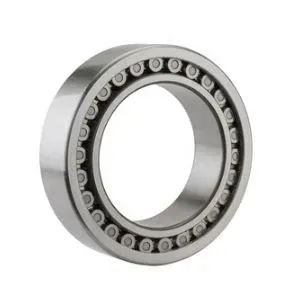
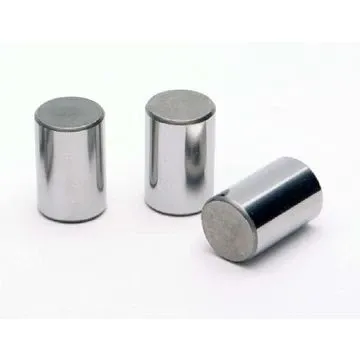
First off, what are taper rollers anyway? Well, they're a type of rolling element that has a conical shape. This unique shape gives them some special characteristics compared to other types of rollers, like Cylindrical Roller. Taper rollers can handle both radial and axial loads simultaneously, which is a big deal in many machinery applications.
The load - carrying capacity of a taper roller is basically the maximum amount of force it can handle before it starts to fail. And there are a bunch of factors that affect this capacity.
One of the major factors is the material of the taper roller. High - quality steel is the go - to material for most taper rollers. Steel offers high strength and good wear resistance. For example, some premium taper rollers are made from a special type of alloy steel that has been heat - treated. This heat treatment process makes the steel harder and more capable of withstanding heavy loads. If the material isn't up to par, the load - carrying capacity can be significantly reduced.
The size of the taper roller also plays a huge role. Generally, larger taper rollers have a higher load - carrying capacity. This is because they have more surface area to distribute the load over. A bigger roller can spread the force across a wider area, reducing the stress on any single point. For instance, if you have a large industrial machine that needs to handle a massive load, you're likely going to want large - sized taper rollers.
The design of the taper roller is another key factor. The angle of the taper, the shape of the ends, and the curvature all impact how the roller distributes the load. A well - designed taper roller will distribute the load evenly, preventing any concentrated stress points that could lead to premature failure. Some advanced designs, like those of Interroll Tapered Roller, are engineered to optimize load distribution and maximize the load - carrying capacity.
The operating conditions also matter a great deal. If the taper roller is operating in a high - temperature environment, the material properties can change. High temperatures can make the steel softer, reducing its strength and thus the load - carrying capacity. Similarly, if the environment is dirty or contaminated with debris, the roller can wear out faster, and its ability to carry loads will decrease.
Now, let's talk about how we calculate the load - carrying capacity of a taper roller. There are some standard formulas and methods used in the industry. These calculations take into account the factors I just mentioned, such as the material properties, size, and design.
The basic formula for calculating the dynamic load - carrying capacity of a taper roller bearing (which includes the taper rollers) is based on the geometry of the roller and the contact stress. The dynamic load - carrying capacity is the load that the bearing can handle under normal operating conditions for a certain number of revolutions.
However, it's important to note that these calculations are just estimates. In real - world applications, there can be many variables that aren't accounted for in the formulas. That's why it's always a good idea to work with an experienced supplier, like me, who can provide practical advice based on real - life experience.
When comparing taper rollers with other types of rollers, like Needle Roller, the load - carrying capacity differences become quite clear. Needle rollers are small and slender, which means they have a relatively low load - carrying capacity compared to taper rollers. Needle rollers are better suited for applications where space is limited, and the loads are relatively light.
In contrast, taper rollers are designed for heavy - duty applications. They're commonly used in automotive transmissions, industrial gearboxes, and large - scale conveyor systems. In these applications, the ability to handle both radial and axial loads is crucial, and the high load - carrying capacity of taper rollers ensures reliable and long - lasting operation.
So, if you're in an industry that requires high - performance rolling elements, taper rollers are definitely worth considering. As a supplier, I can offer a wide range of taper rollers to meet different load - carrying requirements. Whether you need small - sized rollers for a compact machine or large - scale rollers for heavy - duty equipment, I've got you covered.
If you're interested in learning more about the load - carrying capacity of taper rollers for your specific application, or if you want to discuss your procurement needs, feel free to get in touch. I'm here to help you find the right taper rollers for your project and ensure that you get the best performance and value.
Procuring the right taper rollers is not just about buying a product. It's about getting a solution that meets your operational needs. And with my expertise and a wide range of products, I can help you make the right choice. So, don't hesitate to reach out for a chat about your taper roller requirements.
References:
- Machinery's Handbook: A comprehensive guide that provides detailed information on mechanical components, including taper rollers and their load - carrying calculations.
- Engineering textbooks on rolling - element bearings that discuss the theory and design considerations of taper rollers.