
Yo, fellow industrial enthusiasts! As a needle roller supplier, I get asked a ton about how long these little bad boys last. So, I thought I'd dive deep into this topic and share everything I've learned over the years.
First off, let's talk about what needle rollers are. They're small, cylindrical rollers with a high length-to-diameter ratio. These tiny components play a huge role in all sorts of machinery. You can find them in automotive transmissions, industrial gearboxes, and even some precision instruments. Their main job is to reduce friction between moving parts, allowing machines to run smoothly and efficiently.
Now, to the big question: What's the lifespan of a needle roller? Well, there's no one-size-fits-all answer. It depends on a bunch of factors, and I'll break them down for you.
1. Load and Stress
One of the biggest factors affecting the lifespan of a needle roller is the load it has to bear. If a needle roller is constantly under heavy loads, it's going to wear out faster. Think of it like a weightlifter. If you keep asking someone to lift super heavy weights all the time, they're going to get tired and possibly injured sooner than if they were doing lighter, more manageable weights.
In the world of needle rollers, there are two types of loads: radial and axial. Radial loads act perpendicular to the axis of the roller, while axial loads act parallel to it. Understanding which type of load your application will subject the needle roller to is crucial. If you're dealing with high radial loads, you might want to consider Taper Rollers, which are designed to handle such pressures better.
2. Lubrication
Lubrication is like the lifeblood of a needle roller. It reduces friction, dissipates heat, and prevents wear and tear. Without proper lubrication, a needle roller can overheat, seize up, and fail prematurely.
There are different types of lubricants available, such as grease and oil. Grease is great for applications where you need long-term lubrication and don't want the lubricant to leak out easily. Oil, on the other hand, is better for high-speed applications where you need more efficient heat transfer.
It's not just about choosing the right lubricant; it's also about applying the right amount. Too little lubrication, and the needle roller won't get the protection it needs. Too much, and it can cause excessive drag and even attract dirt and debris.
3. Speed
The speed at which a needle roller operates also affects its lifespan. Higher speeds generate more heat and put more stress on the roller. When a needle roller spins at high speeds, the centrifugal force can cause it to expand slightly, which can lead to increased friction and wear.
If you're working with high-speed applications, you might want to look into Cross Roller technology. Cross rollers are designed to handle high speeds and provide better stability and performance.
4. Contamination
Contamination is the enemy of a needle roller. Dust, dirt, metal particles, and other contaminants can get into the bearing and cause abrasion, pitting, and corrosion. This not only shortens the lifespan of the needle roller but can also lead to machine failure.
To prevent contamination, it's important to keep the working environment clean and use proper seals and shields. Regular maintenance and inspection can also help detect and remove any contaminants before they cause serious damage.
5. Material Quality
The quality of the material used to make the needle roller is a no-brainer when it comes to its lifespan. High-quality materials are more resistant to wear, corrosion, and fatigue. They can withstand higher loads and temperatures without deforming or breaking down.
At our company, we only use the best materials for our needle rollers. We source from trusted suppliers and subject our products to rigorous quality control tests to ensure they meet the highest standards.
Predicting the Lifespan
So, how can you predict the lifespan of a needle roller? Well, there are some industry standards and formulas that can give you an estimate. The most common one is the L10 life calculation. The L10 life is the number of revolutions or hours that 90% of a group of identical bearings can be expected to operate before the first signs of fatigue appear.
However, it's important to note that the L10 life is just an estimate. In real-world applications, many factors can affect the actual lifespan of a needle roller. That's why it's always a good idea to work with a reliable supplier who can help you choose the right needle roller for your specific application and provide ongoing support and advice.
Extending the Lifespan
If you want to get the most out of your needle rollers, there are a few things you can do to extend their lifespan.
- Proper Installation: Make sure the needle rollers are installed correctly. Incorrect installation can cause uneven loading, which can lead to premature wear.
- Regular Maintenance: Perform regular inspections and maintenance. Check for signs of wear, damage, and contamination, and replace any worn-out parts as soon as possible.
- Monitor Operating Conditions: Keep an eye on the load, speed, temperature, and lubrication levels of your machinery. If you notice any changes, investigate and take corrective action.
Conclusion
In conclusion, the lifespan of a needle roller is influenced by a variety of factors, including load, lubrication, speed, contamination, and material quality. By understanding these factors and taking the necessary steps to manage them, you can maximize the lifespan of your needle rollers and ensure the smooth and efficient operation of your machinery.
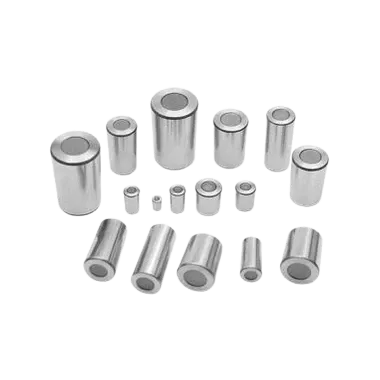
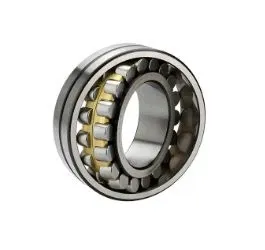
If you're in the market for high-quality needle rollers or have any questions about their lifespan and performance, don't hesitate to reach out. We're here to help you find the perfect solution for your needs. Whether you need Cylindrical Roller or any other type of rolling element, we've got you covered. Let's start a conversation and see how we can work together to keep your machines running at their best!
References
- "Bearing Handbook" by SKF
- "Rolling Bearing Analysis" by Tedric A. Harris