
Hey there! I'm from a Cold Heading Dies supplier, and today I wanna chat about the key processes in cold heading die manufacturing. It's a fascinating topic, especially if you're involved in the fastener or hardware industry.
Material Selection
The first and most crucial step in cold heading die manufacturing is selecting the right material. The properties of the chosen material can significantly affect the die's performance and lifespan. Tungsten carbide is a top - choice material for many cold heading dies. It offers excellent hardness, wear resistance, and toughness. Tungsten carbide can withstand the high pressures and stresses that occur during the cold heading process without deforming easily.
You can check out our Tungsten Carbide Die page to learn more about the types of tungsten carbide dies we offer and their specific applications. Another option is carbide cold heading dies, which are also made from high - quality carbide materials. These dies are designed to provide the best balance between hardness and toughness. Head over to our Carbide Cold Heading Dies page to see what we have in stock.
Design and Engineering
Once the material is selected, the next step is the design and engineering phase. This is where the die's shape, size, and internal features are determined. The design needs to be optimized based on the specific cold heading application. For example, if you're making small screws, the die will need to have precise internal dimensions to ensure the screws are formed correctly.
Engineers use advanced CAD (Computer - Aided Design) software to create detailed 3D models of the dies. These models are then used for simulation and analysis. By simulating the cold heading process, engineers can identify potential problems, such as stress concentrations or material flow issues, and make adjustments to the design before the die is actually manufactured.
Cutting and Machining
After the design is finalized, it's time for cutting and machining. This is the process of shaping the raw material into the desired die form. Different machining techniques are used depending on the complexity of the die. For simple shapes, turning and milling operations might be sufficient. However, for more complex dies with intricate internal features, electrical discharge machining (EDM) or wire EDM might be required.
EDM uses electrical sparks to erode the material and create the desired shape. It's a very precise method and is ideal for creating dies with high - precision requirements. During the cutting and machining process, it's essential to maintain tight tolerances. Even a small deviation from the design specifications can affect the die's performance and the quality of the parts it produces.
Heat Treatment
Heat treatment is a critical process in cold heading die manufacturing. It helps to improve the die's hardness, strength, and wear resistance. The specific heat treatment process depends on the material used. For tungsten carbide dies, the heat treatment might involve a process called sintering, where the carbide powder is heated under high pressure to form a solid, dense structure.
After sintering or other heat treatment processes, the dies are often tempered to relieve internal stresses and improve their toughness. The heat treatment process needs to be carefully controlled to ensure that the die has the right balance of hardness and toughness. Too much hardness can make the die brittle and prone to cracking, while too little hardness can result in premature wear.
Surface Finishing
Once the die has been machined and heat - treated, the next step is surface finishing. A smooth and polished surface is essential for cold heading dies. It reduces friction between the die and the workpiece during the cold heading process, which can improve the quality of the finished parts and extend the die's lifespan.
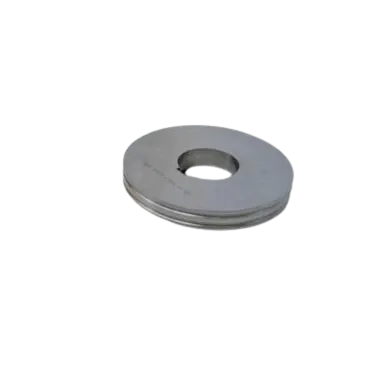
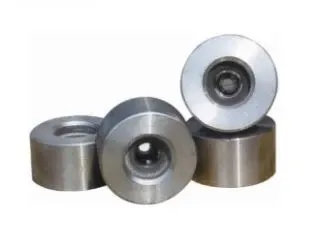
There are several surface finishing techniques available, such as grinding, lapping, and polishing. Grinding is used to remove any rough surfaces or burrs left from the machining process. Lapping is a more precise process that further improves the surface flatness and smoothness. Polishing gives the die a mirror - like finish, which is ideal for applications where low friction is crucial.
Quality Control
Quality control is an ongoing process throughout cold heading die manufacturing. At every stage, from material selection to final assembly, strict quality checks are performed. This ensures that the dies meet the highest standards of quality and performance.
We use a variety of inspection tools and techniques, such as coordinate measuring machines (CMMs) to measure the dimensions of the dies with high precision. Non - destructive testing methods, like ultrasonic testing and magnetic particle testing, are used to detect any internal defects or cracks in the dies. Only after passing all the quality checks are the dies approved for shipment.
Assembly and Packaging
After the individual components of the die have been manufactured and inspected, they are assembled into a complete die unit. This process needs to be done carefully to ensure that all the parts fit together correctly and that the die functions as intended.
Once the die is assembled, it is packaged for shipping. We use high - quality packaging materials to protect the dies during transit. This helps to prevent any damage that could occur during handling or transportation.
Feed Roll - An Important Component
In addition to the dies themselves, feed rolls are also an important part of the cold heading process. Feed rolls are used to feed the raw material into the cold heading machine at a consistent rate. This ensures that the cold heading process is smooth and efficient.
We offer a range of Feed Roll options to suit different cold heading applications. These feed rolls are made from high - quality materials and are designed for long - term use.
Why Choose Our Cold Heading Dies
We take pride in our cold heading dies. Our team of experienced engineers and technicians ensures that every die is manufactured to the highest standards. We use the latest technology and manufacturing processes to produce dies that are reliable, durable, and offer excellent performance.
Whether you're a small - scale manufacturer or a large - scale industrial company, we have the right cold heading dies for your needs. Our wide range of products, including tungsten carbide dies and carbide cold heading dies, gives you plenty of options to choose from.
If you're interested in our cold heading dies or any of our other products, don't hesitate to reach out to us. We're always happy to discuss your specific requirements and provide you with the best solutions. Let's get in touch and have a chat about how we can help you improve your cold heading process.
References
- "Cold Heading Die Technology" by Industry Experts
- "Advanced Manufacturing Processes in Cold Heading" from a Leading Research Paper
- "Material Science for Cold Heading Dies" by a Reputable Academic Journal