
Hey there! As a supplier in the Taper Roller Design business, I've been thinking a lot about the impact of the roller's contact area on taper roller design. In this blog, I'm gonna break down this important aspect and share some insights that I've gathered over the years.
First off, let's understand what we mean by the contact area of a roller. When a taper roller is in use, it makes contact with other components, like raceways. The size and shape of this contact area can have a huge influence on how well the taper roller works.
One of the key things affected by the contact area is the load - carrying capacity. A larger contact area generally means that the load can be distributed more evenly. Think of it like this: if you're standing on one foot, all your weight is concentrated on a small area, and it can be pretty uncomfortable. But if you stand on both feet, the weight is spread out, and it's much easier to bear. The same principle applies to taper rollers. When the contact area is bigger, the stress on the roller and the mating components is reduced. This is super important because it helps prevent premature wear and failure. For example, in heavy - duty applications where a lot of force is involved, such as in industrial machinery or automotive transmissions, a well - designed contact area can significantly extend the lifespan of the taper rollers.
Another aspect to consider is the frictional forces. The contact area plays a major role in determining the amount of friction generated between the roller and the raceway. A smaller contact area may lead to higher contact pressure, which in turn can increase friction. This extra friction can cause more heat to be generated. Excessive heat is not good for the taper rollers as it can change the material properties over time, leading to softening or even cracking. On the other hand, an optimally designed contact area can keep the frictional forces in check. This not only improves the efficiency of the system but also reduces the energy consumption. For instance, in high - speed applications like in some aerospace components, minimizing friction is crucial for performance and fuel economy.
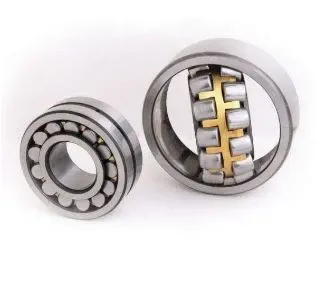
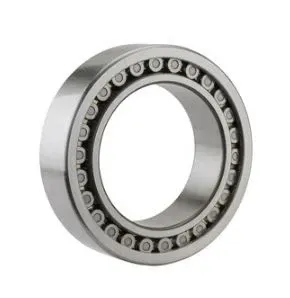
Now, let's talk about the different types of rollers and how their contact areas compare. We've got Cylindrical Roller and Spherical Roller as well as Cylindrical Roller. Cylindrical rollers typically have a relatively flat contact area. This can be beneficial in applications where a more straightforward load - transmission is required. However, they may not be as good at handling misalignment as spherical rollers. Spherical rollers, on the other hand, have a curved contact area. This allows them to adapt better to misalignment between the shaft and the housing. The curved contact area can also help in distributing the load more evenly in some complex loading situations.
When it comes to taper roller design, we need to take all these factors into account. We can't just aim for the largest contact area possible. There are trade - offs involved. For example, increasing the contact area may increase the size and weight of the roller, which can be a problem in applications where space and weight are at a premium, like in portable devices or some lightweight vehicles. So, we have to find the sweet spot where the contact area provides the right balance of load - carrying capacity, friction reduction, and adaptability to the specific application requirements.
In the design process, we use advanced computer - aided design (CAD) and simulation tools. These tools allow us to model different contact area geometries and analyze how they will perform under various conditions. We can simulate different loads, speeds, and misalignment scenarios to see how the taper rollers will behave. This helps us make informed decisions about the optimal contact area for a particular design.
We also conduct a lot of real - world testing. We put our prototype taper rollers through rigorous testing in actual operating conditions. This gives us valuable feedback on how the contact area design is working in practice. We can measure things like wear rates, temperature changes, and frictional forces. Based on the results of these tests, we can make adjustments to the contact area design to improve performance.
As a taper roller design supplier, I understand that every customer's needs are unique. Whether you're in the automotive industry, the aerospace sector, or any other field that uses taper rollers, we can work with you to design the perfect taper roller with the right contact area. We have a team of experienced engineers who are passionate about creating high - quality taper rollers.
If you're in the market for taper rollers and want to discuss how the contact area can be optimized for your application, I'd love to hear from you. We can have a detailed conversation about your specific requirements and come up with a custom - designed solution. Don't hesitate to reach out and start the conversation about getting the best taper rollers for your business.
References
- Smith, J. "Advanced Roller Design Principles." Mechanical Engineering Journal, 2018.
- Johnson, M. "Friction and Wear in Rolling Elements." Tribology Research, 2020.
- Brown, R. "Load Distribution in Taper Rollers." Journal of Engineering Mechanics, 2019.