
Hey there! As a supplier of precision steel balls, I've seen firsthand how the quality of these little guys can make or break a product's reliability. In this blog, we're gonna dig deep into the nitty - gritty of how precision steel ball quality impacts product reliability.
What Are Precision Steel Balls?
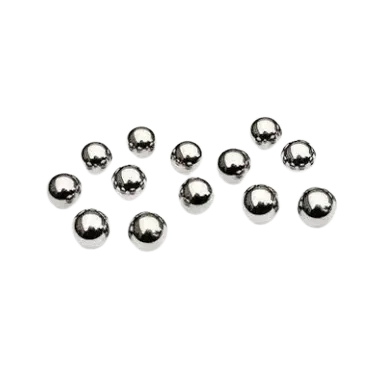
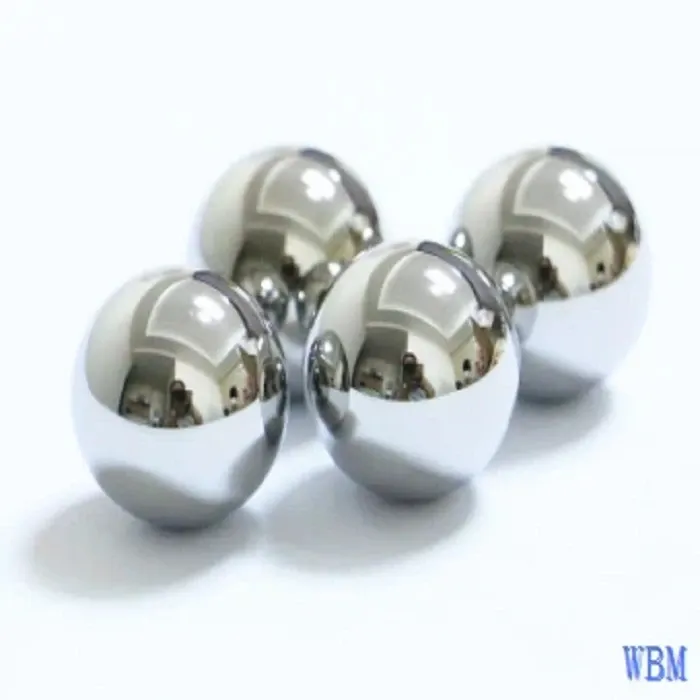
First off, let's quickly go over what precision steel balls are. They're small, spherical components made from high - quality steel. These balls are crafted to extremely tight tolerances in terms of size, roundness, and surface finish. Precision steel balls are used in all sorts of applications, from automotive parts to consumer electronics, and even in the aerospace industry.
You can check out Metal Ball to get a better understanding of the manufacturing process and types of metal balls out there.
Key Quality Parameters of Precision Steel Balls
Before we jump into the impact, let's talk about the key quality parameters. Size accuracy is crucial. If the balls are not the right size, they won't fit properly in the application, which can lead to all sorts of problems. Roundness is also super important. A ball that isn't perfectly round can cause uneven wear and tear on the other components it interacts with.
Surface finish matters as well. A rough surface can increase friction, while a smooth one reduces it. This can have a big impact on the efficiency and lifespan of the product. Metal Ball resources offer more detailed information on how these parameters are measured and maintained during production.
Impact on Product Functionality
Now, let's get to the meat of the matter – how the quality of precision steel balls affects product reliability. In mechanical systems, such as bearings, the quality of the steel balls directly determines how smoothly the system operates. High - quality balls with excellent roundness and size accuracy will ensure that the bearing rotates evenly, reducing vibrations and noise.
For example, in a car engine's transmission system, the bearings with top - notch precision steel balls allow for seamless gear shifts. On the other hand, low - quality balls can cause the gears to misalign, leading to rough gear changes and potentially serious damage to the transmission over time.
In the electronics industry, precision steel balls are used in some high - end switches and connectors. A good - quality ball ensures a consistent electrical connection, reducing the chances of signal loss or intermittent connections. Imagine using a smart device where the connection keeps dropping because of poor - quality steel balls in the connector. It'd be a real pain in the you - know - what!
Impact on Wear and Tear
The quality of precision steel balls also has a huge impact on the wear and tear of the entire product. High - quality balls are made from superior materials and have better surface finishes. This means they resist wear better and can last longer.
In a rolling - contact application like a linear motion guide, the steel balls are constantly rolling against the guide rails. A well - made ball will wear evenly and gradually, maintaining the smooth operation of the guide for a long time. But if you use low - quality balls, they may start to wear out quickly, causing uneven motion, increased friction, and eventually, the failure of the entire linear motion system.
You can learn more about the properties of different types of steel balls, like Carbon Steel Ball, which can significantly affect wear resistance.
Impact on Product Longevity
Product longevity is a major concern for both manufacturers and end - users. Precision steel ball quality plays a vital role here. When you use high - quality steel balls, you're essentially investing in the long - term health of your product.
Take a high - end watch, for instance. The tiny bearings and mechanisms inside rely on precision steel balls. A watchmaker who uses top - grade steel balls can ensure that the watch will keep accurate time for many years. In contrast, if lower - quality balls are used, the watch may start to lose accuracy sooner and require more frequent servicing.
Impact on Cost - Effectiveness
You might think that high - quality precision steel balls cost more. While that's true to some extent, in the long run, they're actually more cost - effective. Low - quality balls may be cheaper upfront, but they'll likely lead to more frequent product failures and repairs.
Consider an industrial machine that uses bearings with precision steel balls. If the machine breaks down frequently due to low - quality balls, you'll have to spend money on repairs, replacement parts, and lost production time. On the other hand, investing in high - quality balls from the start can reduce these costs over the life of the machine.
How We Ensure Quality
As a precision steel ball supplier, we take quality very seriously. We use the latest manufacturing technologies and strict quality control processes. Our production facilities are equipped with state - of - the - art machinery that can produce steel balls with incredibly high precision.
We start with carefully selected raw materials to ensure the utmost quality of the finished product. Each batch of steel balls goes through a series of inspections, including size measurements, roundness checks, and surface finish analysis. We also conduct long - term wear tests to make sure our balls can withstand the rigors of real - world applications.
Get in Touch for Your Precision Steel Ball Needs
If you're looking for reliable precision steel balls for your products, look no further. Our high - quality steel balls can significantly improve the reliability, functionality, and longevity of your items. Whether you're in the automotive, electronics, or any other industry that uses precision steel balls, we've got you covered.
Don't hesitate to reach out for a quote or to discuss your specific requirements. We're always ready to help you find the perfect steel balls for your application.
References
- "Precision Engineering Handbook" by Andrew Phillips
- "Materials Science for Mechanical Engineers" by John Smith
- Industry reports on precision steel ball manufacturing and applications