
Hey there! As a supplier of rolling elements, I've been getting a lot of questions lately about what these little components actually do in a bearing. So, I thought I'd take a few minutes to break it down for you and explain why they're so important.
First off, let's start with the basics. A bearing is a mechanical component that supports and guides the rotation of a shaft or other moving part. It reduces friction between the moving parts and helps to transmit loads from one part to another. Rolling elements are a key part of many types of bearings, and they come in a variety of shapes and sizes, including balls, rollers, and needles.
So, what's the function of these rolling elements? Well, the main job of rolling elements is to reduce friction between the moving parts of a bearing. When a shaft rotates inside a bearing, the rolling elements roll between the inner and outer races of the bearing, creating a rolling motion instead of a sliding motion. This rolling motion significantly reduces friction, which in turn reduces wear and tear on the bearing and the shaft.
Less friction also means less heat generation. When two surfaces slide against each other, friction generates heat. This heat can cause the materials to expand, leading to increased wear and potential damage to the bearing. By using rolling elements, the heat generated is much lower, which helps to extend the lifespan of the bearing and the equipment it's used in.
Another important function of rolling elements is to support and distribute loads. Bearings are often subjected to various types of loads, such as radial loads (forces acting perpendicular to the shaft) and axial loads (forces acting parallel to the shaft). The rolling elements help to distribute these loads evenly across the bearing, preventing excessive stress on any one part of the bearing. This even distribution of loads helps to ensure the bearing can operate smoothly and efficiently under different conditions.
Let's take a closer look at some of the different types of rolling elements and their specific functions.
Ball Bearings
Ball bearings are one of the most common types of rolling elements. They consist of small, spherical balls that roll between the inner and outer races of the bearing. The spherical shape of the balls allows them to provide low friction and high-speed operation. Ball bearings are great for applications where the load is relatively light and the speed is high, such as in electric motors, fans, and computer hard drives.
Roller Bearings
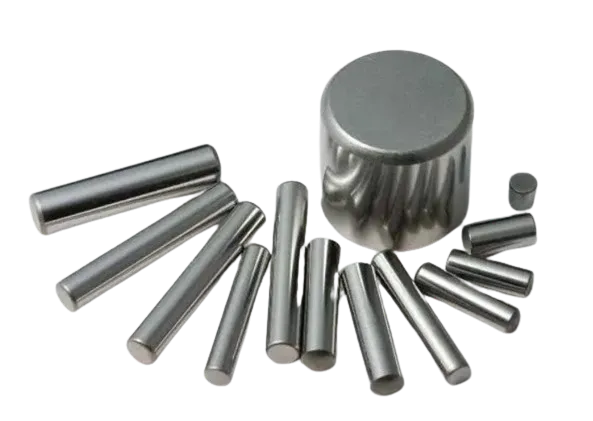
Roller bearings use cylindrical, tapered, or spherical rollers instead of balls. Each type of roller bearing has its own unique advantages and is suitable for different applications.
- Cylindrical Rollers: Cylindrical rollers are designed to handle heavy radial loads. They have a large contact area with the races, which allows them to distribute the load more evenly. Cylindrical rollers are commonly used in industrial and wind - power bearings. If you're interested in a high - quality cylindrical roller for your industrial or wind - power needs, check out our Cylindrical roller for industrial and wind - power bearings.
- Tapered Rollers: Tapered rollers are shaped like cones and are capable of handling both radial and axial loads. They can be adjusted to preload the bearing, which helps to improve its rigidity and precision. Interroll Tapered Roller is a great example of a high - performance tapered roller that can be used in a variety of applications, such as automotive transmissions and machine tool spindles.
- Spherical Rollers: Spherical rollers have a spherical shape and are self - aligning. This means they can compensate for misalignment between the shaft and the housing, which is common in some applications. Spherical rollers are often used in heavy - duty applications, such as mining equipment and construction machinery.
Needle Bearings
Needle bearings use long, thin rollers (needles) that have a high length - to - diameter ratio. These bearings are designed to handle high radial loads in a small space. Needle bearings are commonly used in automotive engines, transmissions, and other applications where space is limited.
Now that you understand the functions of rolling elements, you might be wondering how to choose the right ones for your application. Well, there are several factors to consider, such as the type and magnitude of the load, the speed of operation, the operating temperature, and the amount of space available.

If the load is mainly radial and relatively light, ball bearings might be a good choice. For heavy radial loads, cylindrical or spherical roller bearings could be more suitable. If you need to handle both radial and axial loads, tapered roller bearings are a great option. And if space is a concern, needle bearings could be the way to go.
As a supplier of rolling elements, I can help you select the right rolling elements for your specific needs. We have a wide range of high - quality rolling elements that are designed to meet the demands of various industries. Whether you're in the automotive, aerospace, industrial, or any other sector, we've got you covered.
If you're interested in learning more about our products or have any questions about rolling elements, don't hesitate to reach out. We're here to provide you with the best solutions and support for your bearing applications. You can start a conversation with us to discuss your requirements and get a quote. We're always happy to help you find the perfect rolling elements for your equipment.
In conclusion, rolling elements play a crucial role in the operation of bearings. They reduce friction, support and distribute loads, and help to ensure the smooth and efficient operation of the equipment. By choosing the right rolling elements for your application, you can improve the performance and lifespan of your bearings and the machinery they're used in.
References
- "Bearing Handbook" by SKF
- "Mechanical Design of Machine Elements and Machines: A Failure Prevention Perspective" by Juvinall and Marshek