
Hey there! As a supplier of spherical rollers, I often get asked about the friction coefficient of these awesome components. So, let's dive right into it and break down what the friction coefficient of spherical rollers is all about.
First off, what exactly is a spherical roller? Well, it's a type of rolling element that has a spherical shape. These rollers are used in various applications, especially in bearings. They can handle both radial and axial loads, which makes them super versatile. You'll find them in everything from industrial machinery to automotive parts.
Now, let's talk about the friction coefficient. The friction coefficient is a measure of how much friction there is between two surfaces in contact. In the case of spherical rollers, it's the friction between the roller and the raceway (the surface the roller rolls on). This coefficient plays a crucial role in how well the spherical roller performs.
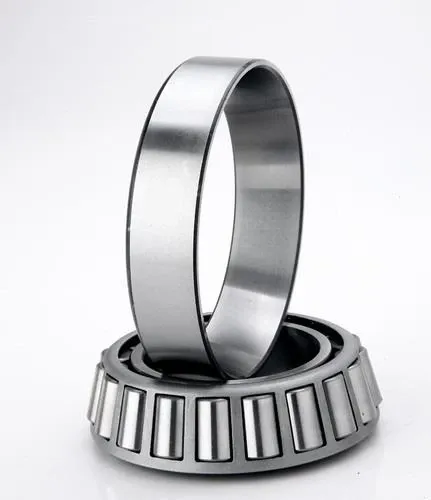
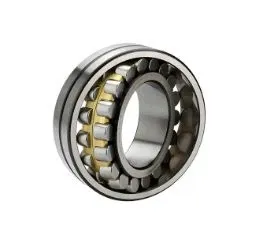
There are two main types of friction coefficients we need to consider: static and dynamic. The static friction coefficient comes into play when the roller is at rest and you're trying to get it moving. It's like the initial push you need to give to start a ball rolling. On the other hand, the dynamic friction coefficient is relevant when the roller is already in motion. It determines how much energy is lost due to friction as the roller keeps rolling.
Several factors can affect the friction coefficient of spherical rollers. One of the most important ones is the material. Different materials have different surface properties, which can greatly influence friction. For example, if the roller is made of a hard, smooth material, the friction coefficient might be lower compared to a rougher material. The lubrication also plays a huge role. A good lubricant can reduce the friction between the roller and the raceway by creating a thin film that separates the two surfaces. This not only lowers the friction coefficient but also helps in reducing wear and tear, which is a win - win situation.
The surface finish of the roller and the raceway is another key factor. A smoother surface finish generally leads to a lower friction coefficient. When the surfaces are rough, there are more irregularities that can cause the roller to "catch" and create more friction. So, during the manufacturing process, getting the right surface finish is really important.
The load on the roller also impacts the friction coefficient. Higher loads can increase the contact pressure between the roller and the raceway, which in turn can increase the friction. However, this relationship isn't always straightforward. Sometimes, a certain amount of load can actually help to keep the lubricant film intact, which might reduce friction.
Now, how do we measure the friction coefficient of spherical rollers? Well, there are several methods. One common way is to use a friction testing machine. This machine can simulate the actual operating conditions of the roller and measure the force required to move the roller. By dividing this force by the normal force (the force pressing the roller against the raceway), we can calculate the friction coefficient.
Let's compare spherical rollers with other types of rolling elements. For example, taper rollers, which you can learn more about at Taper Roller Disign. Taper rollers have a conical shape, and their friction characteristics are different from spherical rollers. They are often used in applications where they need to handle large axial loads. The friction coefficient of taper rollers can be affected by the angle of the taper, among other things.
Cross rollers, as described on Cross Roller, are another type of rolling element. They are arranged in a crossed pattern, which gives them unique load - carrying capabilities. Their friction coefficient is also influenced by factors like the material, lubrication, and surface finish, but the crossed arrangement can lead to different friction behavior compared to spherical rollers.
Needle rollers, detailed at Needle Roller, are long and thin. They are often used in applications where space is limited. The friction coefficient of needle rollers can be different because of their shape and the way they interact with the raceway.
So, why is understanding the friction coefficient of spherical rollers so important? Well, for one, it affects the efficiency of the machinery. A lower friction coefficient means less energy is wasted as heat, which can lead to cost savings in the long run. It also impacts the lifespan of the roller and the bearing. Less friction means less wear and tear, so the components will last longer.
If you're in the market for spherical rollers, it's crucial to have a good understanding of the friction coefficient. At our company, we take great care in manufacturing spherical rollers with the optimal friction coefficient for different applications. We use high - quality materials, advanced manufacturing techniques, and the latest lubrication technologies to ensure that our rollers perform at their best.
Whether you're an engineer designing a new piece of machinery or a maintenance professional looking to replace worn - out rollers, we can provide you with the right spherical rollers for your needs. We have a wide range of products to choose from, and our team of experts is always ready to help you select the best option based on your specific requirements.
If you're interested in learning more or discussing a potential purchase, don't hesitate to reach out. We're here to answer all your questions and guide you through the procurement process. Let's work together to find the perfect spherical rollers for your project.
References
- "Rolling Bearing Analysis" by Tedric A. Harris and Michael N. Kotzalas
- Various industry research papers on rolling element friction coefficients.