
Hey there! As a supplier of weldable steel balls, I've been in the industry long enough to know that the welding environment can have a huge impact on the quality of our products. One factor that often gets overlooked is humidity. In this blog, I'm gonna talk about what effect welding environment humidity has on weldable steel balls.
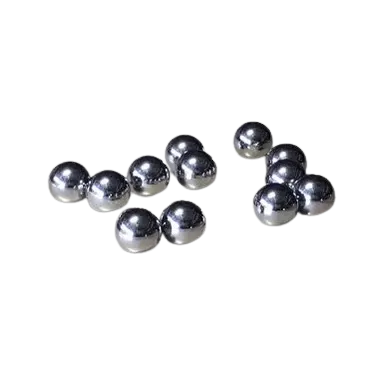
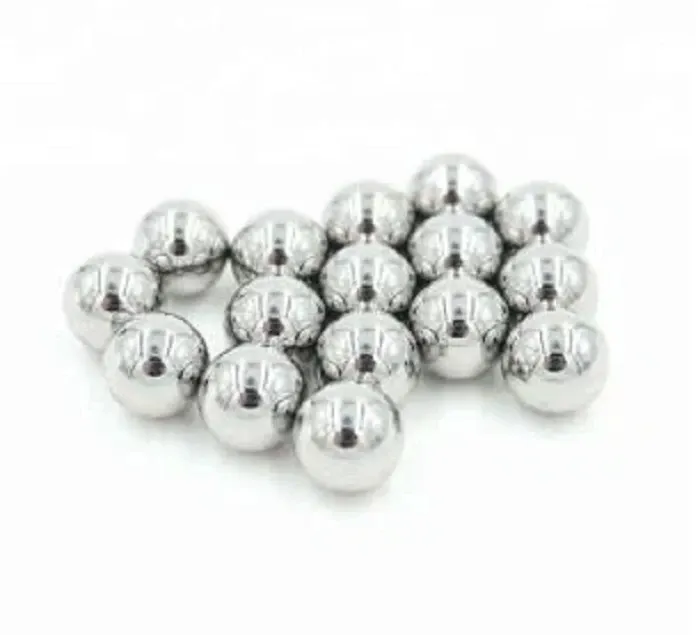
First off, let's understand what weldable steel balls are. These are steel balls that are designed to be welded onto other surfaces. They're used in a wide range of applications, from industrial machinery to automotive parts. As a supplier, I offer different types of steel balls, like Large Steel Ball, Stainless Steel Ball, and High Chrome Steel Balls. Each type has its own unique properties and uses, but they all need to be welded properly to perform well.
Now, let's get into the role of humidity in the welding process. Humidity refers to the amount of water vapor in the air. When we're welding steel balls, high humidity levels can introduce a lot of problems.
One of the main issues is hydrogen embrittlement. When water vapor in the air comes into contact with the molten metal during welding, it breaks down into hydrogen and oxygen. The hydrogen can then diffuse into the steel, making it more brittle. This is a big deal because brittle steel is more likely to crack under stress. For weldable steel balls, this means they might not be able to withstand the forces they're subjected to in their applications. For example, if a steel ball is used in a high - pressure machinery part, a crack caused by hydrogen embrittlement could lead to the failure of the entire component.
Another problem caused by high humidity is porosity in the weld. Porosity refers to small holes or voids in the weld bead. When there's a lot of water vapor in the air, it can get trapped in the molten metal as it solidifies. These trapped pockets of gas create porosity. Porous welds are weaker than solid ones and can also reduce the corrosion resistance of the weld. For weldable steel balls, this can affect their performance and lifespan. A steel ball with a porous weld might wear out faster or corrode more easily, especially if it's used in a harsh environment.
In addition to hydrogen embrittlement and porosity, high humidity can also lead to poor weld appearance. The water vapor in the air can cause spattering during the welding process. Spattering is when small droplets of molten metal are ejected from the weld pool. This not only makes the weld look messy but can also cause safety hazards. The spattered metal can land on nearby equipment or workers, potentially causing burns or damage.
On the other hand, low humidity levels can also have an impact. While low humidity reduces the risk of hydrogen embrittlement and porosity, it can make the welding process more difficult. The air is drier, which means there's less moisture to help cool the weld area. This can lead to overheating of the steel balls and the surrounding area. Overheating can cause the steel to lose its strength and hardness, and it can also change the microstructure of the metal.
So, what can we do to control the humidity during the welding of steel balls? Well, one option is to use a dehumidifier in the welding area. A dehumidifier can reduce the amount of water vapor in the air, creating a more stable welding environment. This helps to minimize the problems associated with high humidity. Another approach is to store the steel balls in a dry environment before welding. By keeping them away from high - humidity conditions, we can reduce the amount of moisture on their surfaces.
It's also important to choose the right welding process and parameters based on the humidity levels. For example, some welding processes are more sensitive to humidity than others. Shielded metal arc welding (SMAW) is generally more forgiving in high - humidity conditions compared to gas tungsten arc welding (GTAW). By selecting the appropriate process and adjusting the welding parameters like current, voltage, and travel speed, we can improve the quality of the weld.
As a supplier of weldable steel balls, I understand the importance of ensuring that our products are welded under the best possible conditions. That's why I work closely with my customers to provide them with not only high - quality steel balls but also advice on the welding process. I want to make sure that the steel balls I supply perform well in their intended applications.
If you're in the market for weldable steel balls, whether it's Large Steel Ball, Stainless Steel Ball, or High Chrome Steel Balls, I'm here to help. I can offer you the right products and guidance on how to weld them properly, taking into account the humidity conditions in your welding environment.
If you have any questions about our weldable steel balls or need more information on the welding process, don't hesitate to reach out. I'm always happy to have a chat and discuss your specific needs. Let's work together to ensure that your projects using weldable steel balls are a success.
References
- AWS Welding Handbook, American Welding Society
- "Welding Metallurgy" by John C. Lippold and David J. Kotecki
- "The Effects of Humidity on Welding Processes" - Industry research papers