
As a supplier of Tungsten Carbide Dies, I am often asked about the cutting performance of these remarkable tools. Tungsten carbide dies are widely used in various industries due to their exceptional properties, which significantly influence their cutting performance. In this blog, I will delve into the factors that contribute to the cutting performance of tungsten carbide dies and explore their applications in different fields.
Understanding Tungsten Carbide
Tungsten carbide is a composite material composed of tungsten carbide particles (WC) embedded in a metallic binder, typically cobalt (Co). This unique combination results in a material that exhibits high hardness, wear resistance, and toughness. The hardness of tungsten carbide is comparable to that of diamond, making it an ideal choice for cutting applications where high precision and long tool life are required.
The manufacturing process of tungsten carbide involves powder metallurgy techniques. Tungsten carbide powder and the binder metal powder are mixed together, pressed into the desired shape, and then sintered at high temperatures. This process ensures a uniform distribution of the carbide particles in the binder matrix, resulting in a dense and homogeneous material with excellent mechanical properties.
Factors Affecting Cutting Performance
Hardness and Wear Resistance
One of the primary factors contributing to the cutting performance of tungsten carbide dies is their hardness. Hardness is a measure of a material's resistance to indentation or scratching. Tungsten carbide has a very high hardness, typically ranging from 89 to 93 HRA (Rockwell hardness scale A). This high hardness allows the die to maintain its cutting edge for a longer period, even when cutting through tough materials such as steel, stainless steel, and titanium.
Wear resistance is closely related to hardness. The high hardness of tungsten carbide makes it highly resistant to abrasive wear, which is the most common type of wear in cutting applications. Abrasive wear occurs when the cutting tool rubs against the workpiece, causing the removal of material from the tool surface. Tungsten carbide dies can withstand this type of wear better than many other materials, resulting in a longer tool life and reduced downtime for tool replacement.
Toughness
While hardness and wear resistance are important for cutting performance, toughness is also crucial. Toughness is a measure of a material's ability to absorb energy and resist fracture. In cutting applications, the die is subjected to high stresses and impacts, which can cause it to crack or break if it is not tough enough.
Tungsten carbide has good toughness, especially when compared to other hard materials such as ceramics. The metallic binder in tungsten carbide provides a certain degree of ductility, which helps to absorb the energy from impacts and prevent crack propagation. This allows the die to withstand the high stresses encountered during cutting without failing prematurely.
Coating
In addition to the inherent properties of tungsten carbide, the use of coatings can further enhance the cutting performance of the die. Coatings can provide additional hardness, wear resistance, and lubricity, which can improve the cutting efficiency and reduce the friction between the tool and the workpiece.
There are several types of coatings available for tungsten carbide dies, including titanium nitride (TiN), titanium carbonitride (TiCN), and aluminum titanium nitride (AlTiN). These coatings are typically applied using physical vapor deposition (PVD) or chemical vapor deposition (CVD) techniques. Each coating has its own unique properties and is suitable for different cutting applications. For example, TiN coatings are commonly used for general-purpose cutting, while AlTiN coatings are more suitable for high-speed cutting and machining of difficult-to-cut materials.
Geometry
The geometry of the tungsten carbide die also plays a significant role in its cutting performance. The shape and size of the cutting edge, the rake angle, and the clearance angle all affect the cutting forces, chip formation, and surface finish of the workpiece.
A well-designed die geometry can reduce the cutting forces, improve the chip evacuation, and enhance the surface finish of the workpiece. For example, a sharp cutting edge with a positive rake angle can reduce the cutting forces and make the cutting process more efficient. On the other hand, a large clearance angle can prevent the die from rubbing against the workpiece and reduce the heat generation.
Applications of Tungsten Carbide Dies
Metalworking
Tungsten carbide dies are widely used in metalworking industries for various cutting applications, such as cold heading, thread rolling, and punching. In cold heading, tungsten carbide dies are used to form metal parts by applying pressure to a metal blank at room temperature. The high hardness and wear resistance of tungsten carbide make it ideal for this application, as it can withstand the high pressures and repeated impacts without deforming or wearing out.
In thread rolling, tungsten carbide dies are used to form threads on the surface of a workpiece. The precise geometry of the die ensures that the threads are formed accurately and with a high surface finish. Tungsten carbide dies are also used in punching applications, where they are used to cut holes in metal sheets or plates. The high speed and precision of tungsten carbide dies make them suitable for mass production applications.
Woodworking
Tungsten carbide dies are also used in the woodworking industry for cutting and shaping wood. In this application, the high hardness and wear resistance of tungsten carbide allow the die to cut through wood quickly and cleanly, without leaving any rough edges or splinters. Tungsten carbide saw blades, router bits, and planer knives are commonly used in woodworking machines to achieve high-quality cuts.
Plastics and Composites
Tungsten carbide dies are increasingly being used in the plastics and composites industry for cutting and machining these materials. The high hardness and wear resistance of tungsten carbide make it suitable for cutting through tough plastics and composites, such as fiberglass and carbon fiber. Tungsten carbide dies can also be used to form plastic parts by injection molding or extrusion.
Conclusion
In conclusion, the cutting performance of tungsten carbide dies is influenced by several factors, including hardness, wear resistance, toughness, coating, and geometry. These factors work together to make tungsten carbide dies a superior choice for cutting applications in various industries.
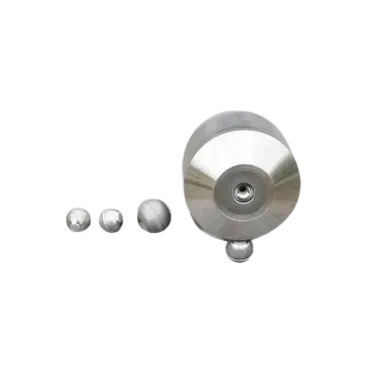
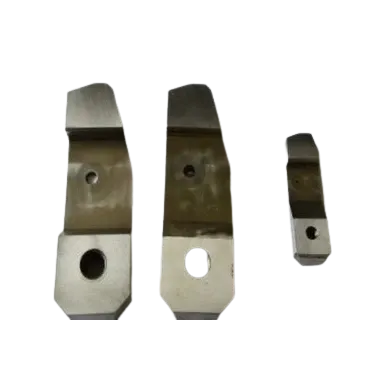
As a supplier of Tungsten Carbide Dies, I am committed to providing high-quality products that meet the specific needs of my customers. Our Tungsten Carbide Die are manufactured using the latest technology and the highest quality materials to ensure excellent cutting performance and long tool life. We also offer a range of Carbide Cut Off Blade COB and Carbide Cold Heading Dies to meet the diverse needs of our customers.
If you are interested in learning more about our products or have any questions about the cutting performance of tungsten carbide dies, please feel free to contact us. We would be happy to discuss your requirements and provide you with a customized solution.
References
- Kalpakjian, S., & Schmid, S. R. (2009). Manufacturing Engineering and Technology (5th ed.). Pearson Prentice Hall.
- Trent, E. M., & Wright, P. K. (2000). Metal Cutting (4th ed.). Butterworth-Heinemann.
- Shaw, M. C. (2005). Metal Cutting Principles (2nd ed.). Oxford University Press.