
In the realm of mechanical engineering and industrial applications, gravity taper rollers play a pivotal role. As a dedicated supplier of gravity taper rollers, I've witnessed firsthand the diverse needs and inquiries regarding these essential components. One of the most frequently asked questions is, "What is the cost of gravity taper rollers?" To comprehensively address this question, we need to delve into various factors that influence the cost and understand the value these rollers bring to different industries.
Understanding Gravity Taper Rollers
Gravity taper rollers are specialized rolling elements designed to handle both radial and axial loads efficiently. Their conical shape allows for a larger contact area compared to other types of rollers, which distributes the load more evenly and reduces stress concentrations. This design feature makes them ideal for applications where high loads and precision are required, such as in automotive transmissions, industrial gearboxes, and heavy machinery.
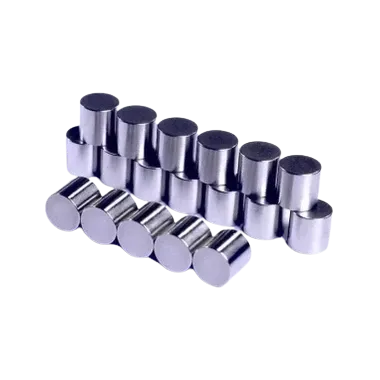
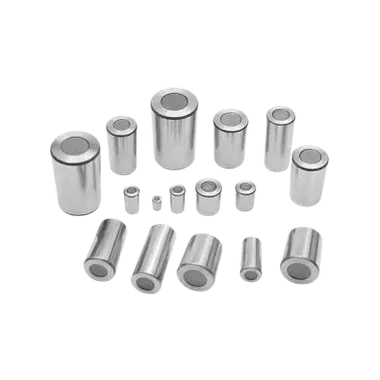
There are different types of taper rollers available in the market. For instance, the 2022 New product Taper Roller With Hole in The Center offers unique advantages in certain applications. The hole in the center can be used for lubrication channels or for mounting additional components, providing enhanced functionality. Another type is the Conical Rollers, which are known for their excellent load - bearing capacity and smooth operation. And of course, the standard Taper Rollers are widely used in a variety of industrial settings due to their versatility.
Factors Influencing the Cost of Gravity Taper Rollers
Material Quality
The material used in manufacturing gravity taper rollers is a significant determinant of their cost. High - quality materials such as premium grade steel alloys are often used to ensure durability, strength, and resistance to wear and corrosion. These materials are more expensive to source and process, but they offer longer service life and better performance. For example, rollers made from bearing - grade steel can withstand high - speed rotations and heavy loads without significant deformation, which is crucial in applications like high - performance automotive engines. On the other hand, lower - quality materials may be more affordable initially but can lead to premature failure and increased maintenance costs in the long run.
Manufacturing Precision
The precision with which gravity taper rollers are manufactured also affects their price. Taper rollers need to be produced with extremely tight tolerances to ensure proper fit and function within the bearing assembly. Advanced manufacturing techniques such as precision grinding and honing are used to achieve the required surface finish and dimensional accuracy. These processes require sophisticated equipment and skilled labor, which adds to the overall cost of production. Rollers with higher precision are less likely to cause vibrations or noise during operation, and they can improve the efficiency and reliability of the entire system.
Size and Dimensions
The size and dimensions of gravity taper rollers play a role in determining their cost. Larger rollers generally require more material and longer manufacturing times, which increases their price. Additionally, non - standard sizes or custom - made rollers are more expensive because they often involve special tooling and production setups. For example, if a customer needs a taper roller with a unique diameter or length for a specific application, the manufacturer may need to invest in new molds or modify existing equipment, resulting in higher costs.
Quantity of Order
The quantity of taper rollers ordered also impacts the cost per unit. When customers place large orders, manufacturers can benefit from economies of scale. They can purchase raw materials in bulk at lower prices and optimize their production processes to reduce waste and increase efficiency. As a result, the cost per roller is typically lower for large - volume orders compared to small - quantity purchases. This is an important consideration for businesses that need a continuous supply of taper rollers for their production lines.
Cost - Benefit Analysis
While the cost of gravity taper rollers is an important factor, it's essential to consider the overall benefits they provide. Investing in high - quality taper rollers can lead to significant savings in the long term. For example, rollers with better wear resistance and longer service life can reduce the frequency of replacements, minimizing downtime and maintenance costs. In industrial applications, where equipment failures can result in costly production delays, the reliability of taper rollers is of utmost importance.
Moreover, high - precision taper rollers can improve the performance of the entire system. They can reduce energy consumption by minimizing friction and heat generation, which is beneficial for both the environment and the bottom line. In automotive applications, for instance, more efficient taper rollers can contribute to better fuel economy and lower emissions.
Industry - Specific Considerations
Different industries have unique requirements for gravity taper rollers, which can also influence the cost. In the automotive industry, where safety and performance are top priorities, the demand for high - quality taper rollers is high. Automotive manufacturers often require rollers that can withstand high - speed rotations and extreme operating conditions. As a result, the cost of taper rollers used in automotive applications is generally higher compared to those used in less demanding industries.
In the aerospace industry, the requirements for taper rollers are even more stringent. Rollers used in aircraft engines and landing gear systems need to meet strict quality and safety standards. They are often made from advanced materials and manufactured with the highest level of precision. The cost of these aerospace - grade taper rollers is significantly higher due to the specialized manufacturing processes and the need for extensive testing and certification.
On the other hand, in some industrial applications where the operating conditions are less severe, such as in light - duty machinery, the cost of taper rollers can be relatively lower. These applications may not require the same level of precision or material quality, allowing for more cost - effective solutions.
Conclusion
In conclusion, the cost of gravity taper rollers is influenced by multiple factors, including material quality, manufacturing precision, size and dimensions, and order quantity. While it's important to consider the upfront cost, it's equally crucial to evaluate the long - term benefits and the specific requirements of the application. As a supplier of gravity taper rollers, we understand the diverse needs of our customers and strive to provide high - quality products at competitive prices.
If you're interested in learning more about our gravity taper rollers or would like to discuss your specific requirements, we encourage you to contact us for a detailed quotation. Our team of experts is ready to assist you in finding the most suitable taper rollers for your application and to help you make an informed purchasing decision.
References
- "Bearing Design and Application Handbook"
- "Industrial Tribology: Friction, Wear, and Lubrication"
- Industry reports on rolling element bearings