
What is the corrosion resistance of spherical rollers?
As a seasoned supplier of Spherical Rollers, I've had the privilege of delving deep into the intricate world of these remarkable components. Spherical rollers, as you can learn more about on our Spherical Roller page, are widely used in various industries due to their unique design and functionality. One of the key aspects that often comes under scrutiny is their corrosion resistance, and in this blog, I aim to shed light on this crucial topic.
Corrosion is a natural process that occurs when metals react with their environment, leading to the deterioration of their properties. For spherical rollers, which are typically made of steel, corrosion can have a significant impact on their performance and lifespan. Understanding the corrosion resistance of spherical rollers is essential for ensuring their optimal operation in different applications.
Factors Affecting Corrosion Resistance
Several factors influence the corrosion resistance of spherical rollers. The first and most obvious is the material composition. The type of steel used in the manufacturing of spherical rollers plays a vital role in determining their ability to withstand corrosion. Stainless steel, for example, is known for its excellent corrosion resistance due to the presence of chromium, which forms a protective oxide layer on the surface of the metal. This layer acts as a barrier, preventing oxygen and moisture from reaching the underlying steel and causing corrosion.
In addition to the material composition, the surface finish of the spherical rollers also affects their corrosion resistance. A smooth and polished surface is less likely to accumulate dirt, moisture, and other corrosive substances, reducing the risk of corrosion. On the other hand, a rough or porous surface can provide a breeding ground for corrosion, as it allows corrosive agents to penetrate the metal more easily.
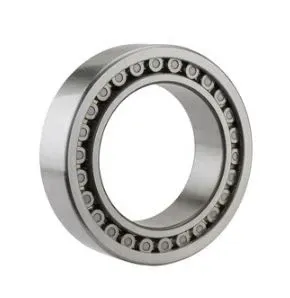

The operating environment is another crucial factor that influences the corrosion resistance of spherical rollers. Spherical rollers used in harsh environments, such as those exposed to high humidity, saltwater, or chemicals, are more likely to experience corrosion compared to those used in clean and dry environments. In such cases, additional protective measures, such as coatings or seals, may be required to enhance the corrosion resistance of the rollers.
Types of Corrosion
There are several types of corrosion that spherical rollers may encounter, each with its own characteristics and causes. The most common types of corrosion include:
- Uniform Corrosion: This is the most straightforward type of corrosion, where the entire surface of the metal is affected evenly. Uniform corrosion occurs when the metal is exposed to a corrosive environment for an extended period of time, and the protective oxide layer is gradually worn away.
- Pitting Corrosion: Pitting corrosion is a localized form of corrosion that occurs when small pits or holes form on the surface of the metal. This type of corrosion is often caused by the presence of chloride ions, which can break down the protective oxide layer and expose the underlying steel to corrosion.
- Crevice Corrosion: Crevice corrosion occurs in narrow gaps or crevices between two metal surfaces, where the flow of oxygen and moisture is restricted. This creates an environment that is more conducive to corrosion, as the lack of oxygen and moisture can cause the protective oxide layer to break down.
- Galvanic Corrosion: Galvanic corrosion occurs when two different metals are in contact with each other in the presence of an electrolyte, such as water or saltwater. The more reactive metal (the anode) will corrode at a faster rate than the less reactive metal (the cathode), as electrons flow from the anode to the cathode.
Enhancing Corrosion Resistance
To enhance the corrosion resistance of spherical rollers, several measures can be taken. The first step is to select the appropriate material for the rollers based on the operating environment. Stainless steel is often the preferred choice for applications where corrosion resistance is a primary concern, but other materials, such as ceramic or polymer, may also be suitable depending on the specific requirements.
In addition to material selection, surface treatments can also be used to improve the corrosion resistance of spherical rollers. Coatings, such as zinc plating or epoxy coatings, can provide an additional layer of protection against corrosion. These coatings act as a barrier, preventing oxygen and moisture from reaching the underlying steel and causing corrosion.
Seals and gaskets can also be used to protect spherical rollers from corrosive substances. Seals can prevent dirt, moisture, and other contaminants from entering the bearing housing, reducing the risk of corrosion. Gaskets can be used to create a tight seal between the bearing housing and the surrounding environment, preventing the ingress of corrosive agents.
Regular maintenance and inspection are also essential for ensuring the long-term corrosion resistance of spherical rollers. By regularly cleaning and lubricating the rollers, you can remove any dirt, moisture, or other contaminants that may accumulate on the surface of the metal. Inspecting the rollers for signs of corrosion, such as rust or pitting, can also help you identify potential problems early on and take appropriate action to prevent further damage.
Comparison with Other Types of Rollers
When considering the corrosion resistance of spherical rollers, it's also important to compare them with other types of rollers, such as Gravity Taper Roller and Cylindrical Roller. While each type of roller has its own unique advantages and disadvantages, spherical rollers generally offer better corrosion resistance compared to gravity taper rollers and cylindrical rollers.
This is because spherical rollers are designed to have a larger contact area with the raceway, which distributes the load more evenly and reduces the stress on the rollers. This, in turn, reduces the risk of wear and corrosion, as the rollers are less likely to experience excessive stress or deformation.
In addition, spherical rollers are often made of stainless steel or other corrosion-resistant materials, which further enhances their corrosion resistance. Gravity taper rollers and cylindrical rollers, on the other hand, may be made of different materials, such as carbon steel, which may not offer the same level of corrosion resistance as stainless steel.
Conclusion
In conclusion, the corrosion resistance of spherical rollers is a crucial factor that must be considered when selecting rollers for different applications. By understanding the factors that affect corrosion resistance, the types of corrosion that spherical rollers may encounter, and the measures that can be taken to enhance their corrosion resistance, you can ensure the long-term performance and reliability of your bearings.
As a supplier of Spherical Rollers, we are committed to providing our customers with high-quality products that offer excellent corrosion resistance. Our team of experts can help you select the appropriate rollers for your specific application based on your requirements and operating environment. If you have any questions or would like to learn more about our products, please don't hesitate to contact us. We look forward to working with you to find the best solution for your needs.
References
- "Corrosion of Metals" by Pierre R. Roberge
- "Handbook of Corrosion Engineering" by Bruce D. Craig
- "Corrosion Resistance of Stainless Steels" by John R. Davis