
Corrosion is a significant concern in many industrial applications, especially when it comes to mechanical components like gravity taper rollers. As a supplier of gravity taper rollers, I understand the importance of corrosion resistance in ensuring the longevity and performance of these critical parts. In this blog post, I will delve into what corrosion resistance means for gravity taper rollers, the factors that affect it, and how we as a supplier address these issues to provide high - quality products.
Understanding Corrosion Resistance in Gravity Taper Rollers
Corrosion resistance refers to the ability of a material to withstand deterioration caused by chemical reactions with its environment. For gravity taper rollers, which are often used in harsh industrial settings, corrosion can lead to a variety of problems. These include reduced dimensional accuracy, increased friction, and ultimately, premature failure of the roller and the machinery it is part of.
The primary types of corrosion that gravity taper rollers may encounter are galvanic corrosion, pitting corrosion, and general corrosion. Galvanic corrosion occurs when two different metals are in contact in the presence of an electrolyte. Pitting corrosion is characterized by small holes or pits forming on the surface of the metal, which can rapidly penetrate deep into the material. General corrosion, on the other hand, is a more uniform attack on the surface of the roller.
Factors Affecting the Corrosion Resistance of Gravity Taper Rollers
Material Selection
The choice of material is one of the most crucial factors in determining the corrosion resistance of gravity taper rollers. Common materials used for these rollers include carbon steel, stainless steel, and alloy steels. Carbon steel is a widely used material due to its relatively low cost and good mechanical properties. However, it has poor corrosion resistance, especially in environments with high humidity, salt, or chemicals.
Stainless steel, on the other hand, is known for its excellent corrosion resistance. It contains chromium, which forms a passive oxide layer on the surface of the metal, protecting it from further corrosion. Different grades of stainless steel offer varying levels of corrosion resistance, depending on the chromium content and the presence of other alloying elements such as nickel and molybdenum.
Alloy steels can also be used to improve the corrosion resistance of gravity taper rollers. By adding specific alloying elements, the steel's properties can be tailored to meet the requirements of different applications. For example, adding copper to steel can enhance its resistance to atmospheric corrosion.
Surface Treatment
Surface treatments play a vital role in enhancing the corrosion resistance of gravity taper rollers. One common surface treatment is coating. Coatings can act as a barrier between the roller and the corrosive environment. For example, zinc coatings are often applied to carbon steel rollers to provide sacrificial protection. Zinc corrodes preferentially to the steel, protecting the underlying metal from corrosion.
Another surface treatment method is passivation. This process involves treating the roller with an acid solution to remove free iron from the surface and promote the formation of a more stable oxide layer. Passivation is commonly used for stainless steel rollers to improve their corrosion resistance.
Environmental Conditions
The environment in which the gravity taper rollers operate has a significant impact on their corrosion resistance. Harsh environments such as marine, chemical, and high - humidity settings pose a greater risk of corrosion. In marine environments, the presence of saltwater can accelerate the corrosion process, especially for non - corrosion - resistant materials. Chemical environments may contain acids, alkalis, or other corrosive substances that can attack the rollers. High - humidity environments can also promote corrosion by providing the necessary moisture for chemical reactions to occur.
How Our Company Ensures High Corrosion Resistance
Material Sourcing
As a gravity taper roller supplier, we carefully select the materials for our products. We source high - quality stainless steel and alloy steels from reputable suppliers. Our stainless steel rollers are made from grades that offer excellent corrosion resistance, such as 304 and 316 stainless steel. These grades are widely used in various industries due to their ability to withstand corrosion in different environments.
Advanced Manufacturing Processes
We use advanced manufacturing processes to ensure the quality and corrosion resistance of our gravity taper rollers. Our manufacturing facilities are equipped with state - of - the - art machinery that allows us to produce rollers with high precision and consistent quality. During the manufacturing process, we pay close attention to surface finish. A smooth surface finish can reduce the likelihood of corrosion by minimizing the areas where corrosive substances can accumulate.

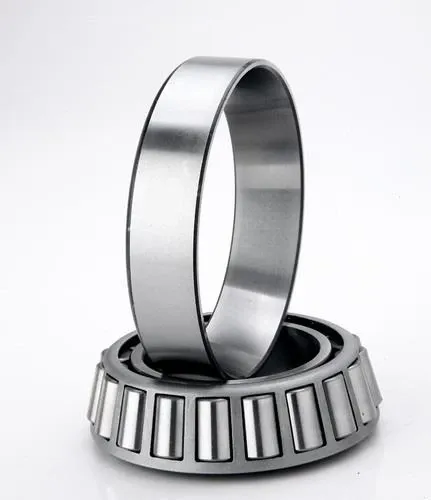
Quality Control
Quality control is an integral part of our production process. We have a comprehensive quality control system in place to ensure that all our gravity taper rollers meet the highest standards of corrosion resistance. Our quality control team conducts various tests on the rollers, including salt spray tests, to evaluate their corrosion resistance. Only rollers that pass these tests are released for sale.
Related Products and Their Corrosion Resistance
In addition to gravity taper rollers, we also offer other types of rollers, such as Spherical Roller. Spherical rollers are designed to accommodate misalignment and heavy loads. Similar to gravity taper rollers, the corrosion resistance of spherical rollers depends on the material and surface treatment. We use the same high - quality materials and advanced manufacturing processes for our spherical rollers to ensure their corrosion resistance.
Our Taper Roller Disign also focuses on optimizing the performance and corrosion resistance of the rollers. The design takes into account the environmental conditions in which the rollers will operate, allowing us to select the most appropriate materials and surface treatments.
Another product in our portfolio is the Interroll Tapered Roller. These rollers are known for their smooth operation and high load - carrying capacity. We ensure that these rollers have good corrosion resistance to meet the needs of different industrial applications.
Conclusion
Corrosion resistance is a critical property for gravity taper rollers. It ensures the longevity and performance of the rollers in various industrial applications. By carefully selecting materials, applying appropriate surface treatments, and considering the environmental conditions, we as a gravity taper roller supplier can provide high - quality products with excellent corrosion resistance.
If you are in need of gravity taper rollers or other types of rollers with high corrosion resistance, we are here to help. Our team of experts can provide you with professional advice and solutions tailored to your specific requirements. Contact us today to start a procurement discussion and find the best roller products for your application.
References
- ASM Handbook, Volume 13A: Corrosion: Fundamentals, Testing, and Protection. ASM International.
- Metals Handbook Desk Edition, 3rd Edition. ASM International.
- Corrosion Engineering, 5th Edition. Robert W. Revie.