
As a supplier of Din 5401 steel balls, I've witnessed firsthand the importance of understanding how these precision components perform under various environmental conditions. The corrosion rate of Din 5401 steel balls is a critical factor that can significantly impact their functionality and longevity in different applications. In this blog post, I'll delve into the corrosion rates of Din 5401 steel balls in different environments, providing insights based on scientific research and practical experience.
Understanding Din 5401 Steel Balls
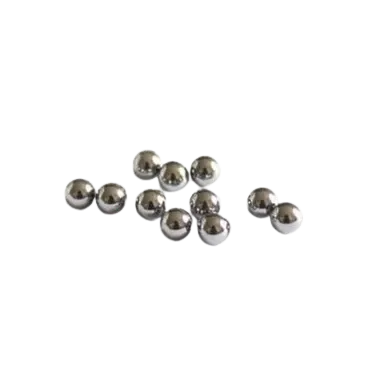
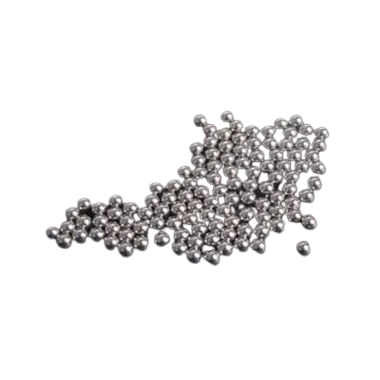
Before we explore the corrosion rates, let's briefly understand what Din 5401 steel balls are. These steel balls are manufactured according to the DIN 5401 standard, which specifies the requirements for precision steel balls used in bearings, valves, and other mechanical components. Din 5401 steel balls are known for their high precision, excellent surface finish, and consistent quality, making them suitable for a wide range of industrial applications.
Factors Affecting Corrosion Rate
The corrosion rate of Din 5401 steel balls is influenced by several factors, including the composition of the steel, the environmental conditions, and the presence of protective coatings. Here are some of the key factors to consider:
Steel Composition
The composition of the steel plays a crucial role in determining its corrosion resistance. Din 5401 steel balls are typically made from high-carbon chromium steel, which offers good hardness and wear resistance. However, this type of steel is also susceptible to corrosion, especially in the presence of moisture and oxygen.
Environmental Conditions
The environmental conditions in which the steel balls are used can have a significant impact on their corrosion rate. Factors such as temperature, humidity, pH level, and the presence of corrosive substances can all accelerate or inhibit the corrosion process. For example, steel balls exposed to a high-humidity environment or a corrosive chemical solution are more likely to corrode than those in a dry, clean environment.
Protective Coatings
Applying a protective coating to the steel balls can help improve their corrosion resistance. Common types of protective coatings include zinc plating, nickel plating, and epoxy coatings. These coatings act as a barrier between the steel surface and the environment, preventing moisture and oxygen from coming into contact with the steel and reducing the risk of corrosion.
Corrosion Rates in Different Environments
Now, let's take a closer look at the corrosion rates of Din 5401 steel balls in different environments:
Dry Environment
In a dry environment with low humidity and no exposure to corrosive substances, the corrosion rate of Din 5401 steel balls is relatively low. The steel balls may experience some surface oxidation over time, but this is usually a slow process that does not significantly affect their performance. However, it's still important to store the steel balls in a clean, dry place to prevent any potential corrosion.
Humid Environment
In a humid environment with high moisture content, the corrosion rate of Din 5401 steel balls increases significantly. The presence of moisture provides the necessary conditions for the formation of rust, which can quickly spread across the surface of the steel balls and cause pitting and corrosion. To prevent corrosion in a humid environment, it's recommended to store the steel balls in a sealed container with a desiccant to absorb moisture.
Corrosive Chemical Environment
In a corrosive chemical environment, such as a solution containing acids, alkalis, or salts, the corrosion rate of Din 5401 steel balls can be extremely high. The corrosive substances in the solution can react with the steel surface, causing rapid corrosion and degradation of the steel balls. In these environments, it's essential to use steel balls with a high level of corrosion resistance or apply a protective coating to prevent corrosion.
Marine Environment
The marine environment is one of the most challenging environments for steel balls due to the high salt content in the seawater. Saltwater is highly corrosive and can cause rapid corrosion of Din 5401 steel balls. In addition, the constant exposure to moisture, oxygen, and wave action can further accelerate the corrosion process. To ensure the long-term performance of steel balls in a marine environment, it's recommended to use stainless steel balls, such as 316 Stainless Steel Balls, which offer excellent corrosion resistance.
Measuring Corrosion Rate
To accurately assess the corrosion rate of Din 5401 steel balls, it's necessary to conduct corrosion tests under controlled conditions. There are several methods available for measuring corrosion rate, including weight loss measurement, electrochemical methods, and microscopic examination.
Weight Loss Measurement
Weight loss measurement is one of the most common methods for measuring the corrosion rate of steel balls. This method involves weighing the steel balls before and after exposure to the corrosive environment and calculating the weight loss. The weight loss is then used to determine the corrosion rate in terms of millimeters per year (mm/yr).
Electrochemical Methods
Electrochemical methods, such as potentiodynamic polarization and electrochemical impedance spectroscopy, can provide more detailed information about the corrosion process. These methods involve measuring the electrical properties of the steel surface and using them to calculate the corrosion rate and other corrosion parameters.
Microscopic Examination
Microscopic examination can be used to observe the surface morphology and structure of the steel balls before and after corrosion. This method can provide valuable information about the corrosion mechanism and the extent of corrosion damage.
Preventing Corrosion of Din 5401 Steel Balls
To prevent corrosion of Din 5401 steel balls, it's important to take appropriate measures to protect them from the environment. Here are some tips to help you prevent corrosion:
Store in a Dry Environment
Store the steel balls in a clean, dry place with low humidity to prevent moisture from coming into contact with the steel surface. Use a desiccant or a humidity control system to maintain a low humidity level in the storage area.
Apply a Protective Coating
Applying a protective coating to the steel balls can help improve their corrosion resistance. Choose a coating that is suitable for the specific environmental conditions and the application requirements.
Use Stainless Steel Balls
If the steel balls are going to be used in a highly corrosive environment, such as a marine environment or a chemical processing plant, consider using stainless steel balls, such as 316 Stainless Steel Balls. Stainless steel balls offer excellent corrosion resistance and can withstand harsh environmental conditions.
Regular Inspection and Maintenance
Regularly inspect the steel balls for signs of corrosion and damage. If any corrosion is detected, take immediate action to clean and protect the steel balls to prevent further corrosion.
Conclusion
The corrosion rate of Din 5401 steel balls is a critical factor that can significantly impact their performance and longevity in different applications. By understanding the factors that affect the corrosion rate and taking appropriate measures to prevent corrosion, you can ensure the long-term reliability and functionality of your steel balls.
As a supplier of Din 5401 steel balls, I'm committed to providing high-quality products and technical support to help you choose the right steel balls for your specific application. If you have any questions or need further information about Din 5401 steel balls or their corrosion resistance, please don't hesitate to contact me. We can discuss your requirements in detail and provide you with the best solutions for your needs.
References
- ASTM International. (2019). Standard Test Methods for Conducting Atmospheric Corrosion Tests on Metals. ASTM G50-19.
- ISO International Organization for Standardization. (2018). Corrosion of metals and alloys — Accelerated testing in artificial atmospheres — Part 1: Salt spray tests. ISO 9227:2017.
- Fontana, M. G. (1986). Corrosion Engineering (3rd ed.). McGraw-Hill.