
Hey there! As a metal ball supplier, I often get asked about what exactly goes into the chemical composition of a metal ball. Well, let's dive right into it.
Basics of Metal Ball Composition
First off, metal balls can be made from a variety of metals, each with its own unique chemical makeup. The most common types of metals used for making metal balls are steel, stainless steel, brass, and bronze.
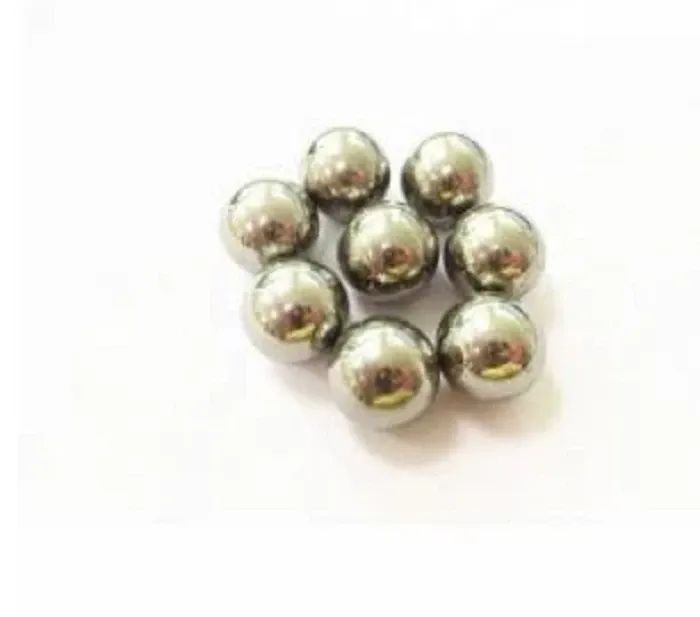
Steel Balls
Steel is one of the most popular materials for metal balls. It's mainly composed of iron (Fe) and carbon (C). The amount of carbon in steel can vary, and this variation has a huge impact on the properties of the steel ball.
- Low - Carbon Steel Balls: These balls typically contain less than 0.3% carbon. They are relatively soft and ductile, which means they can be easily formed into the desired ball shape. Low - carbon steel balls are often used in applications where high strength isn't a primary requirement, like in some simple machinery parts.
- Medium - Carbon Steel Balls: With carbon content ranging from 0.3% to 0.6%, medium - carbon steel balls offer a good balance between strength and ductility. They are stronger than low - carbon steel balls and are commonly used in more demanding applications, such as in automotive components.
- High - Carbon Steel Balls: Containing more than 0.6% carbon, high - carbon steel balls are extremely hard and strong. They are heat - treatable, which allows them to achieve even higher levels of hardness. High - carbon steel balls are used in applications that require high wear resistance, like in ball bearings.
Now, if you're interested in specific types of steel balls, we have Din 5401 Steel Ball that meet certain industry standards. These balls are made with precise chemical compositions to ensure their performance in various applications.
Stainless Steel Balls
Stainless steel balls are a bit different from regular steel balls. In addition to iron and carbon, they contain chromium (Cr). Chromium is what gives stainless steel its corrosion - resistant properties. A typical stainless steel ball might contain around 10.5% to 30% chromium.
Some stainless steel balls also contain nickel (Ni), which further enhances their corrosion resistance and improves their toughness. For example, 304 stainless steel balls, which are very common, usually have about 18% chromium and 8% nickel. If you're looking for a high - quality stainless steel ball, our Chorme Steel Ball might be just what you need. These balls are made with the right chemical composition to ensure long - lasting performance in corrosive environments.
Brass Balls
Brass is an alloy of copper (Cu) and zinc (Zn). The proportion of copper to zinc can vary, which results in different types of brass with different properties. For example, a common type of brass used for making balls might have around 60% copper and 40% zinc.
Brass balls are known for their good machinability, corrosion resistance, and aesthetic appeal. They are often used in decorative applications, plumbing fixtures, and some electrical components.
Bronze Balls
Bronze is an alloy that is primarily made up of copper and tin (Sn). However, it can also contain other elements like aluminum, manganese, or silicon. Bronze balls are known for their high strength, wear resistance, and good corrosion resistance in certain environments. They are commonly used in applications such as marine equipment, bearings, and bushings.
Factors Affecting Composition
The chemical composition of a metal ball isn't randomly chosen. There are several factors that influence what goes into making a particular metal ball.
Application Requirements
The intended use of the metal ball is a major factor. For example, if the ball is going to be used in a high - temperature environment, the metal needs to have good heat resistance. This might mean using a metal alloy with elements like molybdenum (Mo) or tungsten (W), which can increase the heat - resistant properties of the metal.
If the ball is going to be used in a corrosive environment, like in a chemical processing plant, a corrosion - resistant metal like stainless steel or a special bronze alloy would be a better choice.
Manufacturing Process
The way the metal ball is manufactured also affects its composition. Some manufacturing processes, like casting, might require a certain fluidity of the molten metal. This can influence the choice of alloying elements. For example, adding a small amount of silicon to a bronze alloy can improve its fluidity during casting.
Quality Control of Chemical Composition
As a metal ball supplier, we take quality control very seriously. We use advanced testing methods to ensure that the chemical composition of our metal balls meets the required standards.
We use techniques like spectroscopy to analyze the elements present in the metal. This allows us to accurately determine the percentage of each element in the metal ball. By doing so, we can guarantee that our customers are getting high - quality metal balls with the right chemical composition for their applications.
We also have Weldable Steel Balls that are carefully manufactured with the appropriate chemical composition to ensure good weldability. These balls are great for applications where welding is required.
Conclusion
So, there you have it! The chemical composition of a metal ball is a complex but important aspect that determines its properties and performance. Whether you need a hard - wearing steel ball for a ball bearing, a corrosion - resistant stainless steel ball for a marine application, or a decorative brass ball for an interior design project, we've got you covered.
If you're interested in purchasing metal balls for your business, don't hesitate to reach out. We're here to help you find the perfect metal balls with the right chemical composition for your specific needs.
References
- "Metals Handbook: Properties and Selection: Irons, Steels, and High - Performance Alloys" by ASM International
- "The Science and Engineering of Materials" by Donald R. Askeland and Pradeep P. Phule