
Hey there! As a supplier of precision steel balls, I've been in the business long enough to know that there's a lot more to these tiny spheres than meets the eye. One of the key aspects that often gets overlooked but is super important is the brittleness of precision steel balls. So, let's dive right in and explore what this brittleness is all about.
First off, what exactly is brittleness? In simple terms, brittleness is a material's tendency to break or shatter when it's subjected to stress, rather than deforming plastically. For precision steel balls, this can be a real game - changer, as they're used in a wide range of applications where reliability is crucial.
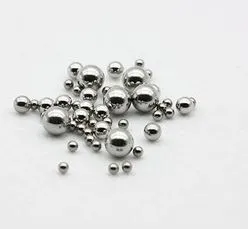
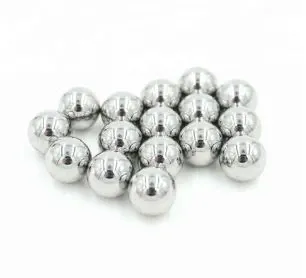
When we talk about precision steel balls, we're dealing with products like Inch Steel Ball, Stainless Steel Ball, and Weldable Steel Balls. Each type has its own unique properties, and brittleness plays a different role in each.
Let's start with inch steel balls. These are commonly used in machinery and equipment where standard sizing is essential. The brittleness of inch steel balls can have a significant impact on their performance. If a ball is too brittle, it might crack or break under normal operating conditions. This can lead to equipment failure, increased maintenance costs, and even safety hazards. On the other hand, if the ball is too ductile (the opposite of brittle), it might deform over time, losing its precision and affecting the overall performance of the machinery.
Stainless steel balls, as the name suggests, are made from stainless steel. They're known for their corrosion - resistance, which makes them ideal for applications in harsh environments. However, the brittleness of stainless steel balls can vary depending on the specific grade of stainless steel used. Some grades are more prone to brittleness due to factors like the presence of certain alloying elements or the heat - treatment process. For example, if a stainless steel ball is exposed to high temperatures during manufacturing or use, it might become more brittle. This is called thermal brittleness, and it can be a real problem in applications where the balls are subjected to temperature fluctuations.
Weldable steel balls are designed to be welded into place, which requires a certain level of toughness. Brittleness can be a major issue here because a brittle ball might crack during the welding process. This not only ruins the ball but can also compromise the integrity of the entire welded structure. To ensure that weldable steel balls have the right balance of properties, manufacturers need to carefully control the composition and processing of the steel.
Now, what causes the brittleness of precision steel balls? There are several factors at play. One of the main factors is the chemical composition of the steel. Certain elements, like carbon, can increase the hardness of the steel but also make it more brittle. Other elements, such as nickel and manganese, can improve the toughness of the steel and reduce its brittleness.
The heat - treatment process also has a huge impact on brittleness. Heat treatment is used to modify the microstructure of the steel, which in turn affects its mechanical properties. For example, quenching and tempering are common heat - treatment processes. If the quenching is too rapid, it can create internal stresses in the steel, making it more brittle. On the other hand, proper tempering can relieve these stresses and improve the toughness of the steel.
Another factor is the manufacturing process itself. Forging, machining, and grinding can all introduce surface defects or residual stresses into the steel balls, which can increase their brittleness. For instance, if the grinding process is too aggressive, it can create micro - cracks on the surface of the ball, which can act as initiation points for further cracking under stress.
So, how can we measure the brittleness of precision steel balls? There are several methods available. One common method is the Charpy impact test. In this test, a notched specimen is struck with a pendulum, and the energy absorbed during the fracture is measured. A higher energy absorption indicates a more ductile material, while a lower energy absorption suggests brittleness.
Another method is the Vickers hardness test. Hardness is related to brittleness, and a very high hardness value can sometimes indicate a brittle material. However, it's important to note that hardness is just one factor, and other properties like toughness also need to be considered.
As a supplier of precision steel balls, we take the issue of brittleness very seriously. We work closely with our manufacturers to ensure that the steel balls we supply have the right balance of properties. We conduct strict quality control checks at every stage of the manufacturing process to detect and eliminate any potential issues related to brittleness.
We also offer technical support to our customers. If you're unsure about which type of precision steel ball is right for your application, or if you're experiencing problems with brittleness, our team of experts is here to help. We can provide you with detailed information about the properties of our products and offer advice on how to use them effectively.
In conclusion, the brittleness of precision steel balls is a complex but important issue. It can have a significant impact on the performance and reliability of the equipment in which these balls are used. Whether you're in the market for Inch Steel Ball, Stainless Steel Ball, or Weldable Steel Balls, it's crucial to understand the role of brittleness and how it can affect your application.
If you're interested in purchasing precision steel balls, we'd love to hear from you. Contact us to discuss your specific requirements and start a procurement discussion. We're confident that we can provide you with high - quality products that meet your needs and exceed your expectations.
References:
- "Metallurgy for Engineers" by George E. Dieter
- "Materials Science and Engineering: An Introduction" by William D. Callister Jr. and David G. Rethwisch