
As a supplier of Din 5401 steel balls, I am often asked about the acoustic performance of these steel balls in a system. In this blog post, I will delve into the details of what affects the acoustic performance of Din 5401 steel balls and how it impacts different systems.
Understanding Din 5401 Steel Balls
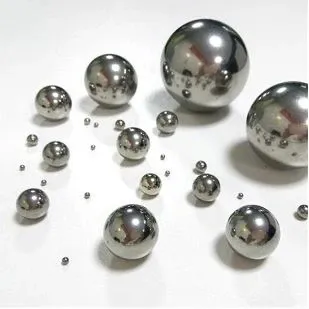
Before we discuss the acoustic performance, let's briefly understand what Din 5401 steel balls are. Din 5401 is a standard that specifies the requirements for steel balls used in various applications, such as bearings, valves, and precision instruments. These steel balls are known for their high precision, durability, and excellent mechanical properties. They are typically made from high - quality steel alloys and undergo a series of manufacturing processes, including forging, heat treatment, and grinding, to achieve the desired size, roundness, and surface finish.
Factors Affecting Acoustic Performance
Material Properties
The material of the steel balls plays a crucial role in their acoustic performance. The density, elasticity, and damping characteristics of the steel alloy used in Din 5401 steel balls can significantly affect how sound waves interact with them. For example, a steel with a higher density may absorb and transmit sound differently compared to a steel with a lower density. The elasticity of the steel determines how it responds to mechanical vibrations, which are closely related to sound generation. A more elastic steel may produce less damping of vibrations, leading to different acoustic signatures.
Surface Finish
The surface finish of Din 5401 steel balls is another important factor. A smooth surface finish reduces the friction and impact noise when the balls are in contact with other components in a system. Rough surfaces can cause irregular vibrations and generate additional noise. During the manufacturing process, precise grinding and polishing operations are carried out to achieve a high - quality surface finish. This not only improves the acoustic performance but also enhances the overall performance and lifespan of the steel balls in the system.
Size and Shape
The size and shape of the steel balls also influence their acoustic performance. Larger steel balls may have different resonance frequencies compared to smaller ones. In a system where multiple steel balls are used, the size uniformity is crucial. Any deviation in size can lead to uneven loading and contact forces, which can result in abnormal vibrations and increased noise. The roundness of the steel balls is equally important. Non - round balls can cause eccentric movements, generating unwanted noise and reducing the stability of the system.
Acoustic Performance in Different Systems
Bearing Systems
In bearing systems, the acoustic performance of Din 5401 steel balls is of great importance. Bearings are used to support rotating shafts and reduce friction. The noise generated by bearings can be a significant issue, especially in applications where quiet operation is required, such as in precision machinery and automotive engines. The smooth rolling of steel balls in the bearing raceways is essential for low - noise operation. If the steel balls have poor acoustic performance, it can lead to increased bearing noise, which may indicate premature wear or damage to the bearing components.
For example, in a high - speed bearing system, the steel balls are subjected to high centrifugal forces and rapid changes in contact forces. The acoustic performance of the steel balls affects the level of noise generated during operation. A well - designed bearing system with high - quality Din 5401 steel balls can minimize the noise and ensure smooth and reliable operation.
Valve Systems
In valve systems, Din 5401 steel balls are often used as check valves or in ball valve assemblies. The acoustic performance of the steel balls in these applications can impact the overall efficiency and reliability of the valve. When the valve opens and closes, the steel ball moves and makes contact with the valve seat. A steel ball with good acoustic performance will produce less noise during these operations. Excessive noise in a valve system can be a sign of improper seating, wear, or other malfunctions.
For instance, in a hydraulic valve system, the smooth movement of the steel ball is crucial for precise flow control. Any noise generated by the steel ball can indicate problems such as leakage or insufficient sealing, which can affect the performance of the entire hydraulic system.
Comparing with Other Types of Steel Balls
Weldable Steel Balls
Weldable steel balls are designed to be welded to other components. Their acoustic performance may be different from Din 5401 steel balls. The welding process can introduce changes in the material properties and surface characteristics of the steel balls, which can affect how they interact with sound waves. In some cases, the welded joints may cause additional vibrations and noise. However, in applications where welding is necessary, the trade - off between the acoustic performance and the functionality of the welded steel balls needs to be considered.
Solid Steel Balls
Solid steel balls are often used in heavy - duty applications. Compared to Din 5401 steel balls, solid steel balls may have different acoustic signatures due to their larger mass and different material compositions. In systems where high - load capacity is required, solid steel balls are preferred. However, their acoustic performance may need to be optimized to meet the noise requirements of the specific application.
Metal Ball
The term "metal ball" is a more general term that can refer to balls made from various metals. When comparing with Din 5401 steel balls, the acoustic performance can vary significantly depending on the type of metal used. For example, non - ferrous metal balls may have different density, elasticity, and damping properties compared to steel balls, which will result in different acoustic behaviors.
How to Optimize the Acoustic Performance
To optimize the acoustic performance of Din 5401 steel balls in a system, several measures can be taken. Firstly, strict quality control during the manufacturing process is essential. This includes ensuring the correct material composition, precise size and shape, and high - quality surface finish. Secondly, proper lubrication in the system can reduce friction and noise. Lubricants can also help to dampen vibrations and improve the overall acoustic performance.
In addition, the design of the system itself can have a significant impact on the acoustic performance of the steel balls. For example, the layout of the bearing or valve components, the stiffness of the housing, and the alignment of the shafts can all affect the way the steel balls interact with other parts of the system.
Conclusion
The acoustic performance of Din 5401 steel balls in a system is a complex topic that is influenced by multiple factors, including material properties, surface finish, size, and shape. Understanding these factors and their effects on acoustic performance is crucial for ensuring the smooth and quiet operation of various systems, such as bearing and valve systems. As a supplier of Din 5401 steel balls, we are committed to providing high - quality products that meet the strictest acoustic requirements.
If you are interested in purchasing Din 5401 steel balls or have any questions about their acoustic performance in your specific system, please feel free to contact us for further discussion and negotiation. We look forward to working with you to find the best solutions for your applications.
References
- "Bearing Noise and Vibration Handbook", SKF Group
- "Valve Technology and Applications", Crane Co.
- "Steel Ball Manufacturing and Quality Control", Precision Ball Association