
Vibration characteristics of ball bearing balls are a crucial aspect to understand for anyone involved in the field of mechanical engineering, especially when it comes to the design, operation, and maintenance of rotating machinery. As a supplier of Ball Bearing Balls, I have witnessed firsthand the impact that these characteristics can have on the performance and longevity of various mechanical systems. In this blog, we will delve into the key vibration characteristics of ball bearing balls, their causes, effects, and how they relate to our product offerings.
Basic Concepts of Vibration in Ball Bearing Balls
Vibration in ball bearing balls occurs due to a variety of factors. At its most fundamental level, vibration is the mechanical oscillation about an equilibrium position. In ball bearings, this oscillation can be caused by both internal and external factors. Internal factors include manufacturing imperfections such as variations in ball diameter, roundness errors, and surface roughness. External factors can range from misalignment of the bearing within the housing, uneven loading, and the presence of contaminants in the lubricant.
The vibration of ball bearing balls can be classified into different types, namely radial vibration, axial vibration, and angular vibration. Radial vibration occurs in the direction perpendicular to the axis of rotation of the bearing. This type of vibration is often associated with uneven loading on the balls or radial clearance issues. Axial vibration, on the other hand, takes place along the axis of rotation. It can be caused by factors such as thrust loads, misalignment, or the presence of axial play in the bearing. Angular vibration involves the rotation of the bearing about an axis other than its normal axis of rotation and is typically a result of misalignment or external forces acting on the bearing at an angle.
Causes of Vibration in Ball Bearing Balls
Manufacturing Defects
Manufacturing defects are one of the primary causes of vibration in ball bearing balls. Even the slightest deviation from the ideal specifications can lead to significant vibration issues. For example, if the balls have a non - uniform diameter, it can cause uneven loading as the bearing rotates. This uneven loading leads to fluctuations in the contact forces between the balls and the raceways, resulting in vibration. Similarly, poor surface finish or roundness errors can cause the balls to roll in an irregular manner, generating vibration.
Lubrication Issues
Lubrication plays a vital role in reducing friction and wear in ball bearings. However, improper lubrication can also be a source of vibration. Insufficient lubrication can lead to increased friction between the balls and the raceways, causing uneven movement and vibration. On the other hand, over - lubrication can result in the formation of air bubbles or excessive drag, which can also induce vibration. Contaminants in the lubricant, such as dirt, dust, or metal particles, can act as abrasives, causing damage to the ball surfaces and increasing vibration.
Misalignment
Misalignment of the bearing within the housing or between the shaft and the bearing can cause significant vibration. When the bearing is misaligned, the balls are subjected to uneven forces, which can lead to abnormal movement and vibration. Misalignment can occur during installation or due to external factors such as thermal expansion, shaft deflection, or improper mounting.
External Loads
External loads acting on the bearing can also cause vibration. These loads can be static or dynamic. Static loads, such as the weight of the rotating machinery, can cause the bearing to deform slightly, leading to changes in the contact forces between the balls and the raceways. Dynamic loads, such as those caused by unbalanced rotating parts or shock loads, can induce high - frequency vibrations that can damage the bearing over time.
Effects of Vibration on Ball Bearing Balls
Wear and Tear
Excessive vibration can accelerate the wear and tear of ball bearing balls. The constant impact and friction caused by vibration can lead to the removal of material from the ball surfaces, reducing their diameter and changing their shape. This can result in increased clearance within the bearing, further exacerbating the vibration problem. Eventually, the wear can become so severe that the bearing fails prematurely.
Noise Generation
Vibration in ball bearing balls is often accompanied by noise. The high - frequency vibrations can produce a characteristic humming or rattling sound, which can be a nuisance in quiet environments. In addition, excessive noise can also be an indication of a serious problem with the bearing, such as misalignment or a manufacturing defect.
Reduced Performance
Vibration can have a negative impact on the performance of the entire mechanical system. It can cause the rotating parts to deviate from their intended paths, leading to reduced efficiency and accuracy. In precision machinery, such as machine tools or robotics, even a small amount of vibration can result in significant errors in the final product.
Our Product Offerings and Vibration Considerations
As a supplier of Ball Bearing Balls, we are committed to providing high - quality products that minimize vibration issues. Our manufacturing processes are designed to ensure the highest level of precision and quality control. We use advanced grinding and polishing techniques to achieve the tightest tolerances in ball diameter, roundness, and surface finish. This helps to reduce the likelihood of vibration caused by manufacturing defects.
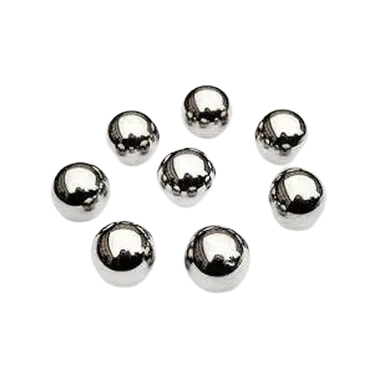
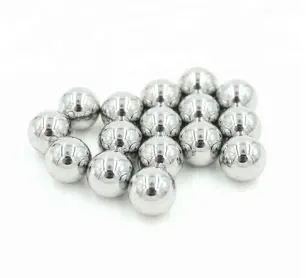
We offer a wide range of ball bearing balls, including Stainless Steel Ball and Inch Steel Ball. Our stainless steel balls are corrosion - resistant, making them suitable for applications in harsh environments. The inch steel balls are available in a variety of sizes and grades, providing flexibility for different types of mechanical systems.
In addition to our high - quality products, we also provide technical support to our customers. We can assist in the selection of the right ball bearing balls for specific applications, taking into account factors such as load, speed, and operating environment. We can also offer advice on proper installation, lubrication, and maintenance to minimize vibration and ensure the long - term performance of the bearings.
Conclusion
Understanding the vibration characteristics of ball bearing balls is essential for ensuring the reliable operation of mechanical systems. By identifying the causes and effects of vibration, we can take proactive measures to minimize its impact. As a supplier of ball bearing balls, we are dedicated to providing products and services that meet the highest standards of quality and performance. Whether you are in the automotive, aerospace, or industrial manufacturing sector, our Ball Bearing Balls can help you achieve smooth and efficient operation of your machinery.
If you are interested in learning more about our ball bearing balls or have specific requirements for your application, we encourage you to contact us for a detailed discussion. Our team of experts is ready to assist you in finding the best solutions for your needs.
References
- Harris, T. A., & Kotzalas, M. N. (2007). Rolling Bearing Analysis. John Wiley & Sons.
- Gupta, P. K. (2002). Design of Machine Elements. Wiley India.
- Zorzi, M., & Pennacchi, P. (2010). Vibration - based condition monitoring of rolling element bearings: A review. Mechanical Systems and Signal Processing, 24(8), 2593 - 2637.