
Hey there! As a supplier of cylindrical rollers, I'm super stoked to chat about their tribological properties. You might be wondering, what on earth are tribological properties? Well, in simple terms, it's all about how these rollers interact with other surfaces in terms of friction, wear, and lubrication.
Let's start with friction. Friction is that force that resists the relative motion between two surfaces in contact. When it comes to cylindrical rollers, the friction they experience can have a huge impact on their performance. One of the key factors affecting friction in cylindrical rollers is the surface finish. A smoother surface finish generally means less friction. We work hard to ensure that our cylindrical rollers have a high - quality surface finish, which helps to reduce the frictional forces acting on them.
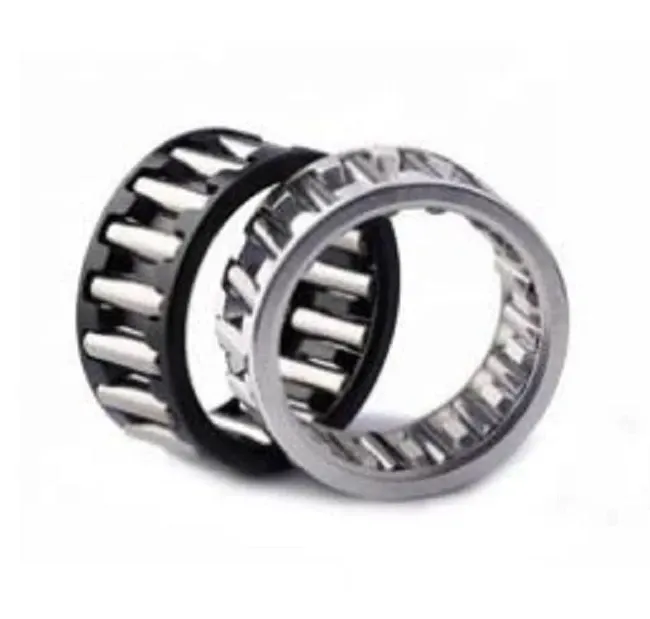
Another important aspect is the contact area. Cylindrical rollers have a line contact with the raceways (the surfaces they roll on). Compared to point contact (like in some Needle Roller), line contact distributes the load more evenly. This even load distribution can lead to lower contact stresses and, in turn, less friction. However, it also means that the wear characteristics can be a bit different.
Wear is another crucial tribological property. There are different types of wear that cylindrical rollers can experience. Abrasive wear occurs when hard particles are present between the roller and the raceway. These particles can scratch and remove material from the surfaces. To combat abrasive wear, we use high - quality materials for our cylindrical rollers. For example, some of our rollers are made from high - carbon chromium bearing steel, which has excellent hardness and wear resistance.
Adhesive wear is another type that can happen. This occurs when the surfaces of the roller and the raceway stick together and then break apart, causing material transfer. To prevent adhesive wear, proper lubrication is essential. Lubrication forms a thin film between the roller and the raceway, separating the two surfaces and reducing the chances of direct contact and adhesion.
Now, let's talk about lubrication. Lubrication is like the magic potion for cylindrical rollers. It has multiple functions. First of all, it reduces friction, as I mentioned earlier. By creating a lubricating film, it allows the roller to roll smoothly over the raceway. Secondly, it helps to dissipate heat. During operation, there is always some heat generated due to friction. The lubricant can carry away this heat, preventing overheating, which can damage the rollers and the raceways.
There are different types of lubricants that can be used for cylindrical rollers. Mineral oils are a common choice. They are relatively inexpensive and have good lubricating properties. Synthetic lubricants, on the other hand, offer better performance in extreme conditions. For example, they can maintain their viscosity at high temperatures and low temperatures, which is great for applications where the operating conditions are variable.
The way the lubricant is applied also matters. In some applications, we use oil bath lubrication, where the rollers are partially submerged in the lubricant. This ensures continuous lubrication. In other cases, grease lubrication is used. Grease is a semi - solid lubricant that can stay in place better than oil, which is useful in applications where oil leakage is a concern.
When it comes to the design of cylindrical rollers, their geometry also plays a role in their tribological properties. The diameter and length of the roller can affect the load - carrying capacity and the distribution of stresses. A longer roller can carry more load, but it also has a larger contact area, which might require more precise alignment to ensure even load distribution.
The crown of the roller is another important design feature. A crowned roller has a slightly rounded shape at the ends. This crown helps to reduce edge stresses. In a non - crowned roller, the edges can experience higher stresses, which can lead to premature wear and failure. By using crowned rollers, we can improve the overall tribological performance and the service life of the rollers.
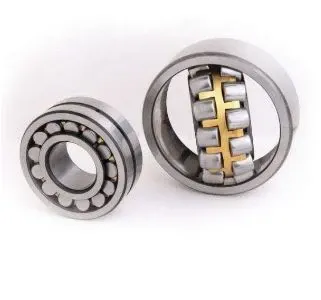
Compared to other types of rollers like Taper Rollers and Spherical Roller, cylindrical rollers have their own unique advantages. Taper rollers are designed to handle both radial and axial loads, while cylindrical rollers are mainly used for radial loads. Spherical rollers can accommodate misalignment better, but cylindrical rollers offer high radial load - carrying capacity with relatively simple design and manufacturing.
In many industrial applications, cylindrical rollers are the go - to choice. For example, in electric motors, they help to support the rotating shafts and ensure smooth operation. In machine tools, they are used in spindle bearings to provide high - precision rotation. The tribological properties of our cylindrical rollers make them suitable for these demanding applications.
If you're in the market for high - quality cylindrical rollers, you've come to the right place. Our team of experts has years of experience in manufacturing and understanding the tribological properties of these rollers. We can provide you with the right rollers for your specific application, whether it's a high - speed, high - load, or a precision - oriented application.
So, if you're interested in learning more about our cylindrical rollers or want to start a purchase negotiation, don't hesitate to reach out. We're here to help you get the best performance from your equipment with our top - notch cylindrical rollers.
References:
- "Bearing Tribology" by Howard S. Cheng
- "Rolling Bearing Analysis" by Tedric A. Harris