
Hey there! As a supplier of Cold Heading Dies, I've seen a lot of these tools go through their life cycles. Cold heading dies are super important in the manufacturing world, used to shape metal parts at room temperature. But like any tool, they wear out over time. So, what are the signs that cold heading dies need to be replaced? Let's dive in.
1. Surface Wear
One of the most obvious signs is surface wear. When you're using cold heading dies, they're constantly in contact with the metal being shaped. Over time, this friction causes the surface of the die to wear down. You might start to notice rough patches or unevenness on the die's surface. This wear can affect the quality of the parts being produced. For example, if the die is supposed to create a smooth surface on a metal part, but it's worn, the part might come out with a rough finish.
If you see visible grooves or scratches on the die, it's a clear indication that the surface has been compromised. And this isn't just a cosmetic issue. These imperfections can lead to parts that don't meet the required specifications. You can check for surface wear by visually inspecting the die regularly. Use a magnifying glass if needed to spot any tiny scratches or rough areas.
2. Cracks
Cracks are a major red flag. Cold heading dies are under a lot of pressure during the forming process. Sometimes, this pressure can cause cracks to develop. These cracks can start small, but if left untreated, they can grow and eventually cause the die to break completely.
Cracks can appear on the surface of the die or even inside it. You might not always be able to see internal cracks just by looking at the die. That's where non - destructive testing methods come in handy. For example, ultrasonic testing can detect internal cracks that are invisible to the naked eye.
If you find a crack in your cold heading die, it's usually a sign that it's time for a replacement. Continuing to use a cracked die can lead to inconsistent part quality and even pose a safety risk.
3. Dimensional Changes
Cold heading dies are designed to create parts with specific dimensions. Over time, due to wear and tear, the dimensions of the die can change. This can result in parts that are either too big or too small.
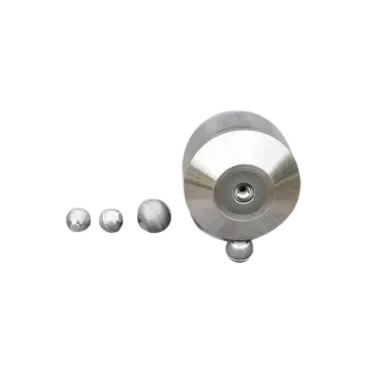
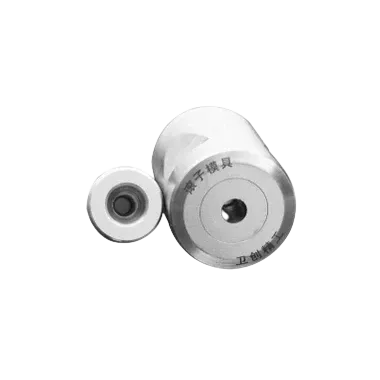
You can measure the dimensions of the die using precision measuring tools like calipers or micrometers. Compare the current measurements with the original specifications. If there's a significant difference, it means the die is no longer producing parts within the required tolerance.
For instance, if a die is supposed to create a part with a diameter of 10mm, but after some use, the parts are coming out with a diameter of 10.2mm, that's a problem. Dimensional changes can also affect the shape of the parts. If the die is meant to create a perfectly round part, but it starts producing oval - shaped parts, it's a sign that the die needs to be replaced.
4. Reduced Part Quality
The quality of the parts being produced is a direct reflection of the condition of the cold heading die. If you notice that the parts are starting to have defects like burrs, flash, or inconsistent shapes, it could be because the die is worn out.
Burrs are small, unwanted pieces of metal that stick out from the edges of the part. Flash is excess material that forms around the edges of the part during the forming process. These defects can make the parts unusable or require additional finishing steps, which adds to the production cost.
Inconsistent shapes mean that the parts don't have the same dimensions or form as they should. This can be a major issue, especially in industries where precision is crucial, like aerospace or automotive manufacturing. If you see a decline in part quality, it's a good idea to check the condition of the cold heading die.
5. Increased Scrap Rate
An increase in the scrap rate is another sign that something is wrong with the cold heading die. The scrap rate is the percentage of parts that are rejected due to defects. If you notice that more and more parts are being scrapped during the production process, it could be because the die is no longer functioning properly.
A higher scrap rate means higher production costs. You're spending time and resources on making parts that end up being thrown away. So, if you see a sudden spike in the scrap rate, take a closer look at the cold heading die. It might be time to replace it.
6. Higher Pressures Required
During the cold heading process, the press applies a certain amount of pressure to shape the metal. If you find that you need to increase the pressure on the press to get the same results, it could be a sign that the die is worn.
As the die wears, it becomes less efficient at shaping the metal. So, the press has to work harder to achieve the desired shape. This not only puts more stress on the press but also increases the risk of damage to the die and the parts being produced.
If you notice a significant increase in the pressure required, it's a good indication that the cold heading die is reaching the end of its useful life.
Our Cold Heading Die Products
At our company, we offer a wide range of high - quality cold heading dies. Check out our Carbide Cold Heading Dies. These dies are made from carbide, which is a very hard and wear - resistant material. They're designed to last longer and produce high - quality parts.
We also have Carbidecut Off Die COD and Carbide Cut Off Blade COB. These tools are essential for the cold heading process and are built to withstand the high pressures and stresses involved.
If you're experiencing any of the signs mentioned above with your current cold heading dies, it might be time to consider replacing them with our products. We're committed to providing the best tools to our customers and ensuring that their production processes run smoothly.
If you're interested in learning more about our cold heading dies or have any questions, feel free to reach out. We're here to help you find the right solution for your manufacturing needs. Whether you're a small - scale manufacturer or a large industrial company, we have the products and expertise to support you. Contact us today to start a discussion about your cold heading die requirements.
References
- "Metal Forming Handbook" - A comprehensive guide on metal forming processes, including cold heading.
- Industry reports on cold heading die performance and replacement indicators.
- Technical papers from leading manufacturers and researchers in the field of cold heading.