
As a seasoned Cross Roller supplier, I've witnessed firsthand the critical role these components play in various mechanical systems. Cross rollers, known for their high load - carrying capacity and precision, are widely used in industries such as robotics, machine tools, and aerospace. However, like all mechanical parts, cross rollers are subject to wear over time. Understanding the signs of cross roller wear is essential for maintaining the efficiency and longevity of the equipment they are installed in.
Surface Abrasion
One of the most obvious signs of cross roller wear is surface abrasion. When a cross roller is in operation, it experiences continuous contact with the raceways. Over time, this contact can cause the surface of the roller to become rough and uneven. This abrasion can occur due to various factors, such as the presence of contaminants in the lubricant, high - speed operation, or excessive loads.
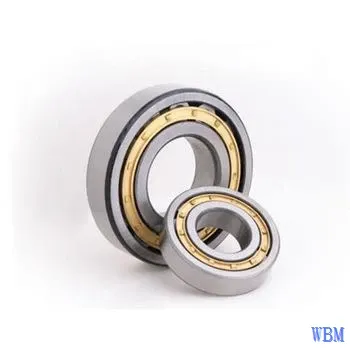
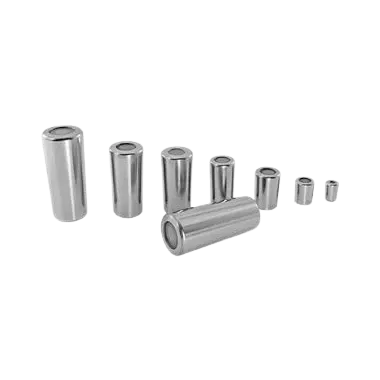
If you notice that the surface of the cross roller has a dull, scratched appearance, it may be a sign of significant wear. Surface abrasion can lead to reduced performance as it increases friction between the roller and the raceway. This, in turn, can cause the system to consume more energy and may even result in overheating. To further illustrate, consider a Cylindrical Roller in a similar mechanical setup. Cylindrical rollers also face similar wear issues, and surface abrasion can significantly impact their function.
Reduced Diameter
Another indication of cross roller wear is a reduction in its diameter. Wear on the cross roller can cause material to be gradually removed from its surface, leading to a decrease in its overall size. A decreased diameter can cause problems in the mechanical system, such as backlash. Backlash occurs when there is too much clearance between the components, which can result in imprecise movement and reduced accuracy.
Measuring the diameter of the cross roller regularly is a good practice to detect wear early. If the measured diameter is significantly different from the original specification, it is a clear sign that the cross roller may need to be replaced. Similar to cross rollers, Cylindrical Roller also have a specific diameter tolerance. A deviation from this tolerance can indicate wear and affect the performance of the system in which they are used.
Flaking and Spalling
Flaking and spalling are more severe forms of cross roller wear. Flaking refers to the small pieces of material that break off from the surface of the roller, while spalling involves larger areas of material loss. These conditions typically occur due to repeated stress cycles, improper lubrication, or material defects.
When flaking or spalling is present, it can cause uneven rolling of the cross roller. This uneven rolling can lead to vibrations in the mechanical system, which can further damage other components. The presence of flaking and spalling is a critical sign that the cross roller should be replaced immediately to prevent further damage to the equipment. In the case of Gravity Taper Roller, similar flaking and spalling issues can also compromise its functionality and the overall performance of the system.
Noise and Vibration
Increased noise and vibration during the operation of the mechanical system are often tell - tale signs of cross roller wear. A well - maintained cross roller should operate smoothly and quietly. However, as wear progresses, the smooth rolling action can be disrupted. The uneven surface of a worn cross roller can cause it to vibrate irregularly as it moves along the raceway.
This vibration can be transmitted to other parts of the system, resulting in increased noise levels. If you start to notice abnormal noises, such as grinding, clicking, or rattling, or if you feel excessive vibrations when the equipment is in operation, it is highly likely that the cross rollers are experiencing wear. These symptoms should not be ignored, as they can be precursors to more serious mechanical failures.
Improper Lubrication Residue
Proper lubrication is crucial for the smooth operation of cross rollers. When cross rollers are worn, the lubricant may no longer distribute evenly across the roller surface. This can lead to the formation of improper lubrication residues. For example, you may notice a build - up of dark, sticky deposits on the surface of the cross roller or in the surrounding areas.
These residues can be a mixture of worn - off material from the roller, contaminants, and degraded lubricant. The presence of such residues can indicate that the cross roller is not being lubricated effectively, which is often a consequence of wear. It is important to regularly inspect the lubrication condition of the cross rollers and address any issues promptly.
Increased Friction
Worn cross rollers typically exhibit increased friction. As the surface of the roller becomes rougher due to wear, the resistance to motion between the roller and the raceway increases. This increased friction can cause several problems. Firstly, it requires more energy to operate the mechanical system, leading to higher power consumption.
Secondly, the extra heat generated by the increased friction can damage the lubricant, reducing its effectiveness and further exacerbating the wear problem. You can measure the torque required to operate the system as an indirect way to detect increased friction. An increase in torque may suggest that the cross rollers are experiencing excessive wear.
Loss of Precision
Cross rollers are often used in applications where precision is crucial, such as in machine tools and robotics. As cross rollers wear, the precision of the system can be severely affected. The uneven rolling and increased backlash caused by wear can lead to inaccurate positioning and movement.
For example, in a robotic arm that relies on cross rollers for smooth and precise movement, worn cross rollers can cause the arm to deviate from its intended path. This loss of precision can result in defective products in manufacturing processes or inefficient operation in other applications.
In conclusion, being able to recognize the signs of cross roller wear is essential for ensuring the reliable operation of mechanical systems. As a Cross Roller supplier, I am committed to providing high - quality products and offering professional advice on maintenance and replacement. If you suspect that your cross rollers are experiencing wear, or if you are in the market for new cross rollers, I invite you to reach out for a detailed discussion. We can work together to find the best solutions for your specific needs.
References
- "Rolling Bearing Technology Handbook", published by a leading industry technology institution.
- Research papers on mechanical component wear and maintenance from well - known academic journals in the field of mechanical engineering.
- Internal technical documentation from our own manufacturing and quality control processes.